


Nestled in the heart of the Andes, Rainbow Mountain is a natural wonder. Known locally as Vinicunca, it captivates with its vibrant hues.
This geological marvel is a must-see for travelers visiting Peru. Its striking colors are a result of mineral deposits.
Tours from Cusco offer a gateway to this breathtaking landscape. They provide an opportunity to explore the region’s rich biodiversity.
The journey to Rainbow Mountain is more than just a trek. It’s an adventure through stunning Andean scenery.
Visitors can expect to encounter unique wildlife along the way. Llamas, alpacas, and vicuñas roam the high-altitude terrain.
The trek is challenging, reaching altitudes over 5,000 meters. Proper preparation and acclimatization are essential for a safe experience.
Sustainable tourism practices are crucial in preserving this natural beauty. Responsible travel helps protect the area’s ecological integrity.
Embarking on a Rainbow Mountain tour from Cusco is a journey of discovery. It offers insights into both nature and culture.
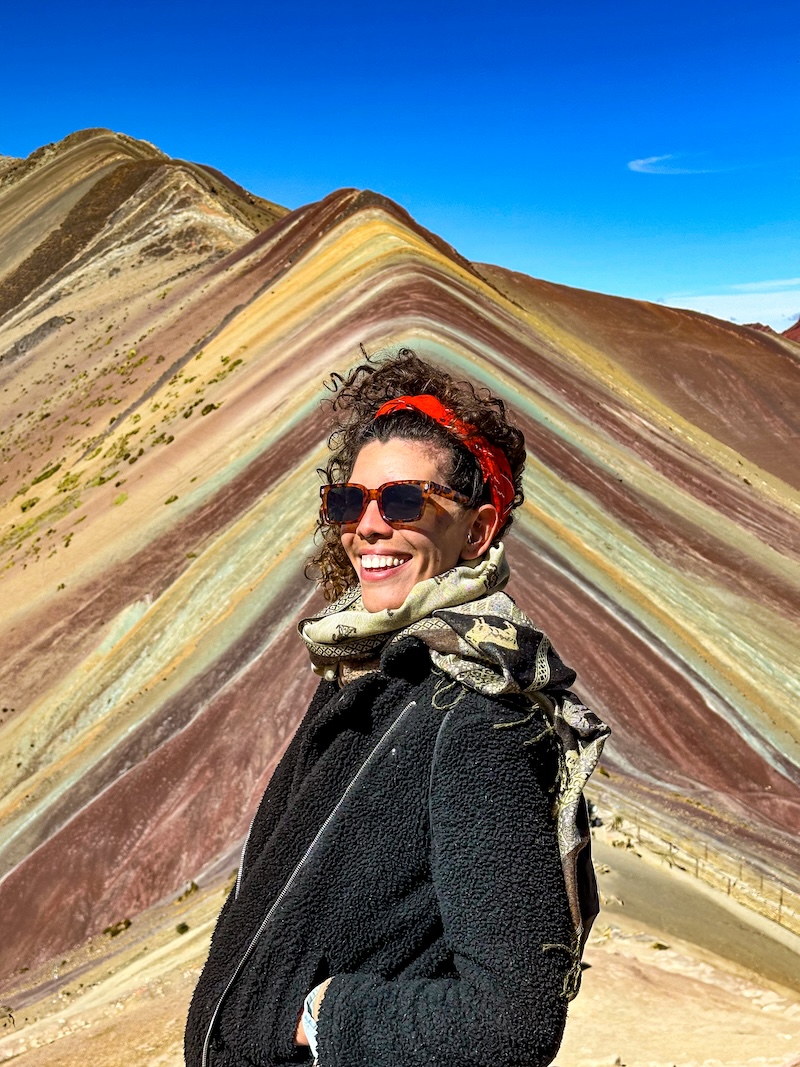
Rainbow Mountain, or Vinicunca, is a geological masterpiece in the Andes. Its name derives from its vivid, multi-hued appearance, which delights visitors.
The mountain’s colors are due to layered mineral deposits. Over millions of years, sedimentary layers formed vibrant streaks of red, ochre, and turquoise.
These colors are a result of various minerals, such as iron oxide, which gives red and orange hues. It also has deposits of copper sulfate, responsible for green and blue tones. The unique geology of the region narrates Earth’s historical story.
Understanding the mountain’s geology enhances appreciation for its beauty. Such striking colors are seldom found elsewhere.
Vinicunca’s geology attracts researchers globally. They study the area’s mineral composition and geological history. The mountain’s dramatic landscape reflects the dynamic processes shaping our planet. This natural art invites admiration and curiosity about Earth’s past.
Rainbow Mountainis located in Peru’s breathtaking Andes. It holds profound cultural significance for local communities. It is deeply embedded in Andean spirituality and tradition.
For centuries, indigenous peoples have viewed the mountain as sacred, part of their ancestral land. Pilgrimages and rituals celebrate its spiritual power.
This region is also an ecological treasure. The mountain’s high-altitude ecosystems support diverse wildlife uniquely adapted to extreme conditions.
Llamas, alpacas, and vicuñas roam the landscape. These animals, essential to local livelihoods, have coexisted with humans for millennia.
Preserving this area is crucial for both cultural and ecological reasons. The harmony between people and nature exemplifies sustainable coexistence.
Visitors to Rainbow Mountain can learn about Andean culture. This experience fosters respect for indigenous traditions. It also highlights the importance of ecological conservation.
Overall, the mountain’s significance extends beyond its beauty. It connects visitors to the deep cultural roots and rich biodiversity of the Andean region.
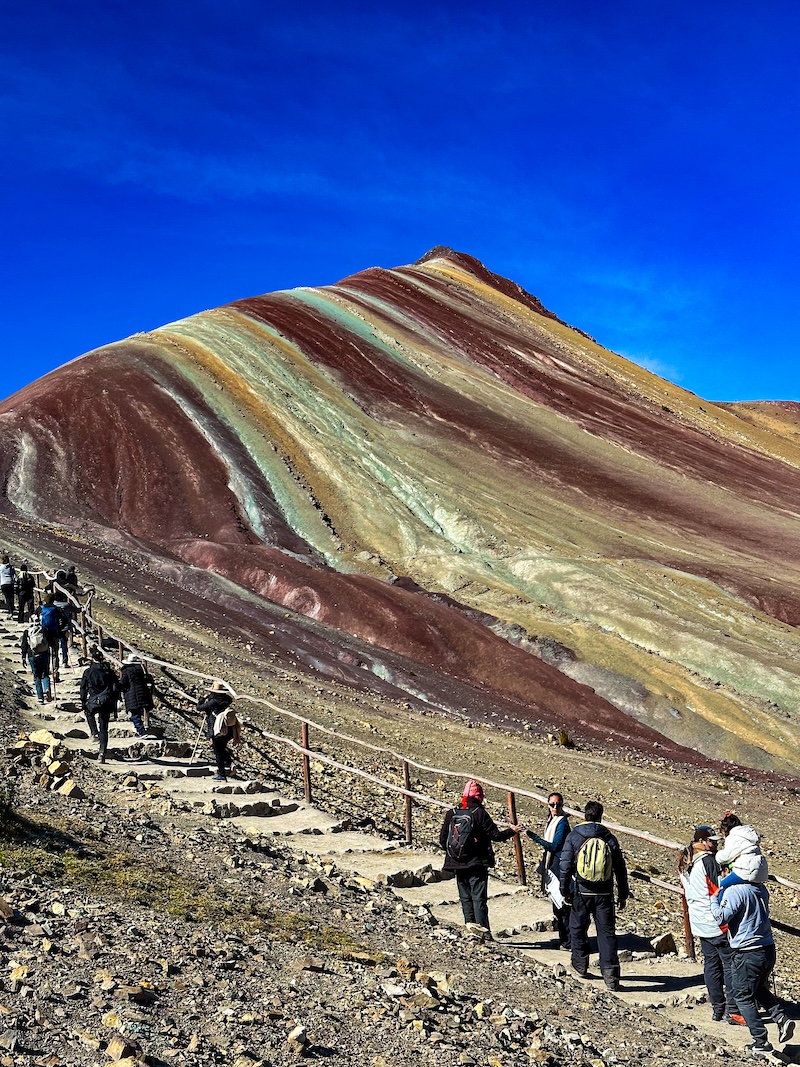
Preparing for a Rainbow Mountain tour from Cusco involves detailed planning. The journey is best approached with both excitement and respect for the environment.
Tours from Cusco generally commence early in the morning. This early start ensures you experience the vibrant colors with optimal daylight.
Tour operators offer various packages. Most include round-trip transportation, meals, and professional guides to enhance your experience.
When organizing your tour, consider the time of year. The dry season, from May to September, offers the best conditions for visiting.
Before embarking, acclimatize in Cusco to avoid altitude sickness. This step is vital, as Rainbow Mountain soars above 5,000 meters.
Pack appropriately for the trek. Warm clothing, sunscreen, and plenty of water are essential for a comfortable and safe journey.
Aim to support sustainable tour practices. Choose operators who prioritize environmental and cultural preservation in their activities.
Through thoughtful planning, your adventure to Rainbow Mountain will be rewarding. You’re not just visiting a beautiful site. You will be embarking on an enriching journey into the heart of Peru’s natural wonders.
A Rainbow Mountain day trip from Cusco is a full day adventure. You’ll explore stunning landscapes and immerse yourself in Andean culture.
Most tours depart around 3:00 to 4:00 a.m.. This is to ensure you reach the trail before sunrise. The early start aids in capturing the morning light over the colorful slopes.
The drive to the base camp takes approximately three hours. You’ll pass picturesque villages and vast Andean vistas. This journey is an opportunity to witness local life in the Andes.
Once you arrive, the trek begins. The hike is about 10 kilometers round trip and can be quite challenging due to the high altitude.
As you ascend, you’ll traverse diverse terrains and witness remarkable views. Llamas and alpacas graze freely, adding charm to the landscape.
The summit offers breathtaking views of Vinicunca’s vibrant stripes. This moment, surrounded by the awe-inspiring Andes, is truly unforgettable.
Remember to heed the guidance provided by your tour leader for a safe trek. Pace yourself, take breaks as needed, and savor every moment of this unforgettable experience in Peru.
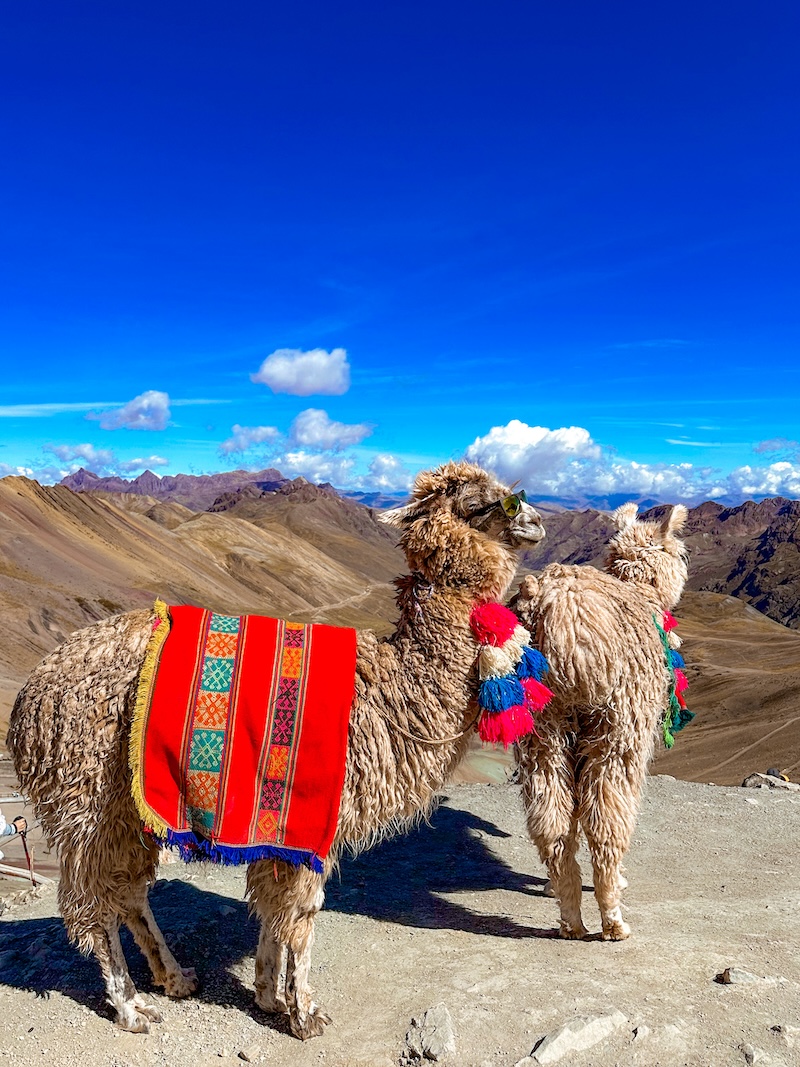
Rainbow Mountain is not only a visual masterpiece but also a hub of biodiversity. The area supports unique Andean wildlife, thriving despite harsh conditions.
Here, you might encounter graceful vicuñas and sturdy llamas.. They are emblematic of the region. These creatures are remarkably adapted to the high-altitude environment.
The presence of vibrant birdlife enhances the trek. Keep an eye out for the Andean condor, soaring majestically overhead. Their wingspan is an impressive sight against the mountain backdrop.
The ecosystem includes hardy plant life. It is vital to sustaining local fauna. You’ll observe tufts of grass and resilient shrubs clinging to rocky soil.
Understanding these ecological adaptations deepens your appreciation for this resilient ecosystem. Each species plays a role in maintaining ecological balance.
Respect for these natural inhabitants is paramount during your visit. Observe them quietly and maintain a respectful distance to avoid disturbing their habitats.
Engaging with this diverse wildlife provides insights into the strength and fragility of high-altitude ecosystems. Embrace each moment in this majestic environment.
The popularity of Rainbow Mountain brings both opportunities and challenges. Managing tourist impact is crucial to preserving its ecological beauty. Sustainable tourism is essential for this delicate landscape. This ensures its preservation for future generations.
Local communities and tour operators play vital roles in conservation. Their initiatives focus on environmental education and promoting responsible travel practices. Awareness campaigns highlight the importance of minimizing footprints and respecting the natural environment.
Efforts to protect the area often include community participation. By involving locals in conservation, a sense of stewardship is fostered. This collaboration helps to safeguard the mountain’s unique biodiversity.
Conservation also involves supporting sustainable development. Ecotourism provides economic benefits, offering locals alternative livelihoods. This reduces dependence on damaging practices, like overgrazing or deforestation.
Visitors can contribute by choosing eco-friendly tours and supporting local conservation projects. Responsible tourism is not just a choice. It’s a necessity to preserve Rainbow Mountain’s unmatched splendor.

Embarking on a trek to Rainbow Mountain is an exhilarating adventure. Preparation is key to ensuring a safe and enjoyable experience. Here are some essential tips to help you make the most of your journey.
Firstly, acclimatizing in Cusco for a few days is crucial. This helps your body adjust to the high altitude. It will help reducing the risk of altitude sickness. Taking things slowly and staying hydrated can also aid in acclimatization.
Packing appropriately is another vital consideration. The weather can be unpredictable, so bring layers for warmth and waterproof clothing. Additionally, sturdy hiking boots are essential for navigating rocky paths.
Listening to your body is essential during the trek. If you experience symptoms of altitude sickness, communicate with your guide immediately. Rest if needed, and don’t push beyond your limits.
Lastly, savor the journey itself. Take time to appreciate the breathtaking views and immerse yourself in the beauty of the Andes. With the right preparation, your trek to Rainbow Mountain can be an unforgettable experience.
Touring Rainbow Mountain offers more than just views; it’s a chance to support local communities. Many tours are run by locals, who rely on tourism for their livelihood. Opting for local operators ensures that more benefits stay within the community.
Supporting the community can be simple. Purchasing handmade crafts directly from artisans makes a big difference. It supports their businesses and provides visitors with meaningful souvenirs. Choosing homestays over large hotels can enrich your experience and contribute to local economies.
Being a responsible traveler means leaving a positive impact. Your actions can help preserve the natural beauty and cultural heritage of Rainbow Mountain for generations. By making informed choices, you contribute to sustainable tourism and community wellbeing.

Embarking on a tour to Rainbow Mountain, many visitors have questions about what to expect. Understanding the essential details can enhance your experience and prepare you well for the adventure.
What is the best time to visit Rainbow Mountain? The best time is during the dry season, from May to September, for clear views and safer trails. This period avoids the rainy season, which can make the paths slippery and difficult.
Travelers can rest assured that with adequate preparation, their visit to Rainbow Mountain will be an unforgettable blend of physical achievement and cultural enrichment.
Visiting Rainbow Mountain leaves a profound impact on both the heart and mind. The striking colors and breathtaking views create memories that last a lifetime. This journey, more than just a trek, reshapes one’s understanding of nature’s grandeur.
The cultural richness of the region adds depth to the visual splendor. Engaging with local communities enhances respect for their traditions and lifestyle. It’s an enlightening experience that bridges cultural divides and fosters a sense of global connectedness.
Moreover, the journey inspires an enduring commitment to conservation. Experiencing the fragility of high-altitude ecosystems firsthand prompts many to advocate for sustainable travel. As we tread lightly on these trails, we become more aware of our environmental responsibilities. This awareness influences future travel choices. It also encourages a continued quest for eco-friendly adventures.

 Tripadvisor