


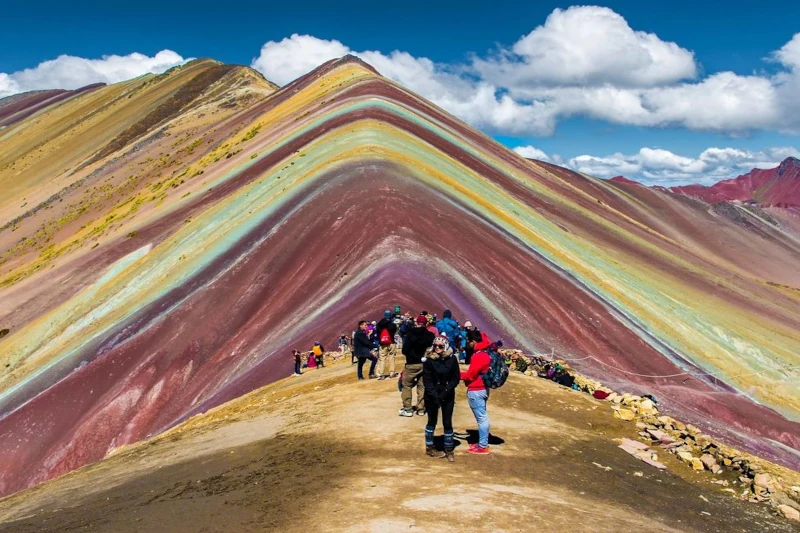
In the heart of the Peruvian Andes lies a mesmerizing natural wonder known as Vinicunca, or Rainbow Mountain. This geological marvel, with its vibrant, multicolored stripes, stands as a testament to the natural beauty and cultural richness of the region. But how high exactly is this mountain, and what makes it so special? Let’s delve into the elevation of Rainbow Mountain, its cultural significance, and what you need to know before embarking on a journey to this breathtaking destination.
Rainbow Mountain, or Vinicunca, soars to an impressive elevation of approximately 5,200 meters (17,060 feet) above sea level. This makes it one of the highest peaks in the Andes and a significant challenge for trekkers and travelers alike. Its towering height is not only a physical barrier but also a gateway to a world rich in history and culture.
The Cusco’s altitude of Rainbow Mountain is a crucial factor for anyone planning to visit. At this elevation, the air is thin, and the risk of altitude sickness is real. Visitors often experience symptoms such as dizziness, headaches, and shortness of breath. It’s essential to acclimatize properly before attempting the trek to Vinicunca. Spending a few days in Cusco, which itself sits at an altitude of 3,400 meters (11,152 feet), can help your body adjust to the high altitudes of the Andes.
When ascending to such high elevations, the body undergoes several physiological changes. Reduced oxygen levels mean that the heart and lungs work harder to deliver oxygen to muscles and organs. This increased workload can lead to fatigue and decreased physical performance. Visitors are advised to take it slow, allowing their bodies to acclimate naturally, and to be aware of the signs of altitude sickness.
The elevation of Rainbow Mountain has played a significant role in the history of the Andean region. High-altitude landscapes have traditionally been seen as sacred spaces, often associated with the spiritual realm. The elevation not only provides breathtaking views but also serves as a reminder of the endurance and resilience of the local communities who have thrived in these challenging environments for centuries.
The breathtaking altitude of Rainbow Mountain is not just a geographical fact; it’s integral to its formation. Over millions of years, tectonic activity, erosion, and mineral deposits have shaped its unique appearance. The high altitude has preserved these layers, creating a natural canvas of colors that speak to the earth’s dynamic history. Understanding this geological backdrop enhances the appreciation of Vinicunca’s elevation.
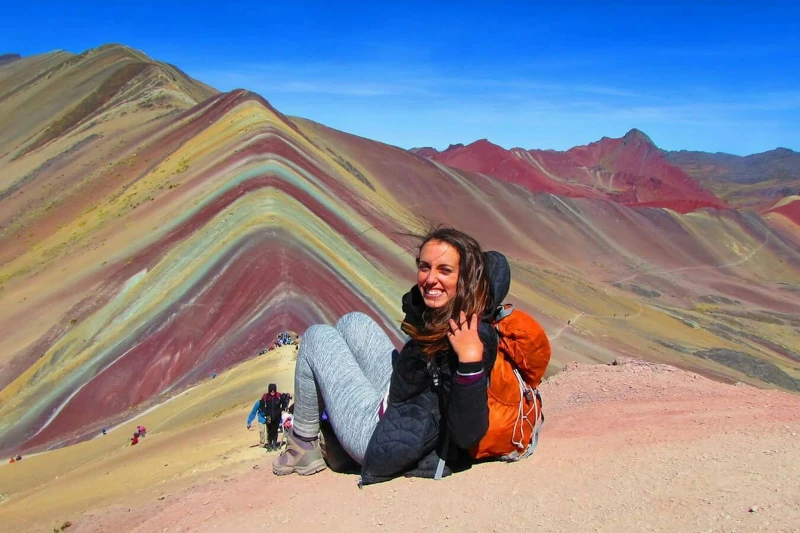
Trekking to Rainbow Mountain is a rewarding yet demanding endeavor. The trek typically starts at a base camp situated at an elevation of around 4,326 meters (14,189 feet). From there, it’s a challenging ascent to the summit of Vinicunca. The trek spans approximately 10 kilometers (6.2 miles) and can take anywhere from 3 to 5 hours, depending on your pace and acclimatization.
Preparing for the journey requires a good level of physical fitness. Engaging in cardiovascular exercises, such as jogging or cycling, can improve stamina and lung capacity, both of which are essential for high-altitude trekking. Strength training, especially for the legs and core, can aid in stability and balance on uneven terrain. Beginners are encouraged to start their training routine at least a month before the trek.
There are several routes to reach Rainbow Mountain, each offering unique challenges and rewards. Some paths may be steeper but shorter, while others are longer but provide gradual ascents. Trekkers should research different routes and choose one that aligns with their experience and comfort level. Guide to Peru’s Rainbow Mountains often provide valuable insights into which path might be best, depending on the weather and trail conditions.
Packing the right gear is crucial for a successful trek. Waterproof clothing, thermal layers, and moisture-wicking fabrics are essential for dealing with the unpredictable mountain weather. Trekking poles can offer support during steep climbs, while a daypack with hydration packs ensures easy access to water. High-energy snacks, like nuts and dried fruit, provide quick refueling options on the trail.
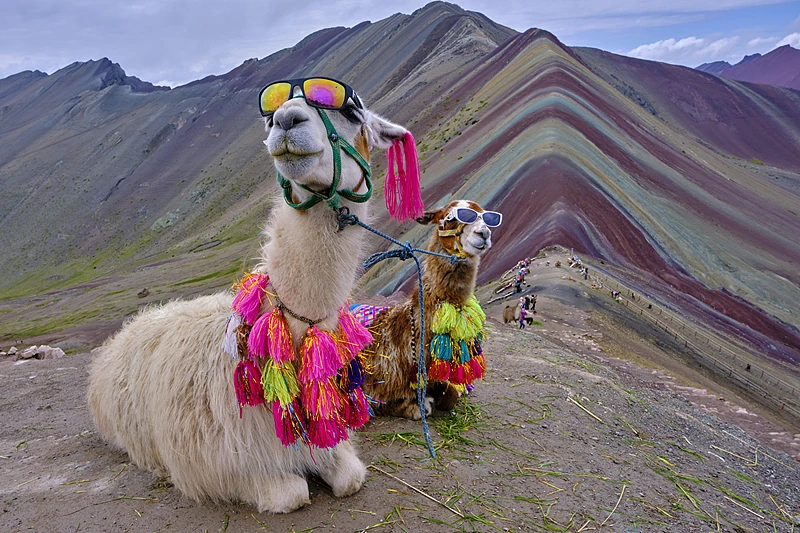
As you ascend the trails of Rainbow Mountain, you’ll be greeted by the sight of diverse Andean wildlife. From majestic llamas and alpacas grazing on the slopes to the elusive vicuña, the region is teeming with life. Bird enthusiasts will delight in spotting the Andean condor, one of the world’s largest flying birds, soaring gracefully above the peaks.
The Andean region is a hotspot for biodiversity, with ecosystems ranging from grasslands to cloud forests. Each ecosystem supports unique plant and animal life adapted to high-altitude conditions. Visitors might also encounter native flora, such as the vibrant Andean lupine, which adds splashes of color to the landscape. Understanding these ecosystems can deepen appreciation for the region’s natural wonders.
Efforts to preserve the natural habitat of Rainbow Mountain and its surrounding areas are ongoing. Sustainable tourism practices are encouraged to minimize human impact. Visitors are urged to follow Leave No Trace principles, ensuring that the pristine environment remains intact for future generations. Local communities often play a crucial role in conservation, blending traditional knowledge with modern techniques to protect their homeland.
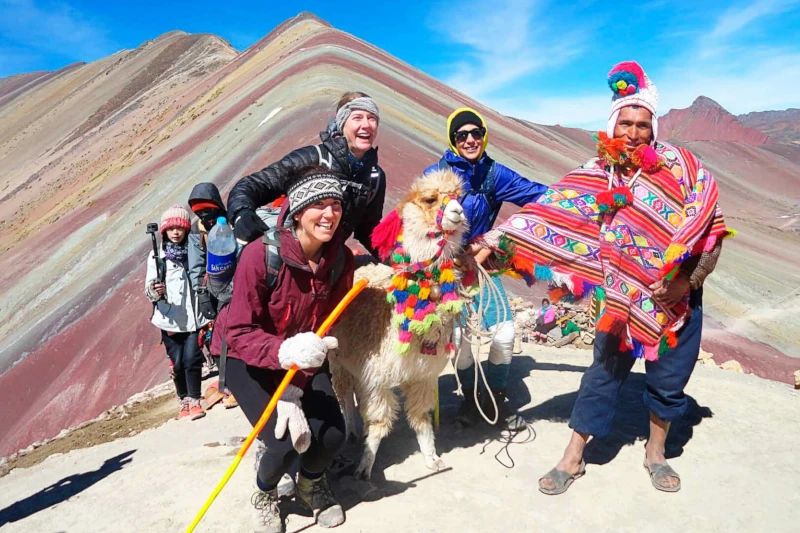
The region surrounding Rainbow Mountain is home to indigenous communities with rich cultural traditions. Trekkers may have the opportunity to engage with locals, learning about their customs and ways of life. Handicraft markets, where locals sell textiles and other goods, provide insight into the artistic heritage of the Andes. Such interactions foster cultural exchange and mutual understanding.
Rainbow Mountain holds profound cultural significance for the indigenous communities of the Andes. For centuries, it has been revered as a sacred site, woven into the spiritual and cultural fabric of the region. The vibrant colors of the mountain are said to be a manifestation of Pachamama, the Earth Mother, and hold deep spiritual meaning.
Throughout history, Rainbow Mountain has been a site for traditional rituals and ceremonies. Indigenous peoples often conduct offerings and prayers to honor Pachamama, seeking her blessings for bountiful harvests and protection. These ceremonies, rooted in ancient practices, underscore the deep spiritual connection between the people and the land, reflecting a harmonious relationship with nature.
Rainbow Mountain is steeped in mythology and folklore, with stories passed down through generations. These narratives often explain the mountain’s creation and its colorful bands, attributing them to divine interventions or mythical beings. Such tales enrich the cultural landscape of the Andes, offering insight into how natural wonders are interwoven with human imagination and belief systems.
In contemporary times, Rainbow Mountain has become a symbol of national pride and cultural identity in Peru. It features prominently in art, literature, and tourism campaigns, showcasing the country’s diverse heritage. The mountain’s image is used to promote awareness of indigenous rights and environmental protection, highlighting the ongoing interplay between tradition and modernity.
The name “Vinicunca” itself is derived from the Quechua language, spoken by the indigenous people of the Andes. “Vini” means “colored” and “cunca” translates to “neck” or “throat,” reflecting the mountain’s vivid hues that resemble a rainbow’s embrace. Understanding the linguistic roots of Vinicunca adds another layer to the cultural tapestry of the Andes, highlighting the interplay between language, geography, and identity.
The Quechua language, integral to the identity of the Andean people, is part of a broader effort to preserve indigenous languages. Language preservation initiatives aim to keep these languages alive, recognizing them as key to cultural heritage. Schools and community programs often integrate Quechua into their curricula, ensuring that future generations maintain a connection to their linguistic roots.
Language serves as a bridge between cultures, offering insights into different worldviews and practices. For visitors to Rainbow Mountain, learning basic Quechua phrases can enhance interactions with local communities. It signifies respect and a willingness to engage with the culture on its terms, fostering mutual understanding and appreciation.
To ensure a safe and enjoyable trek to Rainbow Mountain, proper acclimatization is essential. Spend a few days in Cusco or the Sacred Valley to allow your body to adjust to the altitude. Hydration is crucial, so drink plenty of water and avoid alcohol, which can exacerbate altitude sickness symptoms.
Recognizing the symptoms of altitude sickness early can prevent more severe complications. Common signs include nausea, fatigue, and difficulty sleeping. Over-the-counter medications like acetazolamide can help alleviate symptoms, but it’s always best to consult a healthcare professional before use. If symptoms persist, descending to a lower altitude is the most effective remedy.
Staying hydrated is vital when trekking at high altitudes. The dry mountain air can lead to dehydration, exacerbating altitude sickness symptoms. Carry a reusable water bottle and replenish it regularly at safe water sources. Adding electrolyte tablets can aid in maintaining essential mineral balance, supporting physical performance during the trek.
Opt for a Rainbow Mountain tour that aligns with your fitness level and interests. Some tours offer horseback riding options for those who prefer a less strenuous journey. A knowledgeable guide can enhance your experience by providing insights into the region’s history, culture, and geology.
When selecting a tour provider, research their reputation and commitment to safety. Reading reviews and testimonials can offer insights into the quality of their services. Look for operators who emphasize sustainable tourism practices, ensuring that your visit supports local communities and minimizes environmental impact.
Many tours offer customizable options to suit different preferences. Whether you’re interested in photography, wildlife observation, or cultural immersion, there’s likely a tour that caters to your interests. Communicating your expectations with the tour provider can help tailor the experience to your liking, ensuring a memorable and fulfilling adventure.
Weather conditions in the Andes can be unpredictable, so it’s important to pack layers to accommodate varying temperatures. Sunscreen, sunglasses, and a wide-brimmed hat are essential to protect against the intense mountain sun. Sturdy hiking boots and walking poles can provide added stability on the rugged trails.
In addition to clothing and footwear, consider packing a first aid kit with essentials like band-aids, antiseptic wipes, and pain relievers. A portable charger can keep electronic devices powered for capturing photos and staying connected. While it’s important to be prepared, avoid overpacking to keep your backpack manageable and comfortable.
Layering is key when dressing for high-altitude treks. Start with a moisture-wicking base layer to keep sweat away from the skin. Add an insulating layer for warmth and a waterproof shell to protect against wind and rain. Accessories like gloves and neck gaiters can provide additional warmth in colder conditions.
While Rainbow Mountain often steals the spotlight, the nearby Red Valley is a hidden gem worth exploring. With its striking crimson landscapes and panoramic views, the Red Valley offers a quieter, more intimate connection to the Andean wilderness. Many tours combine both destinations, allowing you to experience the full spectrum of the region’s natural beauty.
The Red Valley, less frequented by tourists, offers a serene alternative to Rainbow Mountain’s busier trails. Its unique red soil, resulting from iron oxide deposits, creates a dramatic landscape that contrasts beautifully with the surrounding greenery. Exploring this area provides a sense of solitude and an opportunity to connect more deeply with nature.
For photographers, the Red Valley is a treasure trove of visual possibilities. The interplay of light and shadow on the crimson terrain can result in stunning images. Capturing the vibrant colors at sunrise or sunset can yield particularly striking photographs, highlighting the valley’s ethereal beauty. Remember to pack a camera with versatile lenses to make the most of the scenery.
Many tour operators offer packages that include both Rainbow Mountain and the Red Valley, maximizing the trekking experience. This dual adventure allows trekkers to witness diverse landscapes and gain a comprehensive understanding of the region’s natural wonders. It’s an ideal option for those looking to immerse themselves fully in the Andean environment.
The Red Valley is not only a natural wonder but also a site of cultural significance. Local communities often use the area for grazing livestock, continuing traditional pastoral practices. Engaging with these communities can provide insight into their way of life and the challenges they face in preserving their cultural heritage amid growing Rainbow Mountain day trips.
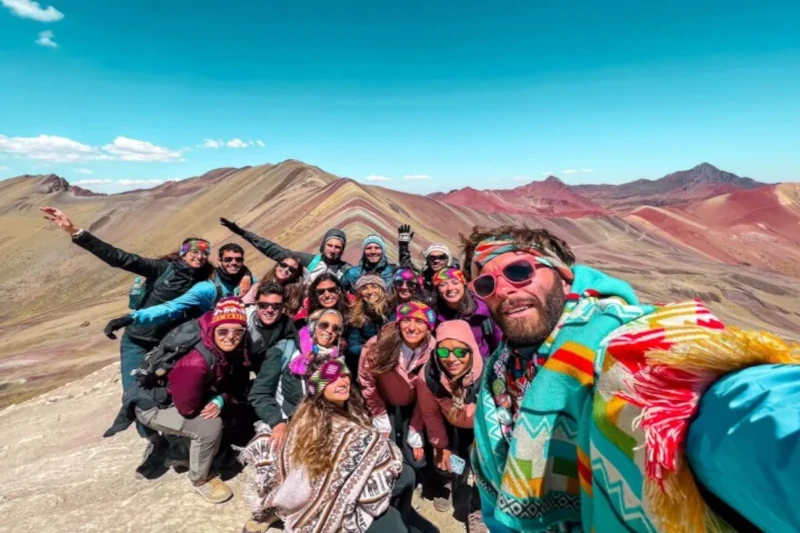
Embarking on a trek to Vinicunca, or Rainbow Mountain, is more than just an adventure; it’s a journey through time and nature. From the vibrant colors of the mountain to the rich cultural heritage of the Andean people, every step is a testament to the wonders of our world. As you stand at the summit, gazing at the horizon, you’ll find yourself immersed in a landscape that transcends the physical and touches the soul. Whether you’re a seasoned trekker or a cultural enthusiast, the allure of Rainbow Mountain is an experience that will linger in your heart long after you’ve descended its slopes.
Reaching the summit of Rainbow Mountain is a moment of triumph and reflection. It’s an opportunity to appreciate the resilience of nature and the enduring spirit of the Andean people. The trek challenges both body and mind, offering lessons in perseverance and adaptability. For many, the experience is transformative, leaving a lasting impact that extends beyond the journey itself.
Returning from Rainbow Mountain, sharing your experience with others can inspire future adventurers. Whether through storytelling, photography, or social media, your journey can raise awareness of this natural wonder and its cultural significance. Sharing insights about one of the top places to see in Cusco responsible tourism practices also helps promote sustainable travel, ensuring that Rainbow Mountain remains a cherished destination for generations to come.

 Tripadvisor