


The Inca civilization, renowned for its architectural marvels and expansive empire, also developed a unique and sophisticated method of record-keeping that has long intrigued historians and anthropologists alike. Known as the Inca quipus, this system of knotted cords played a critical role in the administration and communication across the vast Andean landscape. In fact by delving into the intricacies of the quipus, we can explore their vital role within the Inca Empire and their significance in illuminating the history and culture of the Andes.
To fully appreciate the quipus, it’s essential to understand the historical context in which they were developed. The Inca Empire. Which flourished in the Andean region of South America, was a highly organized society that extended across modern-day Peru, Ecuador, Bolivia, Chile, Argentina, and Colombia. Moreover this vast empire required an efficient system of communication and administration to manage resources, populations, and territories.
The Incas lacked a traditional written language, which posed a unique challenge for record-keeping and communication. In response, they developed the quipus, a system that could store and convey complex information without the need for written text. Therefore this innovation highlights the Incas’ adaptability and resourcefulness in overcoming the limitations of their environment.
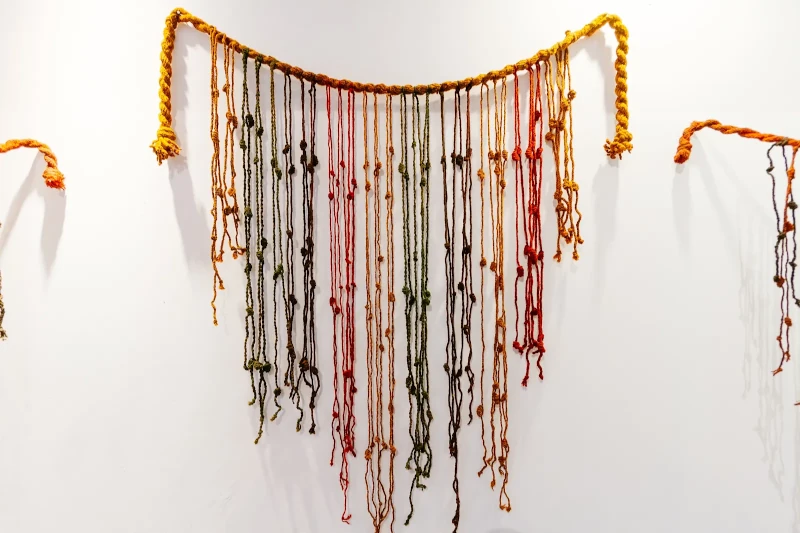
Quipus were constructed using cotton or camelid fibers, such as those from llamas or alpacas, which were readily available in the Andes. However the primary cord served as the backbone of the quipu, from which multiple pendant cords were attached. In effect these pendant cords could vary in length, color, and thickness, each factor contributing to the information encoded within.
The knots themselves were tied in various configurations, including single knots, long knots, and figure-eight knots. Additionally the placement and type of these knots represented different quantities and possibly even narrative elements. Moreover this intricate construction required skilled artisans, known as quipucamayocs, who were trained to create and interpret the quipus.
The choice of colors and materials in quipus carried symbolic meanings that added another layer of complexity to their interpretation. Different colors could signify various categories of information, such as red for warriors or white for peace. The materials used, whether cotton or camelid fibers, might also have held specific connotations or been chosen based on their availability in a particular region.
Understanding the symbolism of colors and materials in quipus is crucial for decoding their meanings and appreciating the cultural context in which they were created. Therefore this aspect of quipus underscores the Incas’ deep connection to their environment and their ability to imbue everyday objects with cultural significance.

Quipus were not merely administrative tools; they were embedded within the fabric of Inca society, serving a multitude of functions that extended beyond record-keeping. By examining the roles quipus played in administration, economy, society, and culture, we gain insight into their multifaceted significance.
Within the Inca Empire, quipus were indispensable tools for officials known as quipucamayocs, or “keepers of the quipus.” These individuals were responsible for the creation, maintenance, and interpretation of the quipus, ensuring that the encoded information was accurate and up-to-date.
The quipus facilitated the collection of taxes and tributes from conquered territories, allowing the central government to maintain control over distant regions. While this efficient administrative system was a key factor in the empire’s stability and success.
Beyond their practical applications, quipus held profound cultural significance within the Inca civilization. They were often used in religious and ceremonial contexts, serving as a means of preserving oral histories, mythologies, and genealogies. The Incas believed that the quipus were connected to the divine, and their use was closely associated with sacred sites such as the temple of Coricancha, the most revered temple in Cusco.
In this way, the quipus functioned as both a tool for governance and a symbol of Inca cultural identity, reflecting the complex interplay between administration, religion, and society.
Quipucamayocs played a crucial role in the Inca administrative system, acting as the custodians of the quipus. These highly trained individuals underwent rigorous education to master the intricacies of quipu construction and interpretation. Their expertise was essential for maintaining the accuracy and reliability of the information encoded within the quipus.
The task of decoding the Inca quipus has captivated researchers for decades, presenting both challenges and opportunities for new discoveries.

Decoding the quipus has proven to be a formidable challenge for researchers, given the absence of a direct written correlation to their meanings. However, advances in technology and a growing body of research have led to significant breakthroughs in recent years. In fact scholars have identified various knot types and placements, suggesting that the quipus operated on a decimal system similar to modern accounting.
Additionally, some researchers propose that certain quipus may have recorded narratives, though this theory remains controversial. The interpretation of quipus continues to evolve as new discoveries are made and technology advances.
The quipus are an integral part of the cultural heritage of the Andes, representing the intellectual achievements and innovative spirit of the Inca civilization. Museums, universities, and cultural institutions around the world are collaborating to protect and conserve quipus, employing cutting-edge technology and conservation techniques.
For travel writers and enthusiasts of indigenous cultures, the quipus offer a captivating glimpse into the past. Educational initiatives play a vital role in raising awareness and appreciation for the quipus and the Inca civilization.
The Inca quipus represent a remarkable chapter in the history of record-keeping and administration. Through ongoing research and preservation efforts, these artifacts will remain a source of knowledge and inspiration for generations to come.

 Tripadvisor