


The South Valley of Peru, stretching southeast from Cusco, is a less-traveled path that offers a unique glimpse into the Andean world. This area is a tapestry of history, culture, and natural wonders, from ancient ruins to vibrant communities that continue to uphold their ancestral traditions.
The South Valley is steeped in history, with roots that trace back to the pre-Inca civilizations. One of the most remarkable sites is Pikillacta, a large archaeological complex that offers a window into the Wari culture that thrived long before the Inca Empire rose to prominence. The site features an intricate layout of adobe structures, showcasing the sophisticated urban planning of the Wari people.
The architectural design of Pikillacta stands as a testament to the Wari’s advanced engineering skills. With over 700 structures, including plazas, colonnades, and residential areas, the site reflects a complex urban lifestyle. Visitors can walk through these ancient corridors, imagining the bustling life that once thrived here.
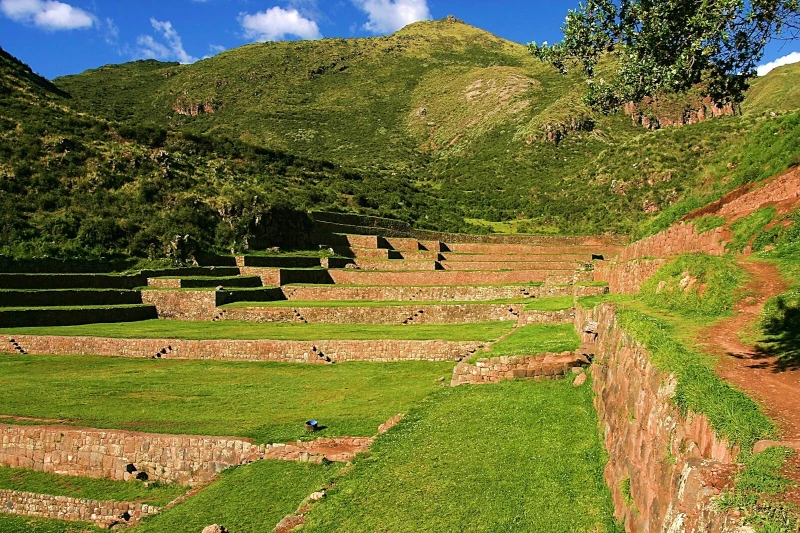
Another historical gem is Tipón, an archaeological park renowned for its impressive agricultural terraces. These terraces are not just feats of agricultural engineering but also a reflection of the intricate water management systems developed by the Inca. The site offers insight into the ingenuity of ancient Andean civilizations in harnessing natural resources.
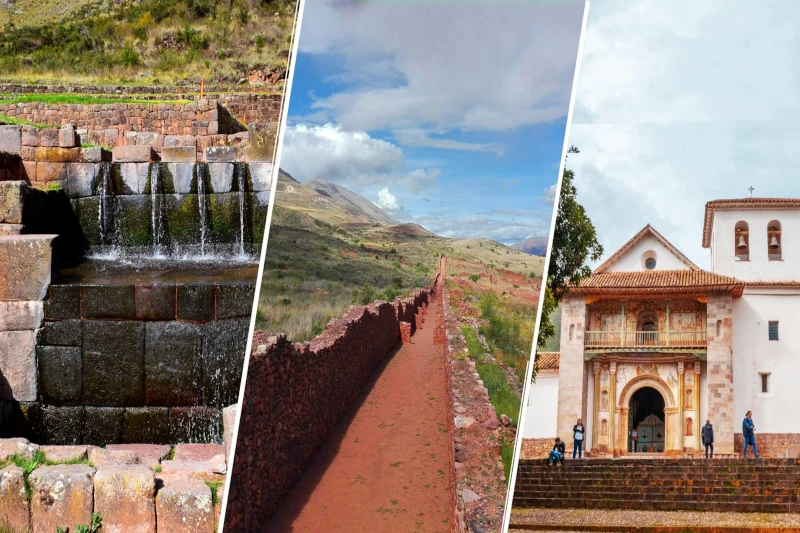
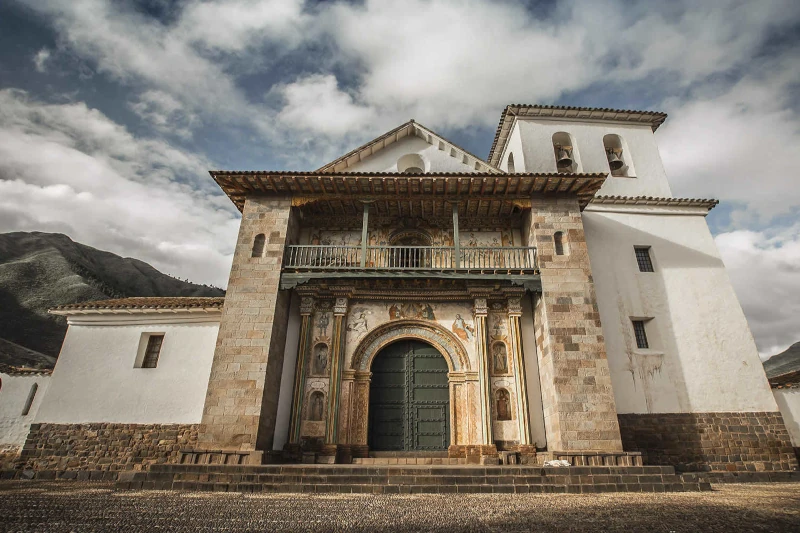
A journey through the South Valley is incomplete without a visit to Andahuaylillas, often dubbed the “Sistine Chapel of the Andes.” This quaint town is home to a stunning church adorned with intricate murals and gold leaf designs. The church’s elaborate interior reflects the fusion of indigenous and colonial artistic expressions, providing a visual narrative of the region’s cultural evolution.
The murals inside the church of San Pedro de Andahuaylillas are a breathtaking fusion of European and indigenous artistic styles. These paintings not only depict religious themes but also incorporate local flora and fauna, offering a unique perspective on how cultures intertwined. The church is a living museum of cultural syncretism, showcasing the harmonious blend of two worlds.
Andahuaylillas is also a center for traditional music and dance, with vibrant festivals held throughout the year. These celebrations are a delightful explosion of colors, music, and dance, offering visitors a chance to witness the living traditions of the Andean people. Engaging with the local community during these events provides a deeper appreciation for their cultural resilience.
The nearby town of Huaro is another cultural treasure, known for its colonial church and impressive mural paintings. These murals depict scenes of heaven and hell, offering a dramatic visual representation of the religious teachings brought by the Spanish, yet infused with local interpretations. Visiting Huaro adds another layer to understanding the rich cultural mosaic of the South Valley.
The South Valley is not only a historical and cultural hub but also a gateway to some of Peru’s most awe-inspiring natural landscapes.
Vinicunca, also known as the Rainbow Mountain, is a natural marvel that draws travelers from around the world. However, the journey to Vinicunca is as rewarding as the destination itself. The road to these vibrant mountains offers a breathtaking panorama of the Andes, dotted with traditional villages and herds of alpacas grazing in the wild.
The trek to Rainbow Mountain is an adventure through diverse ecosystems, each offering its unique beauty. As you ascend, the landscape transforms, with every turn revealing new vistas of snow-capped peaks and verdant valleys. The journey is a testament to the incredible biodiversity of the Andes, where every altitude hosts its unique flora and fauna.
En route to Vinicunca, travelers often encounter friendly local communities eager to share their traditions. These interactions provide a glimpse into the Andean way of life, rich with stories passed down through generations. Engaging with these communities not only enriches your journey but also supports sustainable tourism practices.
The vivid colors of Rainbow Mountain are a geological wonder, created by the mineral deposits over millennia. Each hue tells a story of the earth’s evolution, making the mountain a natural canvas of geological history. Standing atop Vinicunca, surrounded by this natural splendor, offers a profound connection to the earth’s ancient past.
For those seeking an alternative to the popular Vinicunca, the Pallay Punchu offers a less crowded experience with equally stunning views. Located in the shadow of the majestic Ausangate, Pallay Punchu is a series of colorful hills that provide a serene escape into nature. This route also offers the opportunity to engage with local communities and experience the warmth of Andean hospitality.
The trail to Pallay Punchu is a gentler alternative, making it accessible to a wider range of travelers. Along the way, the landscape unfolds with every step, revealing breathtaking views. The tranquility of this path allows for introspection and a deeper connection to the natural world.
Ausangate, the sacred mountain of the Andean people, looms majestically over the region. Its snow-capped peaks are not only a sight to behold but also a source of spiritual significance for local communities. Pilgrimages to Ausangate are common, with rituals performed to honor the mountain’s spirit, believed to be a guardian of the region.
In addition to its natural beauty, the Palccoyo area offers rich opportunities to learn about traditional Andean lifestyles. Visitors can participate in weaving workshops, sample local cuisine, and learn about the sustainable practices that have allowed these communities to thrive in harmony with their environment for centuries.
While the Sacred Valley is often associated with the iconic sites of Pisac and Ollantaytambo, its connection to the South Valley is equally significant. The two regions together form a continuum of cultural and historical landmarks, each telling a part of the story of the Andean civilizations.
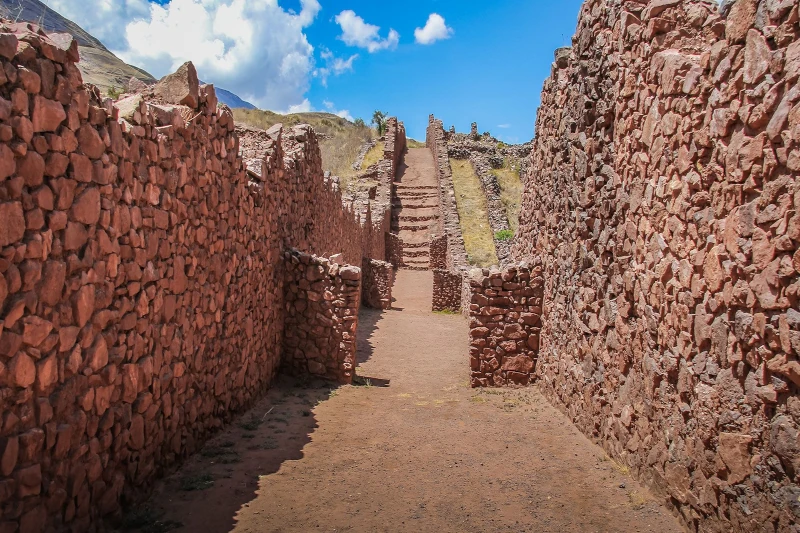
Pikillacta serves as a bridge between the South Valley and the Sacred Valley trip, offering insights into the pre-Inca era. The site is a testament to the architectural prowess of the Wari civilization and provides context for understanding the subsequent rise of the Inca Empire.
The strategic location of Pikillacta highlights its importance as a regional hub in ancient times. Its position along ancient trade routes facilitated the exchange of goods, ideas, and cultural practices, contributing to the region’s development. Exploring Pikillacta offers a glimpse into the dynamic interactions that shaped the early Andean societies.
Archaeological discoveries at Pikillacta continue to reveal new aspects of Wari culture, from their agricultural practices to their spiritual beliefs. These findings enrich our understanding of how the Wari laid the groundwork for the Inca’s rise to power. The site is a living testament to the sophisticated social organization of pre-Inca civilizations.
The church of San Pedro de Andahuaylillas stands as a symbol of the cultural intersections that define the region. Its ornate decorations and syncretic art styles illustrate the blending of Andean and European influences, embodying the rich cultural dialogues that have shaped the Cusco South Valley tour.
The intricate artwork within the church is a narrative of cultural adaptation and resilience. Each mural tells a story of faith and identity, reflecting the community’s ability to merge distinct traditions into a cohesive cultural expression. Visiting Andahuaylillas offers a profound insight into the region’s historical journey of transformation.
Andahuaylillas is more than just its church; it is a vibrant town where traditional crafts flourish. The town’s artisans are keepers of ancient techniques, creating works that are both beautiful and functional. Supporting these artisans helps preserve the cultural heritage and provides economic opportunities for the local community.
The region’s festivals are another highlight, where music, dance, and food come together in a celebration of life and heritage. Participating in these events offers an immersive experience, allowing visitors to connect with the spirit of the Andean people and the land they hold sacred.
The diverse ecosystems of the South Valley support a wide array of plant and animal species, many of which are endemic to the region. From the vibrant orchids that dot the landscape to the majestic condors soaring overhead, the biodiversity here is astounding. Conservation efforts are crucial to preserving this natural heritage for future generations.
The archaeological richness of the South Valley is a treasure trove for historians and archaeologists alike. Each site offers a piece of the puzzle in understanding the complex societies that once thrived in the Andes. These ancient ruins are not just remnants of the past but are integral to understanding the broader tapestry of human history in the region.
The linguistic landscape of the South Valley is as diverse as its culture, with Quechua, the language of the Inca, still spoken by many. This linguistic heritage is a testament to the resilience of indigenous communities in preserving their identity. Learning a few phrases in Quechua can enhance your travel experience and demonstrate respect for the local culture.
When planning a trip to the South Valley, consider the following tips to enhance your experience:
The South Valley is easily accessible from Cusco, making it a convenient day trip or an extended exploration. Hiring a local guide can greatly enhance your understanding of the sites and provide deeper insights into the region’s history and culture.
Traveling with a knowledgeable guide can transform your journey into a rich educational experience. Guides can offer context and stories that bring the ancient sites to life, making each visit more meaningful. They also facilitate interactions with local communities, bridging cultural gaps and ensuring a respectful exchange.
Public transportation and private tours are both viable options for exploring the South Valley. While public buses offer an authentic local experience. Private tours provide the flexibility to tailor your itinerary. Weighing the pros and cons of each can help you choose the best option for your travel style and budget.
The dry season, from May to September, offers the most pleasant weather for exploring the South Valley. During this time, the skies are clear, providing optimal conditions for trekking and sightseeing.
Traveling during the dry season means you’ll encounter fewer weather-related disruptions, allowing for uninterrupted exploration. However, it’s also the peak tourist season, so planning ahead and booking accommodations in advance is wise to secure the best options.
The shoulder months of April and October offer a balance between good weather and fewer crowds. During these months, the landscapes are lush from the recent rains, and the trails are less congested. This can be an ideal time for travelers seeking a quieter, more intimate experience.
Make the most of your visit by engaging with local communities. Participate in cultural workshops, attend traditional festivals, and support local artisans by purchasing handmade crafts. These interactions not only enrich your travel experience but also contribute to the preservation of the region’s cultural heritage.
Cultural workshops provide hands-on experiences that deepen your understanding of Andean traditions. Whether it’s learning to weave, cook traditional dishes, or play local instruments, these activities offer a unique opportunity to connect with the culture in a meaningful way.
Attending a traditional festival immerses you in the vibrant life of the South Valley. These events are a sensory feast, filled with music, dance, and rituals that celebrate the region’s cultural identity. Participating respectfully offers insight into the values and beliefs that unite the community.
Supporting local artisans by purchasing crafts ensures that your visit has a positive impact. These artisans rely on their craft for their livelihood, and your purchases help sustain their traditions. Each piece tells a story, making it a meaningful souvenir of your journey.
The South Valley of Peru is a region rich in history, culture, and natural beauty. Offers travelers a unique and immersive experience. By exploring its hidden gems, you gain a deeper appreciation for the Andean civilizations that have shaped this land. Whether you’re captivated by ancient ruins, inspired by vibrant cultures. Therefore having stunning landscapes, the South Valley promises an unforgettable journey into the heart of Peru.
Embark on this adventure with an open heart and mind, and you’ll uncover the profound stories and enduring spirit of the Andean world. The South Valley is more than a destination. It’s a journey through time. Where every step brings you closer to the soul of the Andes. Let its beauty and history inspire you, and carry the spirit of the Andean people with you long after you’ve returned home.

 Tripadvisor