


When most people think of trekking in Peru, the iconic Inca Trail to Machu Picchu often comes to mind. However. The Lares Trek is a hidden gem that offers a more secluded and culturally immersive experience. Unlike the crowded paths of the Inca Trail, the Lares Trek allows adventurers to explore the breathtaking landscapes in solitude.
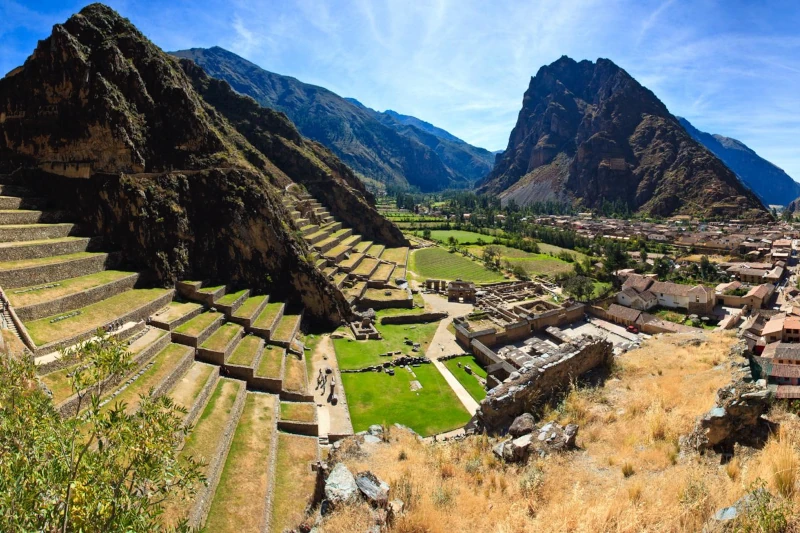
This trek takes you through the Sacred Valley, where you will encounter traditional Andean communities and witness the everyday lives of the Quechua people. It is not just about breathtaking landscapes; it is also about connecting with the rich cultural heritage of the Andes. As you walk along ancient paths, you will come across weavers and farmers who continue to practice centuries-old traditions. This trek is a unique opportunity to witness the living legacy of the Inca Empire.
Beyond the physical journey, the Lares Trek offers a spiritual exploration of the Andean way of life. Participants often have the chance to engage in traditional ceremonies. Learn about ancient customs that have been passed down through generations. This cultural exchange enriches the trekking experience, allowing travelers to gain a deeper understanding of the region.
Cusco is more than just a gateway to Machu Picchu; it is the historical heart of the Inca Empire. This city was once the capital of one of the most powerful civilizations in the Americas. Today, Cusco is a UNESCO World Heritage Site, where Inca ruins stand side by side with Spanish colonial architecture. Every stone and street in Cusco tells a story of a bygone era, inviting visitors to delve into its ancient past.
The streets of Cusco are lined with stories waiting to be discovered. From the impressive Sacsayhuamán fortress to the intricately carved stone walls of the Coricancha temple. Cusco is a testament to the architectural genius of the Incas. The blend of Inca and Spanish influences in the city’s architecture creates a unique aesthetic that captivates historians and tourists alike, offering a visual journey through time.
Cusco’s vibrant markets and festivals also offer a glimpse into the rich tapestry of Peru’s cultural heritage. Throughout the year, the city comes alive with celebrations that showcase traditional music, dance, and cuisine. These festivals are not only a feast for the senses but also an opportunity to participate in living traditions that celebrate the fusion of indigenous and colonial influences.
Nestled between the Andes Mountains, the Sacred Valley is a region of stunning natural beauty and historical significance. This fertile valley was once the agricultural hub of the Inca Empire, providing food for the empire’s vast population. The ancient terraces that line the valley are a testament to the ingenuity of Inca agricultural practices, which continue to influence local farming techniques to this day.
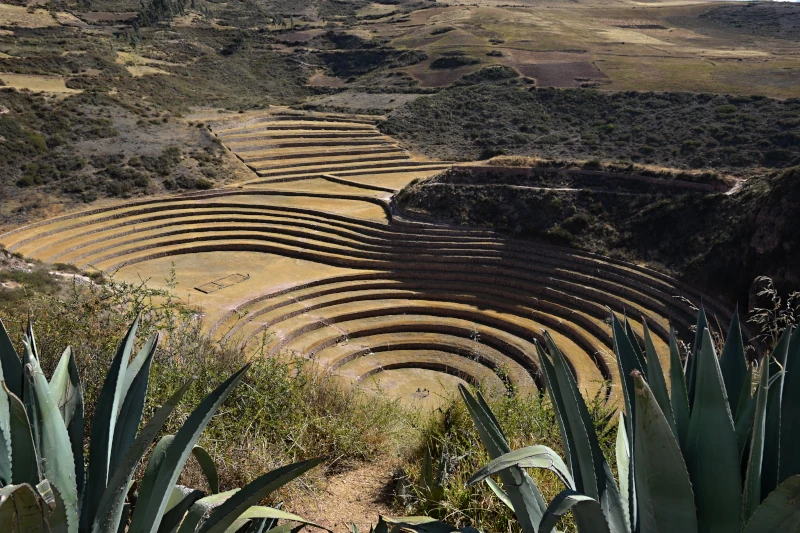
Exploring the Sacred Valley is like stepping back in time. Here, you can visit the impressive ruins of Ollantaytambo, a fortress and ceremonial center that played a crucial role in the Inca resistance against Spanish conquest. The valley is also home to other significant sites such as Pisac and Moray, each offering unique insights into the engineering and spiritual life of the Incas.
The valley is also known for its vibrant markets, where artisans sell traditional crafts, textiles, and pottery. These markets are a treasure trove of handmade goods that reflect the region’s cultural diversity and artistic heritage. Visitors have the chance to interact with local artisans, learn about their crafts, and take home a piece of the Sacred Valley’s rich cultural legacy.
Ausangate, the highest mountain in southern Peru, is considered sacred by the local Quechua communities. It is believed to be a deity that provides water and fertility to the surrounding lands. This reverence is reflected in the mountain’s role in local spiritual practices, where it is seen as a guardian and life-giving force.
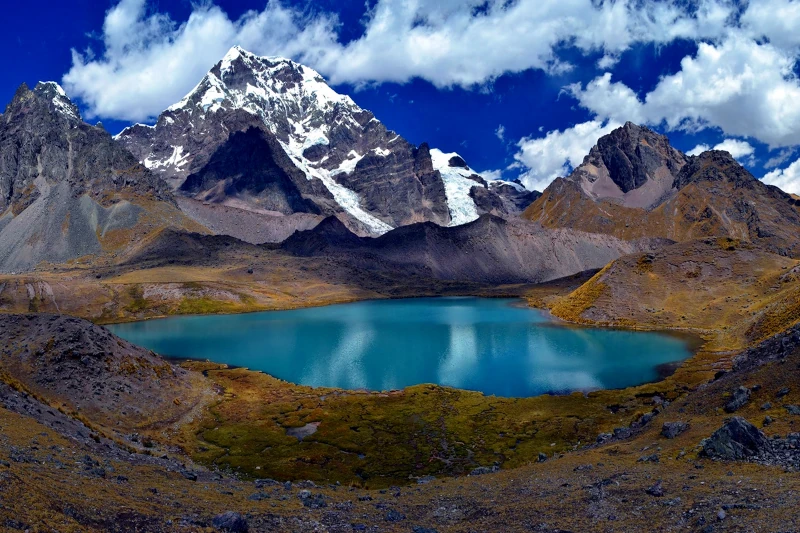
The Ausangate Trek is a challenging but rewarding journey that takes you through glacial lakes, snow-capped peaks, and hot springs. This trek offers a chance to connect with the natural world and the spiritual beliefs of the Andean people. The breathtaking landscapes provide a backdrop for reflection and appreciation of the natural beauty and spiritual essence of the Andes.
Each year, thousands of pilgrims make their way to the mountain for the Qoyllur Rit’i festival, a religious celebration that combines Catholic and indigenous traditions. The trek is not just about physical endurance; it is also about experiencing the spiritual essence of the Andes. Participants join in rituals and celebrations that honor the mountain’s sacredness, fostering a deep connection with the land and its people.
Chinchero, often referred to as the birthplace of the rainbow, is a small Andean village known for its vibrant textiles and traditional weaving techniques. Here, the art of weaving is passed down from generation to generation, preserving ancient patterns and techniques that date back to the Inca era. Visitors to Chinchero can witness the intricate process of transforming alpaca and llama wool into colorful textiles, gaining insight into this time-honored craft.
The village is also home to an impressive archaeological site, featuring Inca terraces and colonial-era churches. These sites offer a window into the past, showcasing the architectural prowess of the Incas and the impact of Spanish colonization. The blend of these influences creates a unique historical narrative that is both fascinating and educational.
Chinchero offers a unique window into the cultural heritage of the Andes. Visitors have the opportunity to engage with local communities, participate in traditional ceremonies, and learn about the customs and beliefs that define this vibrant region. This cultural exchange fosters a deeper appreciation for the rich heritage and enduring traditions of the Andean people.
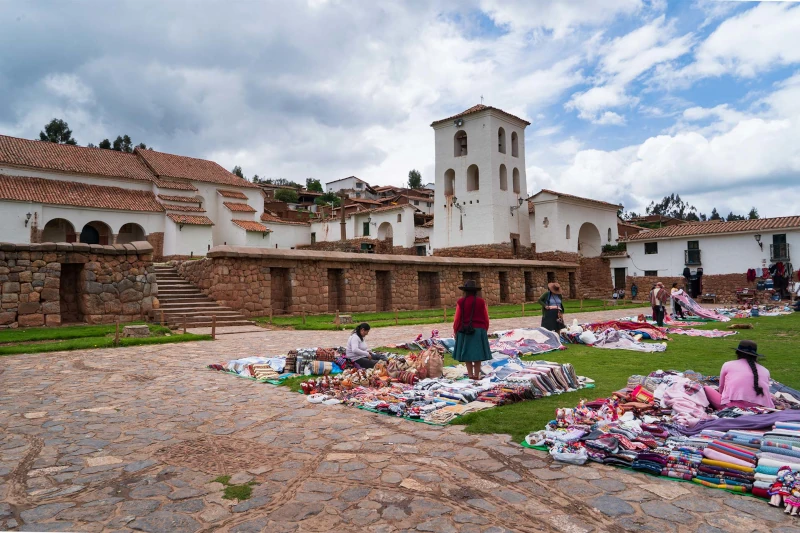
Humantay Lake is a breathtaking glacial lake located at the base of the Humantay Mountain. Its turquoise waters and stunning surroundings make it a popular destination for trekkers and nature lovers. The lake’s serene beauty and pristine environment offer a perfect escape into nature’s tranquility.
The lake is part of the Salkantay Trek, an alternative route to Machu Picchu Peru that offers a more off-the-beaten-path experience. The journey to Humantay Lake is a testament to the diverse landscapes of Peru. As you ascend through rugged terrain, you will be rewarded with panoramic views of snow-capped peaks and pristine wilderness.
The lake is a sacred site for the local people, and visitors are encouraged to respect its natural beauty and spiritual significance. It holds a special place in Andean mythology, believed to be a source of life and a connection to the divine. The spiritual atmosphere of Humantay Lake invites reflection and a deeper connection with the natural world.
Peru’s culture is a rich tapestry of indigenous, Spanish, African, and Asian influences. This diversity is reflected in its music, dance, cuisine, and festivals. The fusion of these cultures has created a unique identity that is distinctly Peruvian. Whether it’s the vibrant rhythms of traditional music or the flavors of Peruvian cuisine, the cultural richness of Peru offers a sensory journey that is both unique and unforgettable.
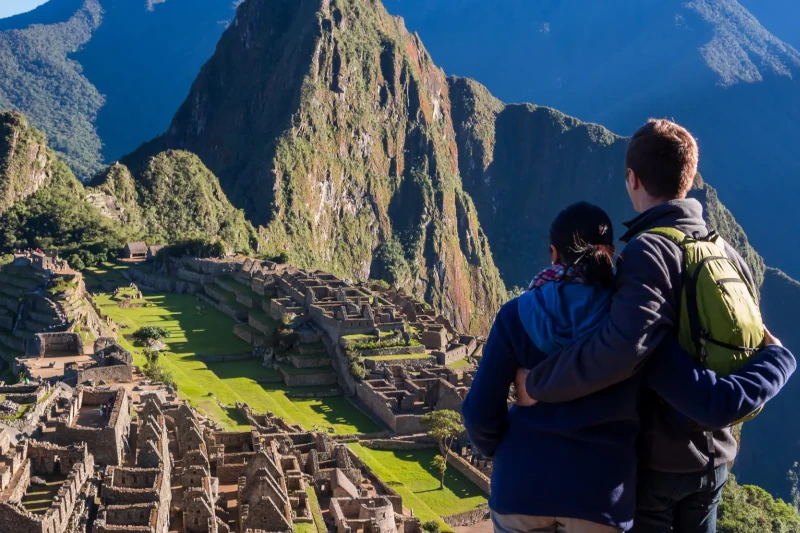
Machu Picchu is one of the most iconic archaeological sites in the world. It is a testament to the engineering prowess of the Inca Empire and offers a glimpse into the life of the Incas. Its remote location and stunning backdrop make it a must-visit destination for travelers. The mystery surrounding its purpose and the breathtaking beauty of its surroundings contribute to its enduring allure and fascination.
The best time for trekking in the Andes is during the dry season, from May to September. During this time, the weather is more predictable, and the trails are less muddy. However, it is important to be prepared for cold temperatures, especially at higher altitudes. Trekking during this period ensures a safer and more enjoyable experience, allowing adventurers to fully appreciate the stunning landscapes and cultural richness of the Andes.
Peru is a land of wonders that captivates the imagination and stirs the soul. From the majestic peaks of the Andes to the vibrant traditions of its people. Peru offers a wealth of experiences that are truly one of a kind. Whether you are trekking through the Sacred Valley or exploring the ancient streets of Cusco. Peru invites you to discover its secrets and share its stories with the world. The country’s rich history, diverse landscapes, and

 Tripadvisor