


Nestled in the majestic Andes of Peru, Humantay Lake is a sight to behold. Its turquoise waters captivate all who visit.
The journey to this natural wonder is part of the renowned Salkantay Trek. This trek is a popular alternative to the Inca Trail.
For beginners, the hike to Humantay Lake presents a unique challenge. The trail is steep and the altitude is high.
Starting at Soraypampa, the trailhead sits at 3,900 meters (12,795 feet). The hike itself is about 1.5 miles (2.4 kilometers) one way.
The elevation gain is significant, reaching 4,200 meters (13,780 feet) at the lake. This makes the hike moderate to challenging.
Altitude sickness is a real concern for many hikers. Proper acclimatization is crucial for a safe experience.
Despite the challenges, the rewards are immense. The breathtaking views and rich biodiversity make it worthwhile.
Understanding the hike’s difficulty helps beginners prepare and appreciate this stunning destination.
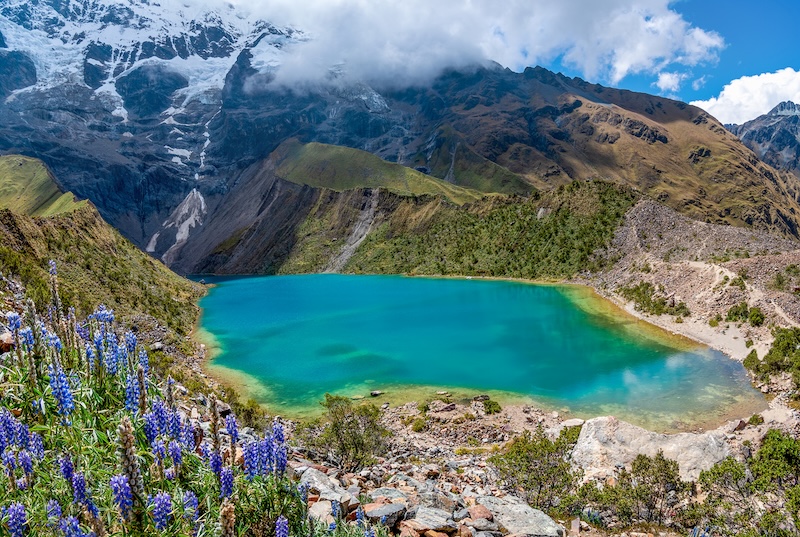
Humantay Lake is a stunning gem hidden in the Andes of Peru. Positioned high amidst rugged peaks, it enchants visitors with its serene beauty. This lake forms a crucial part of the famed Salkantay Trek.
Located near Cusco, the trek starts at Soraypampa. This small locale acts as the launching point for many adventures. At an elevation of around 3,900 meters, Soraypampa is a gateway to natural wonders.
These features make the hike to Humantay Lake not only a physical journey but also a rich cultural experience. Understanding the trek’s location sets the stage for the adventures that await along the trail.
The elevation of Humantay Lake is a critical consideration for hikers. Sitting at about 4,200 meters (13,780 feet), the lake challenges even seasoned adventurers. The altitude can significantly impact your hike experience.
Higher elevations pose unique challenges. At such heights, the air is thin, making breathing harder. This can lead to quicker fatigue and increased heart rates. Acclimatization becomes crucial to tackle these effects.
Hiking at high altitudes demands preparation. Prioritize acclimatization before starting your trek to minimize altitude sickness risks. Spending a few days at the trailhead’s elevation, around 3,900 meters, helps your body adjust.
Remember these key points about high elevation hiking:
For beginners, understanding the elevation impact is essential. Proper acclimatization and precautionary measures ensure a safer, more enjoyable journey to Humantay Lake. Prepare well to fully embrace this breathtaking high-altitude adventure.
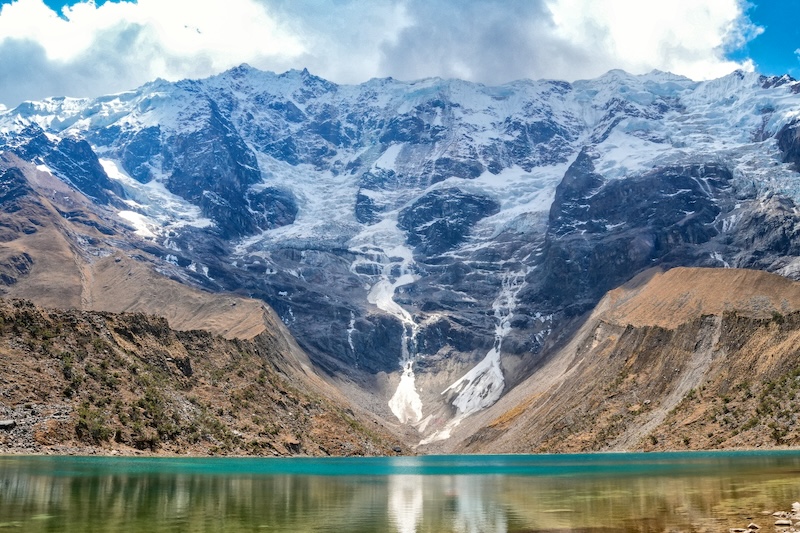
The hike to Humantay Lake offers both a breathtaking view and a bit of a challenge. It’s approximately 1.5 miles (2.4 kilometers) one way but presents a steep ascent. This trek is considered moderate to challenging.
Beginners should be prepared for the elevation gain of around 300 meters (984 feet). The trail can be tough, especially if you’re not used to such inclines. Proper pacing is essential to handle this challenging aspect.
When planning your hike, keep in mind that the path can be rocky and uneven. Firm, supportive footwear is necessary to navigate safely. This is key to minimizing the risk of injuries during your trek.
Expect physical exertion and plan accordingly:
In terms of skill level, even a beginner can complete this hike with preparation. Begin your trek early in the morning when the weather is cooler and the trail less crowded. Take breaks as needed to acclimate and enjoy the scenery.
Remember these important tips for the hike:
The trek to Humantay Lake rewards hikers with unmatched views of turquoise waters and snow-capped peaks. With thoughtful preparation and pacing, beginners can successfully and safely experience this remarkable adventure.
The difficulty of the Humantay Lake hike can be attributed to several key factors. Understanding these elements can help you better prepare and adapt to the challenges presented by the trail. Each hiker’s experience may vary, but these commonalities can guide your expectations.
First, the steepness of the trail is a significant factor. The path’s incline can be challenging for beginners, especially those not accustomed to hiking. Steep sections may require more energy and endurance.
Another critical element is the high altitude, reaching about 4,200 meters (13,780 feet) at the lake. This altitude can impact breathing and cause exhaustion more quickly than at sea level. Beginners may find this particularly challenging without proper acclimatization.
Environmental conditions play their part. Rapid weather changes are common in mountainous areas, affecting visibility and the trail’s condition. Rain can make the path slippery, increasing difficulty.
The terrain itself adds another layer of challenge. Walk on a mix of rocky and sometimes unstable surfaces, requiring sure footing. Navigating through these conditions demands attention and focus.
Factors that affect hike difficulty:
Environmental considerations:
By considering these factors, hikers, especially beginners, can prepare mentally and physically. This preparation helps ensure a safer and more enjoyable trek to the stunning turquoise waters of Humantay Lake.
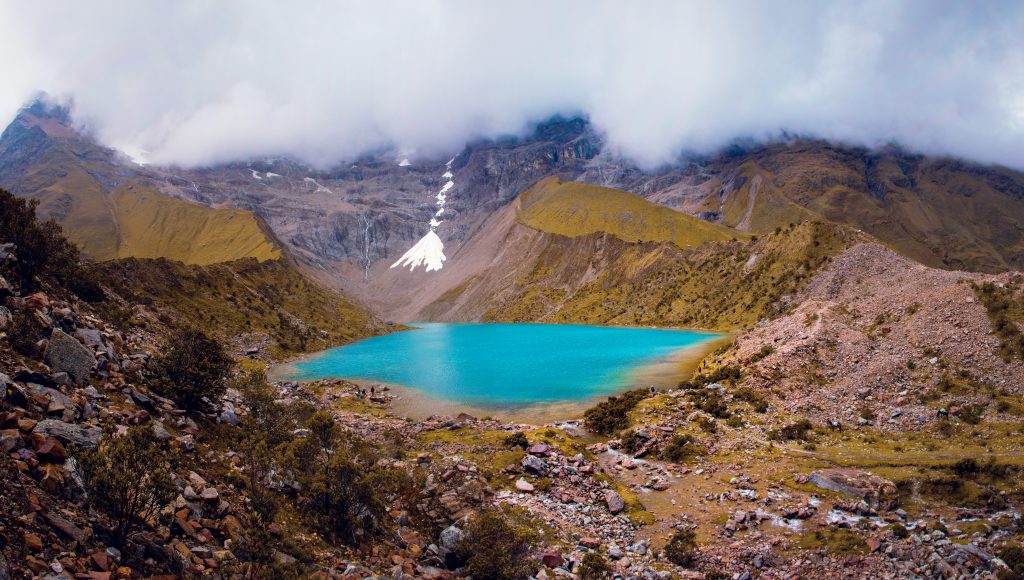
Preparation is key to tackling the Humantay Lake trek successfully, particularly for those new to hiking at high altitudes. By following a few essential tips, beginners can make the experience both safer and more enjoyable.
Start by focusing on physical readiness. Engage in exercises that improve cardiovascular fitness and leg strength. Activities like walking, cycling, and stair climbing can help build endurance and condition your body for the hike.
Pack wisely to ensure comfort and safety on the trail. Select layered clothing to accommodate temperature changes, and wear moisture-wicking materials to stay dry. Proper footwear is crucial; sturdy hiking boots with a good grip can protect your feet and prevent slips.
Don’t forget to manage nutrition and hydration. Bring enough water and snacks to maintain energy levels. Snacks like nuts and dried fruit provide sustained energy during your trek.
Essential items to pack:
Effective strategies for a successful hike:
Remember that preparation goes beyond physical and material readiness. Mental preparation, including setting realistic expectations and adopting a positive mindset, will enhance your experience. With these strategies, beginners can confidently embark on their trek to Humantay Lake.
Acclimatization is crucial when hiking to Humantay Lake, especially given its high elevation. The lake sits at about 4,200 meters, making altitude sickness a genuine concern for hikers.
Altitude sickness can affect anyone, regardless of fitness level. Common symptoms include headaches, dizziness, and shortness of breath. To minimize these risks, acclimatization days are recommended before attempting the hike.
Begin acclimatization by spending time at moderate altitudes. This allows your body to adjust gradually to higher elevations. Stay hydrated, as dehydration can exacerbate altitude sickness symptoms.
Key strategies to combat altitude sickness:
If symptoms worsen, it may be necessary to descend to a lower altitude to recover. Prioritize safety on your journey to ensure a rewarding and memorable experience. By taking appropriate measures, you can enjoy the breathtaking views of Humantay Lake without the discomfort of altitude sickness.
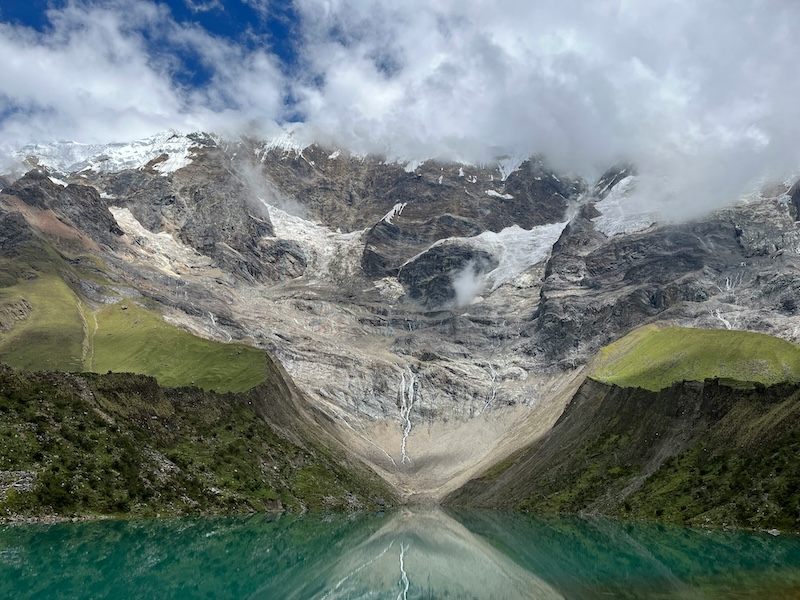
The Humantay Lake trek is not just a hike; it’s an immersion into nature’s marvels. This trail offers a window into the rich biodiversity of the Andes. As you ascend, you’ll encounter an array of unique plant species, each adapted to thrive in high-altitude environments.
Among the flora, you might spot cushion plants and hardy shrubs. These plants have evolved to endure harsh conditions, showcasing nature’s resilience. Their presence adds a vibrant touch to the rocky landscape.
The region is also a birdwatcher’s paradise. Hikers may catch glimpses of the magnificent Andean condor soaring above. Hummingbirds flit between blossoms, their iridescent feathers catching the light. These sightings are a testament to the area’s ecological importance.
Key wildlife highlights include:
Conservation is critical to preserve this biodiversity. Supporting local initiatives helps maintain these ecosystems for future generations. By appreciating the natural wonders of Humantay Lake, hikers become advocates for protecting this precious environment. Each step on the trail is a reminder of the delicate balance we must uphold in our world’s wild places.
Deciding between a guided tour and hiking independently to Humantay Lake can be crucial for beginners. Guided tours provide several advantages, especially in unfamiliar terrain. They offer structured itineraries, ensuring you don’t miss key highlights and safety precautions.
Opting for a guide means benefiting from their local knowledge. They can share insights about the region’s ecology and culture, enriching your experience. Additionally, guides are trained to handle emergencies, making the trek safer for novices.
Here are a few key differences to consider:
Independent hiking can appeal to those seeking more flexibility and a personal journey. However, it requires good preparation and awareness of the challenges posed by the high altitude. Beginners should weigh these factors carefully before deciding the best approach for their Humantay Lake adventure.
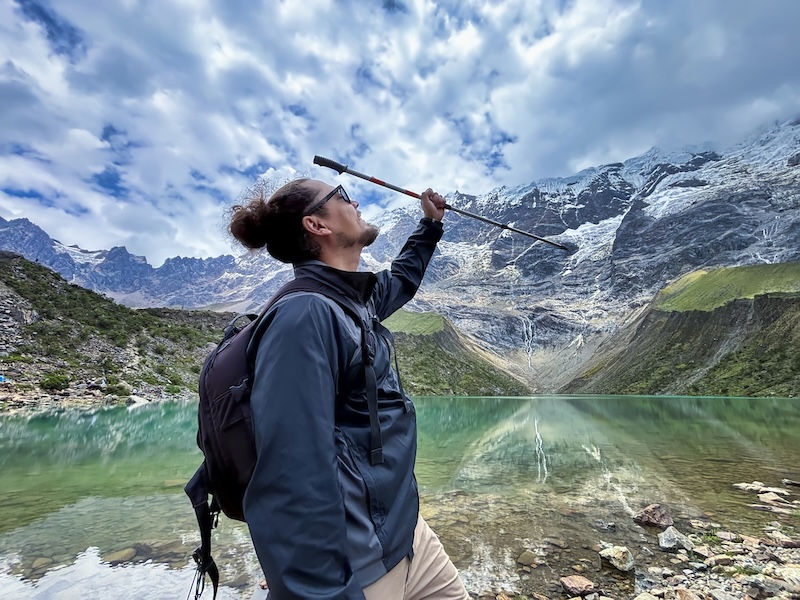
Choosing the right season to hike to Humantay Lake is important for a pleasant experience. The dry season, from May to September, offers ideal conditions. During these months, trails are less muddy, and visibility is excellent for stunning views.
Rainy seasons, on the other hand, make the trails slippery and challenging. Heavy rains are common from November to March, posing difficulties for beginners.
Key points to consider about hiking seasons:
Trekking responsibly to Humantay Lake involves more than just following a trail. It’s about supporting conservation efforts and helping local communities. These pristine environments rely on our care to remain beautiful and vibrant.
When hikers respect the natural world, they contribute to preserving delicate ecosystems. Staying on designated paths minimizes damage to the flora and fauna. This simple act helps protect the environment for future generations.
Supporting the communities around Humantay Lake is also crucial. Engaging local guides not only enriches your hiking experience but boosts the local economy.
Ways to be a responsible trekker:
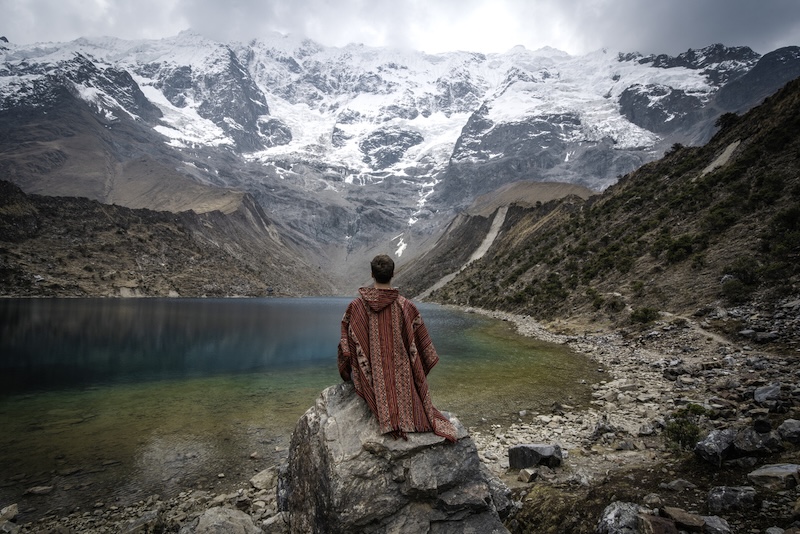
The Humantay Lake hike offers a unique adventure for those new to trekking. Its stunning vistas are unparalleled, making the effort worthwhile. Beginners will find themselves captivated by the lake’s vibrant turquoise waters and mountain views.
Despite its challenges, the experience of traversing this trail brings a profound sense of accomplishment. Navigating the path provides a chance to connect deeply with nature. Such opportunities highlight the importance of preserving these beautiful landscapes.
Overall, the hike to Humantay Lake is more than just a physical journey. It’s an encounter with the natural world’s majesty and complexity. Beginners should embark with preparation and respect for the trail, ensuring a rewarding and enriching journey.

 Tripadvisor