


Nestled in the heart of Peru, amidst the breathtaking landscapes of the Sacred Valley, lies Tambomachay, one of the most intriguing remnants of the Incan Empire. Often overshadowed by more famous sites like Machu Picchu and Sacsayhuaman, Tambomachay offers a unique glimpse into the past, showcasing the ingenuity and spiritual depth of the Inca civilization. This site stands as a testament to the architectural prowess and the deep cultural traditions of the Incas, inviting visitors to explore its mysteries and appreciate its serene beauty.
The Sacred Valley of the Incas, stretching from Pisac to Ollantaytambo, is a region rich in history and cultural significance. It is flanked by majestic Andean peaks and is nourished by the Urubamba River, which winds its way through the valley. This river not only provided water for agriculture but also served as a means of transportation and communication within the empire. The fertile lands of the valley were ideal for growing a variety of crops, including maize and potatoes, which were staples of the Incan diet.
The Sacred Valley was more than just a beautiful landscape; it was a strategic hub for the Inca Empire. The high altitude of the region made it a natural fortress, providing defense against invaders. The Incas established a network of settlements, fortresses, and agricultural terraces throughout the valley to maximize its potential. These structures demonstrated the Incas’ advanced understanding of engineering and their ability to adapt to challenging environments.
In addition to its agricultural and military significance, the Sacred Valley was a vibrant center of cultural exchange. It was a melting pot where different ethnic groups within the Incan Empire interacted and shared their traditions. This exchange enriched the cultural tapestry of the region, blending customs, languages, and crafts. The valley became a place where art, religion, and innovation flourished, leaving a lasting legacy that continues to captivate historians and archaeologists today.
Tambomachay is located about 8 kilometers (approximately 5 miles) northeast of Cusco, the historic capital of the Incan Empire. Situated at an altitude of approximately 3,700 meters (12,140 feet), this archaeological site is a testament to the architectural and hydraulic skills of the Incas. Its proximity to Cusco suggests that it played an important role in the life of the Incan elite, possibly serving as a retreat or a place of worship.
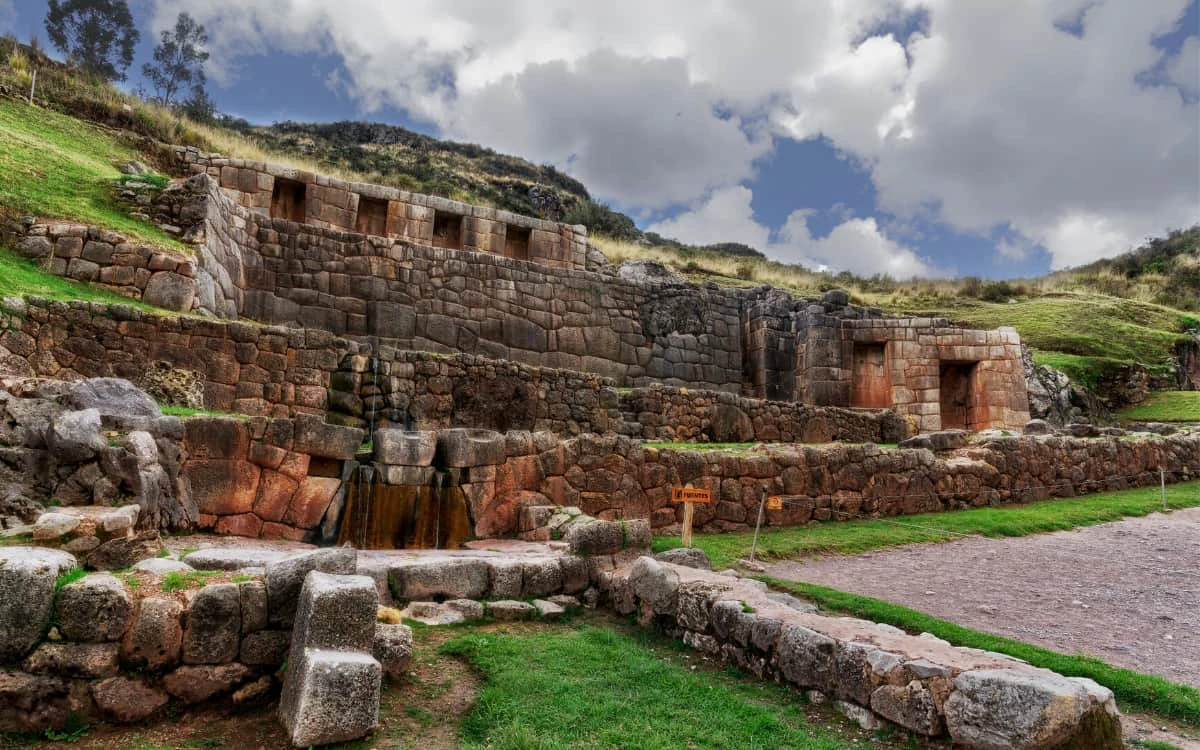
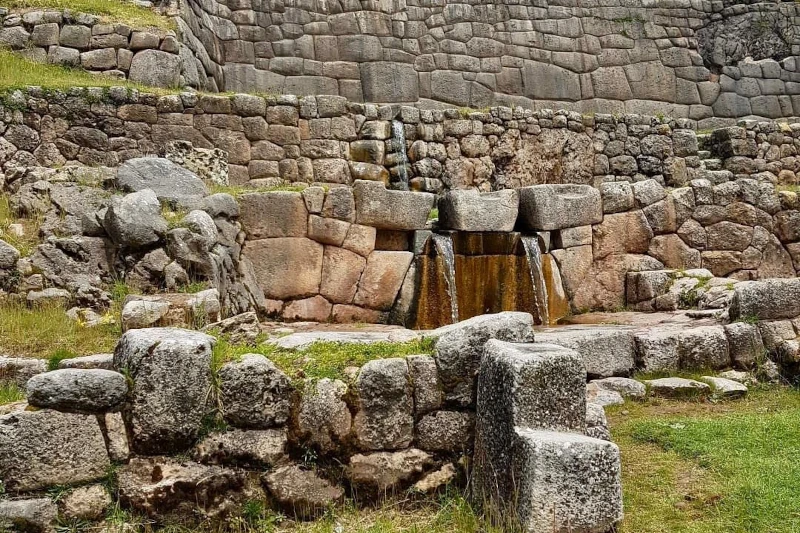
The Tambomachay ruins consist of a series of aqueducts, canals, and waterfalls that run through terraced rocks. The precise purpose of Tambomachay remains a subject of debate among historians and archaeologists. Some suggest it was a site for ritualistic bathing, a place where the Incan elite could cleanse themselves spiritually. Others believe it served as a military outpost, strategically positioned to protect the capital. A third theory posits that it was a retreat for the Inca elite, a tranquil space for rest and reflection.
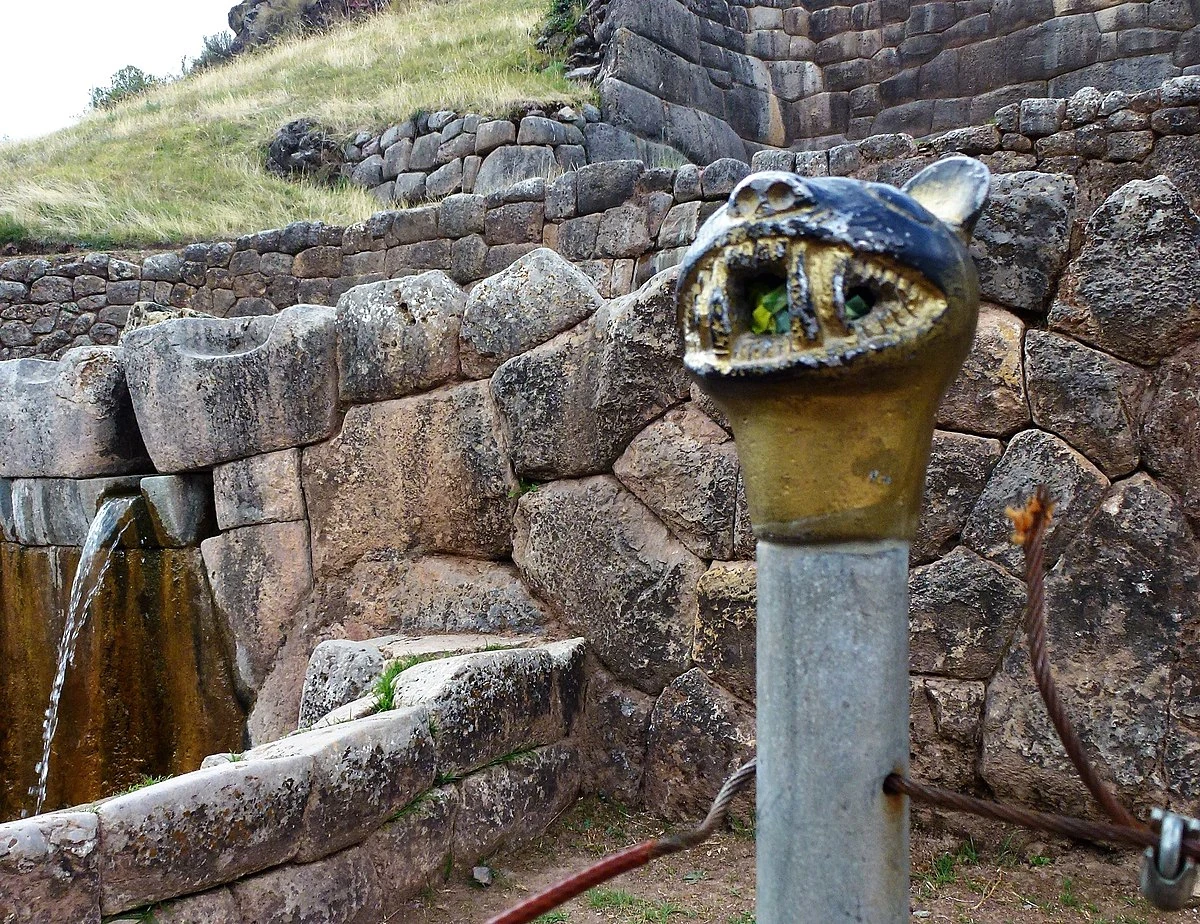
Tambomachay is a marvel of engineering, showcasing the Incas’ mastery of water management. The aqueducts and channels were meticulously crafted from stone, demonstrating an understanding of hydraulics that was advanced for the time. The Incas were able to manipulate natural resources to create a harmonious blend of architecture and nature. The water still flows through the site today, a testament to the durability and precision of Incan engineering.
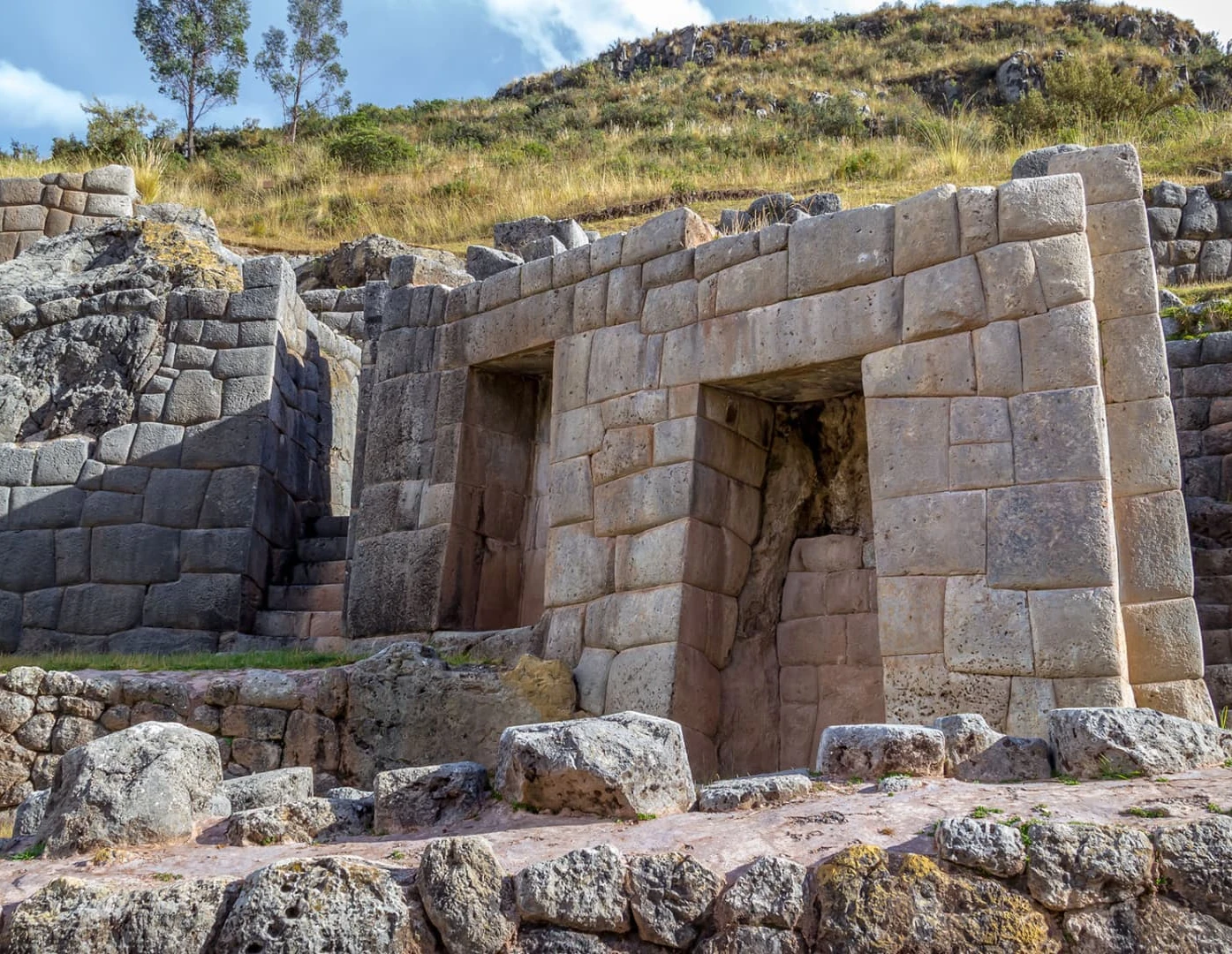
The Incan Empire was renowned for its advanced engineering and architectural capabilities. Tambomachay is a prime example of these skills. The site’s water management system, which includes aqueducts and channels crafted from stone, illustrates the Incas’ understanding of hydraulics and their ability to manipulate natural resources to their advantage. The precision with which the stones were cut and fitted together is a hallmark of Incan architecture, reflecting a deep respect for nature and a commitment to sustainable building practices.
Tambomachay’s intricate waterworks may have had a spiritual connection to Qoricancha, the Temple of the Sun, located in Cusco. Qoricancha was the most important temple in the Incan Empire, dedicated to Inti, the Sun God. The flowing waters of Tambomachay could symbolize purification and rejuvenation, themes closely associated with Incan religious practices. The spiritual link between these sites highlights the Incas’ belief in the interconnectedness of nature, spirituality, and daily life.
Water held great significance in Incan society, both as a practical resource and a spiritual symbol. The Incas revered water as a life-giving force, essential for agriculture and survival. It was also seen as a purifying element, used in rituals to cleanse the soul and renew the spirit. Tambomachay exemplifies this dual role, serving as both a functional water management system and a site of spiritual significance.
Visitors to Tambomachay can expect a serene and contemplative experience. The site is surrounded by lush greenery and offers panoramic views of the surrounding mountains. The tranquility of the area provides a perfect setting for reflection and appreciation of the Incan legacy. As you wander through the ruins, you’ll feel a sense of connection to the past, an opportunity to step back in time and imagine life in the Incan Empire.
When planning a visit to Tambomachay, it’s essential to consider the high altitude. Acclimatization is crucial to avoid altitude sickness. Take it slow, stay hydrated, and allow yourself time to adjust to the elevation. The site is accessible by a short hike from the main road, making it an ideal stop for those exploring the Sacred Valley. Be sure to wear comfortable shoes and bring a hat and sunscreen, as the sun can be intense at this altitude.
In addition to Tambomachay, the Sacred Valley is home to several other notable Incan sites. Pisac, with its impressive agricultural terraces and bustling market, offers a glimpse into traditional Andean life. Sacsayhuaman, with its massive stone walls, showcases the engineering prowess of the Incas. A visit to these sites, combined with Tambomachay, provides a comprehensive understanding of the Incan Empire’s reach and influence. Each site offers a unique perspective on the culture and achievements of this remarkable civilization.
For a deeper understanding of Tambomachay and its significance, consider joining a guided tour. Local guides offer invaluable insights into the history and culture of the site, enriching your visit with stories and interpretations that bring the ruins to life. Tours often include visits to nearby attractions, providing a holistic view of the Sacred Valley and its place in Incan history. Engaging with local experts can enhance your appreciation of the site and its enduring legacy.
Today, Tambomachay is a protected archaeological site, attracting visitors from around the world who seek to explore the mysteries of the Incan Empire. Efforts to preserve the site are ongoing, ensuring that future generations can continue to marvel at its beauty and historical significance. Conservation programs aim to protect the delicate stone structures and maintain the natural landscape, balancing tourism with preservation.
For the local communities, Tambomachay holds cultural and spiritual importance. It serves as a reminder of their rich heritage and the enduring legacy of the Incas. Festivals and ceremonies are occasionally held at the site, honoring the traditions of their ancestors. These events provide a glimpse into the vibrant cultural life of the region and offer visitors a chance to experience the living traditions of the Andean people.
Tambomachay is also a focal point for academic research and education. Scholars and archaeologists continue to study the site, uncovering new insights into Incan engineering, society, and religion. Educational programs and partnerships with local schools promote awareness and appreciation of the site’s historical and cultural significance. By engaging with the local community and fostering international collaboration, these initiatives ensure that Tambomachay remains a source of knowledge and inspiration.
Tambomachay, with its enigmatic ruins and serene setting, is truly a hidden gem of the Incan Empire. It offers a unique opportunity to step back in time and explore the advanced engineering and spiritual depth of the Incas. Whether you’re a history enthusiast, a nature lover, or simply someone seeking a deeper connection with the past, Tambomachay is a destination that promises to enrich your understanding of this fascinating civilization.
As you plan your journey through the Sacred Valley, be sure to include Tambomachay on your itinerary. Its tranquil beauty and historical significance make it a must-see destination for anyone exploring the wonders of the Incan Empire. The site invites you to discover its secrets and reflect on the enduring legacy of the Incas, offering a journey through history that is both enlightening and inspiring.

 Tripadvisor