


Machu Picchu, the legendary Incan citadel nestled high in the Andes Mountains of Peru, is a wonder that beckons travelers from around the world. Understanding the weather in Machu Picchu is crucial for planning your visit, ensuring you experience its breathtaking beauty under optimal conditions. This guide will help you navigate the climatic nuances of this historic site, ensuring you arrive at the best possible time for your adventure.
Machu Picchu’s climate is influenced by its unique geographical location and altitude. This section will delve deeper into these aspects, helping you grasp the intricacies of its weather patterns.
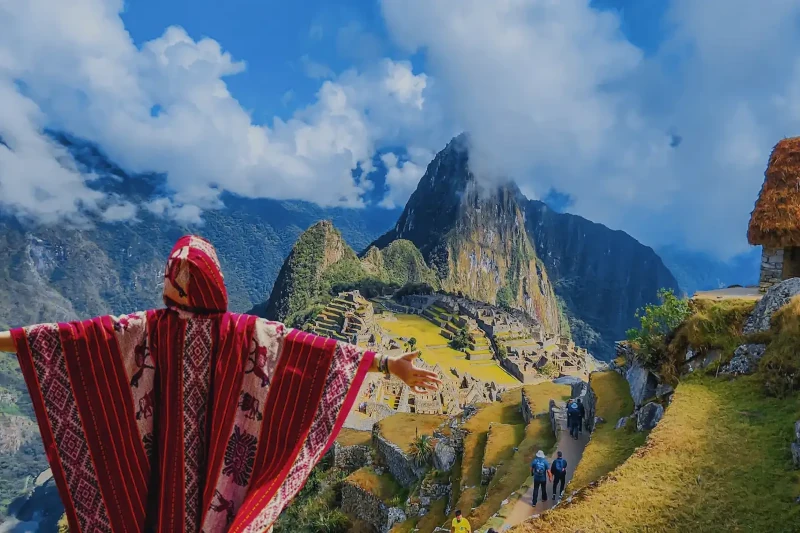
Situated at approximately 7,970 feet (2,430 meters) above sea level, Machu Picchu is ensconced in the Andean mountain range. This positioning contributes to its subtropical highland climate. The surrounding peaks and valleys create microclimates that can result in varied weather conditions within a short distance. The Andean range acts as a barrier to moisture-laden winds, influencing precipitation patterns and contributing to the distinct wet and dry seasons.
The altitude at Machu Picchu plays a significant role in its climate. At this elevation, the air is thinner, which means temperature fluctuations can be more pronounced. During the day, sunlight can lead to warm temperatures, but as soon as the sun sets, the mercury can drop rapidly. Visitors often experience cooler nights, and this temperature variance can impact what you need to wear and bring along for comfort.
Weather at Machu Picchu can vary significantly throughout the day. Mornings might start with a mist that lifts as the sun rises, giving way to clear, sunny skies. By afternoon, clouds may gather again, leading to cooler temperatures and potential showers. It’s important to be prepared for these changes by dressing in layers and keeping rain gear handy.
Machu Picchu experiences two distinct seasons: the dry season and the wet season. Each brings its own charm and challenges, and understanding these can help you decide the best time to visit Machu Picchu.
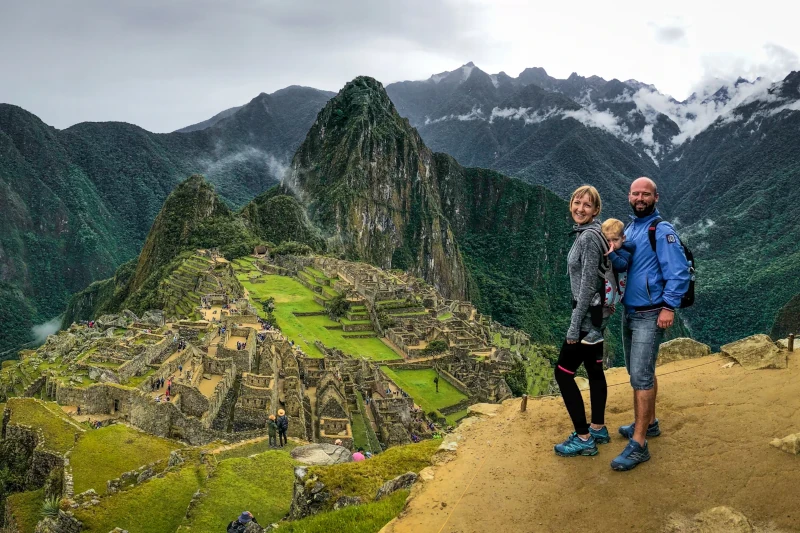
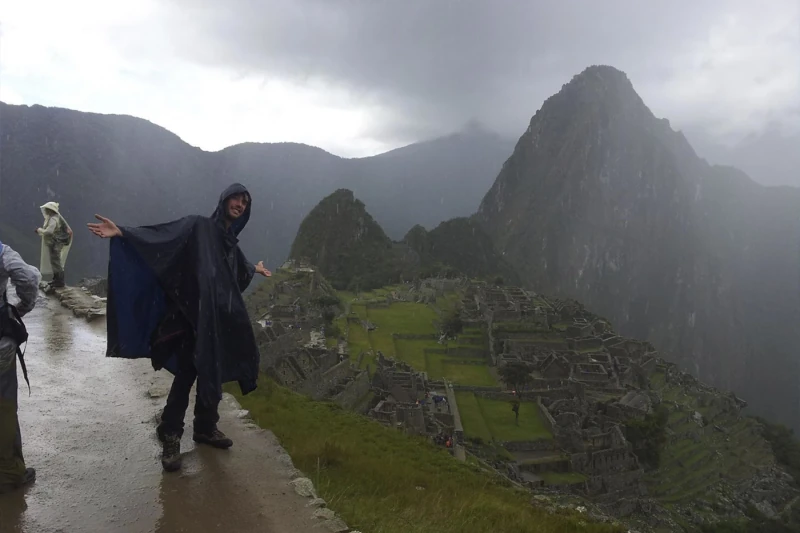
Understanding the monthly weather patterns to guide to Machu Picchu can further refine your travel plans, ensuring you choose the ideal time to visit.
The high altitude of Machu Picchu can lead to rapid changes in weather, especially as you ascend higher peaks like Huayna Picchu. Temperatures can drop significantly, and sudden weather changes are common. Dressing in layers is essential to adjust to these fluctuations, and visitors should be mindful of potential altitude sickness, staying hydrated and acclimatizing appropriately.
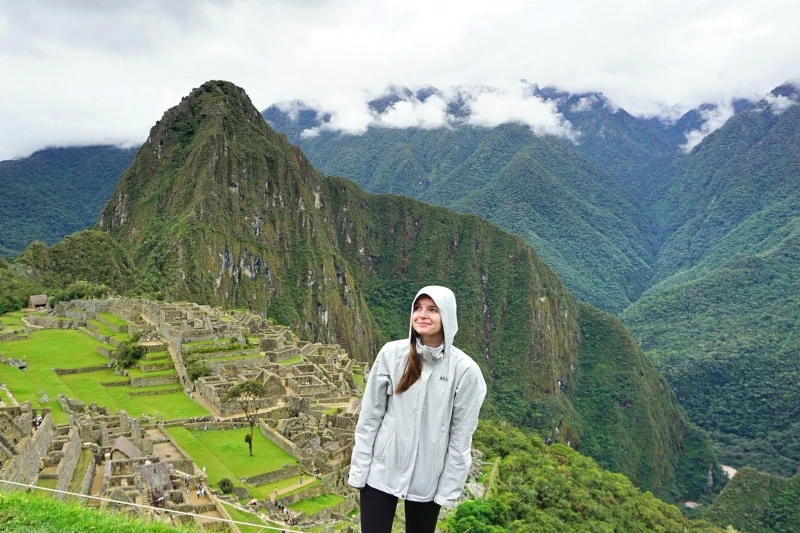
When planning your journey visit to Machu Picchu, it’s important to consider additional factors that can impact your experience.
Aguas Calientes, the town at the base of Machu Picchu, experiences similar weather patterns to the citadel. It’s essential to check the weather forecast for both locations to ensure a seamless journey. The town offers a range of accommodations and services, making it a convenient base for exploring the region. A great example is de Belmond Sanctuary Lodge Hotel.
One of Machu Picchu’s most famous features, the Intihuatana stone, is best experienced when the skies are clear. This ancient sundial, believed to have been used by the Incas to predict solstices and other celestial events, requires unobstructed views for the best experience. Planning your visit during clear weather enhances the opportunity to fully appreciate this remarkable artifact.
Machu Picchu is not just a site of natural beauty but also a place rich in history and culture. Understanding its significance and respecting its heritage is crucial. Engaging with local guides can provide deeper insights into the Incan civilization and enhance your appreciation of the site. Additionally, consider the impact of your visit on the local community and environment, striving for sustainable and responsible tourism practices.
Machu Picchu tickets, especially those for Huayna Picchu, sell out quickly, particularly during the dry season. Booking your tickets as early as possible ensures you secure a spot and helps avoid last-minute disappointments. Consider booking through reputable sources or directly through official channels to guarantee authenticity.
The key to a comfortable visit is packing the right gear. Bring layers of clothing to accommodate temperature fluctuations throughout the day. Don’t forget essentials like a hat, sunscreen, and a rain poncho to protect against the elements. Comfortable footwear is crucial, especially if you plan to hike the trails around the site.
If you intend to hike Huayna Picchu or Machu Picchu Mountain, start early in the day to avoid the afternoon showers that are more common during the wet season. Early starts also allow you to witness the sunrise, a magical experience that adds to the site’s allure. Make sure to follow designated trails and respect safety guidelines to ensure a safe and enjoyable hike.
The Cusco altitude at Machu Picchu can lead to dehydration more quickly than you might expect. It’s important to drink plenty of water throughout your visit to stay hydrated and avoid altitude sickness. Carry a reusable water bottle and refill it as needed to reduce plastic waste and support sustainable tourism efforts.
Ultimately, the best time to visit Machu Picchu depends on your personal preferences and travel priorities. If you prefer clear skies and don’t mind sharing the site with other visitors, the dry season is your best bet. However, if you seek a more tranquil experience and don’t mind a bit of rain, the wet season offers a unique charm.
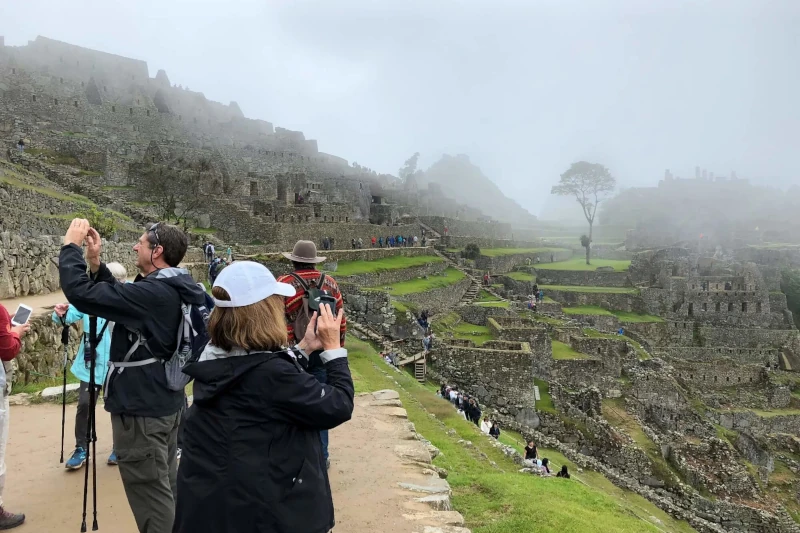
In either season, Machu Picchu’s majesty is undeniable, promising an unforgettable journey into the heart of Incan history and culture. With thoughtful planning and an understanding of the weather, your visit to this iconic site will be a memorable adventure. Whether you’re drawn to the vibrant greenery of the wet season or the clear vistas of the dry season, Machu Picchu’s timeless allure will captivate your spirit and leave you with lasting memories.

 Tripadvisor