


The Seven Lagoons of Ausangate, nestled within the heart of the Peruvian Andes, offer a breathtaking glimpse into a world where crystalline waters reflect the heavens and rugged mountains cradle diverse ecosystems teeming with life. This region is a sanctuary for ecologists and wildlife enthusiasts, providing an unparalleled opportunity to explore a living tapestry of ecological complexity and biodiversity. The lagoons are not only a visual spectacle but also an emblem of the intricate balance of nature, where every element plays a crucial role in maintaining the ecological harmony.
This natural wonderland is a convergence of diverse habitats that support a wide range of flora and fauna, each contributing to the area’s biological richness. The lagoons, with their pristine waters, serve as a vital resource for both the wildlife that thrives here and the local communities that depend on them. The unique interplay of these ecosystems creates a mesmerizing mosaic of life that captivates all who venture into this high-altitude paradise.
The Ausangate trek, renowned for its challenging yet rewarding paths, is a journey through one of the most ecologically rich and culturally significant landscapes in the world. Spanning approximately 70 kilometers, this trek is not only a test of endurance but also an opportunity to witness the intricate interplay of natural forces that shape the environment. Traversing this terrain offers trekkers a chance to immerse themselves in the dramatic beauty of snow-capped peaks, vibrant lagoons, and expansive valleys.
Beyond its physical demands, the trek is a cultural odyssey, offering insights into the traditional ways of life that have persisted in harmony with nature for centuries. The local communities, primarily of Quechua descent, offer a window into ancient customs and sustainable practices that have allowed them to thrive in this rugged environment. Their deep spiritual connection to the land is evident in every aspect of their daily lives, from the alpaca herding practices to the vibrant textiles that tell stories of their ancestors.
Guided tours are indeed available and highly recommended for those wishing to explore the Seven Lagoons. These tours not only ensure safety in the challenging terrain but also enrich the experience with expert insights into the region’s unique flora and fauna. Knowledgeable guides share stories of local legends, the significance of the lagoons in Andean culture, and the conservation efforts underway to protect this fragile ecosystem.
Engaging with a guided tour allows visitors to gain a deeper understanding of the natural and cultural heritage of the region. Guides are often locals who possess an intrinsic knowledge of the landscape, offering a personal perspective that enhances the trekking experience. They are adept at identifying rare species, explaining the ecological significance of the lagoons, and recounting the myths and legends that have been passed down through generations.
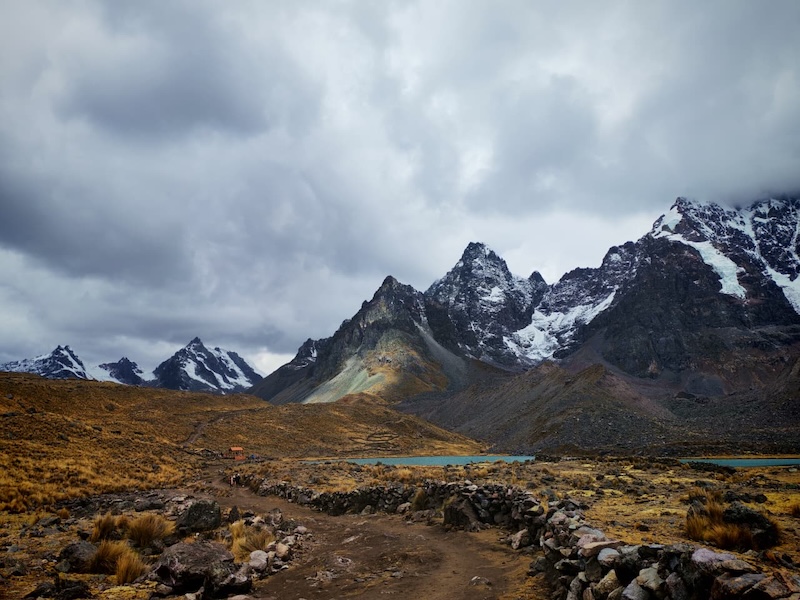
The Seven Lagoons, each with its unique hue and character, are more than just scenic wonders. They represent ecological havens that support a myriad of life forms, both aquatic and terrestrial. These lagoons, fed by glacial meltwaters, are crucial for sustaining biodiversity, acting as vital water sources for wildlife and local communities. Their crystal-clear waters reflect the changing skies, creating a dynamic and ever-changing landscape that captivates all who behold it.
These lagoons are interconnected by a network of streams and rivers, forming a complex hydrological system that supports a diverse range of species. The surrounding vegetation, adapted to the high-altitude conditions, includes rare and endemic plants that add to the region’s botanical diversity. This intricate web of life is a testament to the resilience and adaptability of nature in the face of environmental challenges.
Each lagoon exhibits distinct ecological characteristics, supporting varied life forms, including endemic plant species and avian populations. Birds such as the Andean goose, the crested duck, and the iconic Andean condor are often spotted here, thriving in the rich, undisturbed habitats provided by the lagoons. The presence of these species is a testament to the lagoons’ health and the broader ecological integrity of the region.
These water bodies act as critical stopover sites for migratory birds, offering rest and replenishment during their long journeys across the continent. The abundance of aquatic life also provides sustenance for a variety of other species, creating a complex food web that highlights the interconnectedness of the ecosystem. The lagoons’ role as biodiversity hotspots underscores the importance of preserving these natural treasures for future generations.
Bird species inhabiting the lagoons have evolved remarkable adaptations to thrive in the high-altitude environment. For instance, the Andean condor, with its impressive wingspan, exploits thermal uplifts to soar effortlessly over the rugged terrain, while the Andean goose has adapted to graze on aquatic vegetation, maintaining a delicate balance within the ecosystem. These adaptations illustrate the resilience and ingenuity of life in extreme conditions, highlighting the importance of preserving these unique habitats for future generations.
The behavioral adaptations of these birds are equally fascinating, with many species exhibiting complex social structures and cooperative breeding behaviors. Such adaptations not only enhance their survival but also contribute to the richness of the avian community in the region. The presence of these birds serves as an indicator of the overall health of the ecosystem, emphasizing the need for continued conservation efforts to protect their habitats.
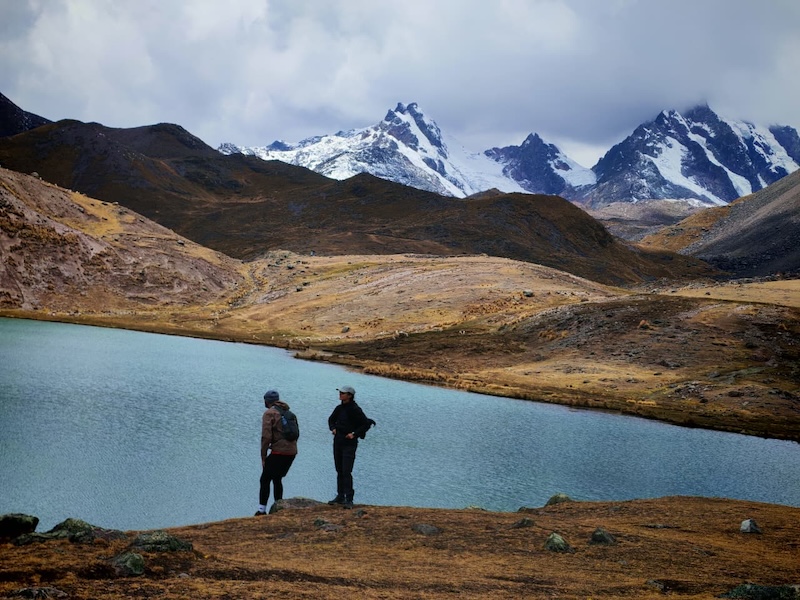
Despite the apparent serenity of the Seven Lagoons, the region faces significant conservation challenges. Climate change poses a threat to the delicate equilibrium of the glacial and aquatic systems, with receding glaciers potentially altering the hydrology of the lagoons. Additionally, increasing tourist footfall, if not managed sustainably, could lead to habitat degradation and biodiversity loss. The pressures of development and resource extraction also loom over the region, necessitating proactive measures to safeguard its ecological integrity.
To combat these threats, a multifaceted approach to conservation is essential. This involves addressing both the direct and indirect impacts of human activities, such as pollution and habitat fragmentation, while also promoting sustainable development practices that support local communities. Effective conservation strategies must be adaptive and resilient, capable of responding to the changing conditions brought about by climate change and other environmental pressures.
Conservation efforts in the Ausangate region involve a collaborative approach, engaging local communities, ecotourism operators, and conservation organizations. Education and awareness programs aim to instill a sense of stewardship among locals and visitors alike, emphasizing the role of sustainable practices in preserving the lagoons’ natural beauty and ecological function. Innovative initiatives, such as eco-friendly trekking practices and community-led monitoring programs, are being implemented to safeguard the region’s biodiversity.
These efforts not only protect the environment but also empower local communities, providing them with sustainable livelihoods and reinforcing the cultural significance of the land. By involving local stakeholders in conservation initiatives, there is a greater chance of achieving long-term success, as these communities have a vested interest in the health and vitality of their environment. Collaborative conservation models offer a blueprint for balancing ecological preservation with human development, ensuring a sustainable future for the Seven Lagoons.
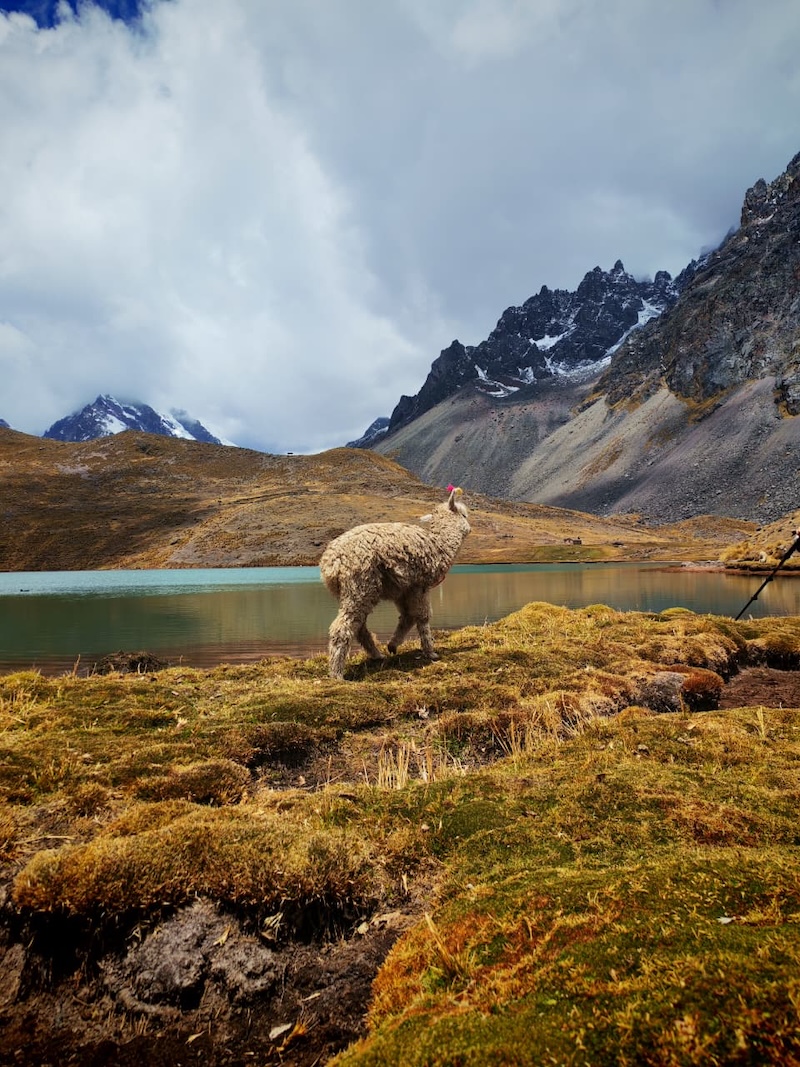
Ecotourism plays a pivotal role in the conservation of the Seven Lagoons and the broader Ausangate region. By fostering a deeper connection between visitors and the natural world, ecotourism encourages a conservation ethic that extends beyond the boundaries of the trek. It provides an economic incentive for preserving the environment, offering an alternative to resource extraction and unsustainable practices that can harm the landscape.
Ecotourism can serve as a powerful tool for conservation education, raising awareness about the ecological and cultural significance of the region. By promoting responsible travel practices, such as minimizing waste and respecting local customs, ecotourism helps to mitigate the potential negative impacts of increased visitation. As more people experience the beauty and fragility of the Seven Lagoons, there is a growing recognition of the need to protect these irreplaceable natural assets.
Ecotourism guides, trained in environmental science and conservation, are instrumental in translating complex ecological concepts into engaging narratives. By highlighting the ecological roles of bird species, explaining the significance of glacial-fed lagoons, and sharing conservation success stories, guides enhance the visitor experience and promote a deeper appreciation for the region’s biodiversity. In doing so, they not only enrich the visitor experience but also contribute to a broader understanding and support for conservation initiatives.
Through interactive educational experiences, visitors are encouraged to become advocates for the environment, carrying the lessons learned from their travels back to their own communities. This ripple effect can lead to greater environmental awareness and action worldwide, reinforcing the importance of protecting places like the Seven Lagoons. By bridging the gap between science and storytelling, ecotourism guides play a crucial role in fostering a global conservation movement.
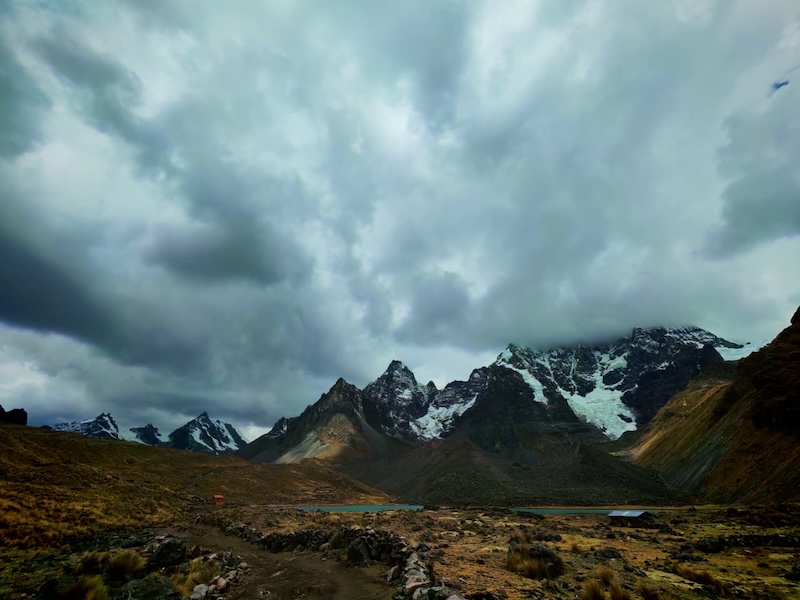
The Seven Lagoons of Ausangate represent more than just a destination; they are a living testament to the beauty and complexity of nature. As stewards of this incredible landscape, it is our responsibility to ensure its protection for future generations. Through sustainable tourism practices, collaborative conservation efforts, and a commitment to raising awareness, we can safeguard these ecological jewels and the myriad life forms they support.
Let us embrace this challenge with the urgency it demands, recognizing that our actions today will shape the legacy we leave for tomorrow. Together, we can preserve the natural wonders of the Ausangate region, ensuring that the Seven Lagoons continue to inspire awe and wonder in all who have the privilege to witness their majesty. By acting collectively and decisively, we can ensure that these sacred landscapes remain a beacon of hope and resilience in a rapidly changing world

 Tripadvisor