


Rainbow Mountain, with its layers of sedimentary rock in vibrant hues of red, yellow, and turquoise, owes its kaleidoscopic appearance to mineral deposits over millions of years. These colors are the result of weathering processes acting on sedimentary layers rich in iron oxide (red and yellow) and other minerals like copper and sulfate, which lend the mountain its green and turquoise tones. The geological history of this region is a fascinating tale of tectonic shifts and natural artistry, where every layer tells a story of Earth’s ancient past.
The journey to this natural wonder is as awe-inspiring as the destination itself. Travelers traverse the rugged terrain of the Peruvian Andes, with each twist and turn offering glimpses of the diverse flora and fauna that inhabit this region. The path to Rainbow Mountain is a pilgrimage through time and nature, with every step revealing new facets of the landscape’s beauty and complexity.
From the snow-capped peaks to the verdant valleys, the trek challenges and rewards adventurers with its breathtaking vistas and the promise of the rainbow-colored summit.

Rainbow Mountain is not only a geological masterpiece but also a site of cultural importance. For centuries, local indigenous communities have revered this mountain as a sacred place, incorporating its beauty and symbolism into their spiritual practices and folklore. The mountain stands as a testament to the enduring relationship between people and the land, where cultural narratives and natural wonders intertwine.
Visitors are encouraged to respect these traditions and learn from the rich cultural tapestry that surrounds this iconic landmark.
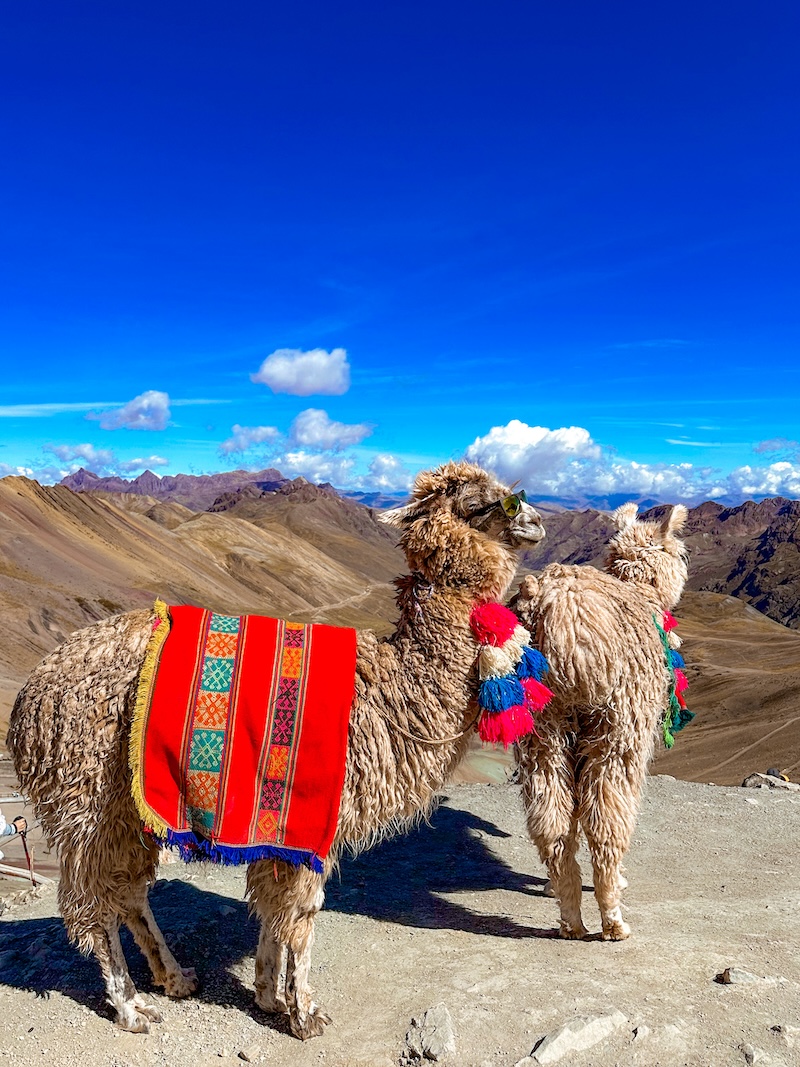
For those engaged in wildlife conservation, Rainbow Mountain and its surrounding areas represent an invaluable ecosystem teeming with life. The harsh yet resilient environment supports a range of species uniquely adapted to high-altitude living. Among these are the camelid family members like llamas and alpacas, which have evolved over thousands of years to thrive in the thin air and cold climate.
These animals play crucial roles in local agriculture and are central to the cultural identity of Andean communities.
The region is a sanctuary for various bird species, including the Andean Condor, one of the largest flying birds in the world, and the elusive, vibrantly colored Mountain Caracara. These avian inhabitants are not mere bystanders in the landscape but integral components of the ecological tapestry. Their presence indicates the health of the ecosystem, and their behaviors offer insights into the intricate interdependencies that sustain life in these high-altitude environments.
Birdwatchers and ecologists alike find the area a rich field for observation and study, contributing valuable data to conservation efforts.
The ecosystems surrounding Rainbow Mountain are interconnected and interdependent. High-altitude wetlands, known as bofedales, play a crucial role in water regulation and provide habitats for a variety of species. These ecosystems are sensitive to climate change and human activity, making their conservation a priority.
Efforts to preserve these habitats involve collaboration between scientists, local communities, and government agencies, highlighting the importance of sustainable practices in maintaining ecological balance.
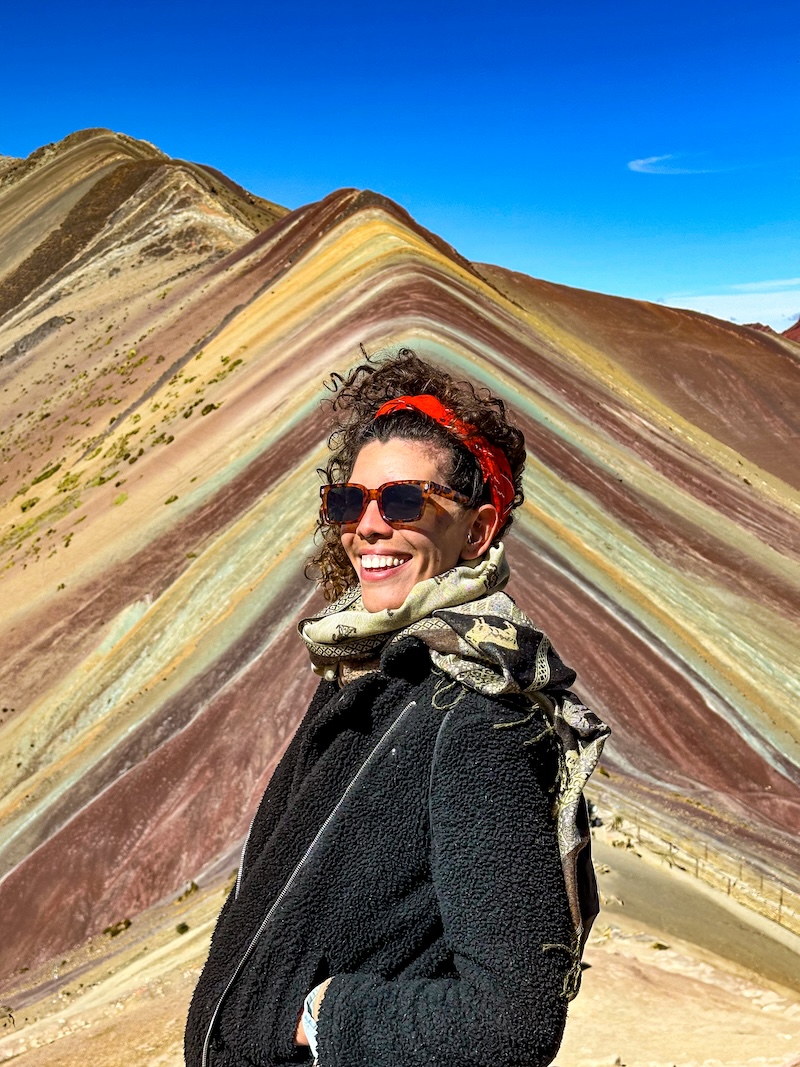
Embarking on a Rainbow Mountain tour from Cusco is more than a trek through stunning landscapes; it is a journey into the heart of nature’s resilience and adaptability. Preparation is key, as visitors must acclimatize to the high altitudes and be ready for the physical demands of the trek. Proper gear, including warm clothing and sturdy boots, is essential for a safe and enjoyable experience.
Tour operators often provide comprehensive briefings to ensure that adventurers are well-prepared and informed about the journey ahead.
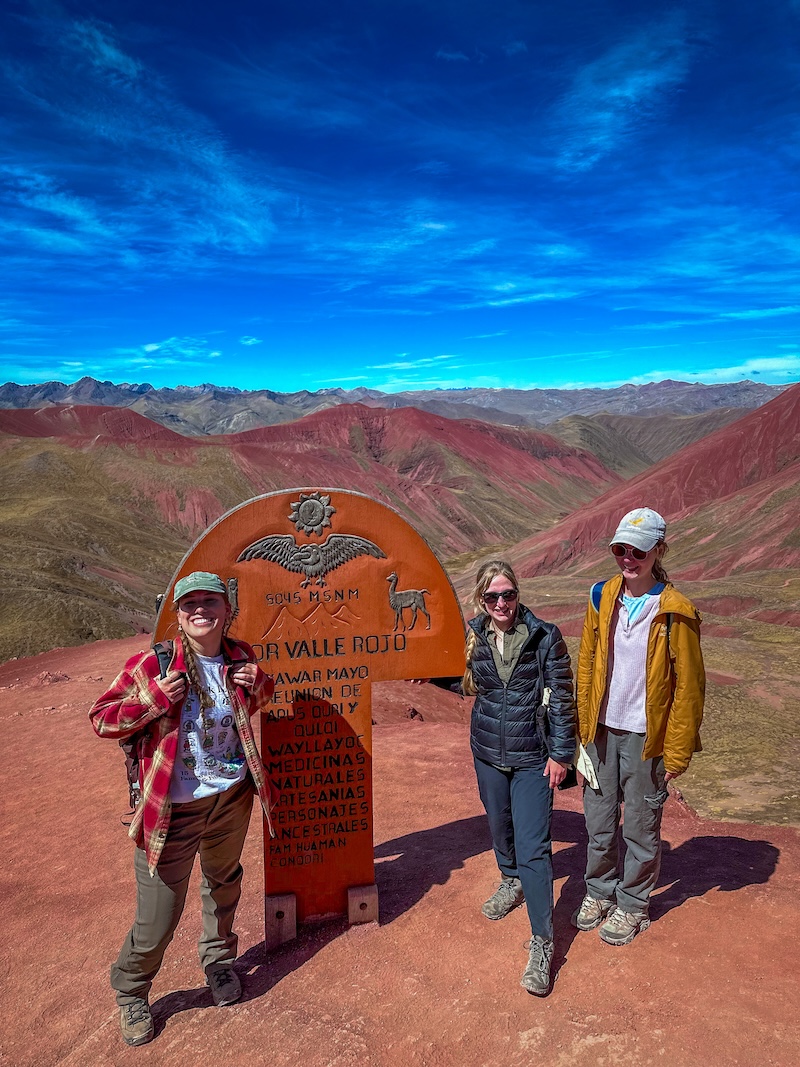
Tours to Rainbow Mountain are designed to be immersive, combining physical challenge with ecological education. As visitors ascend to altitudes exceeding 5,000 meters, they traverse through diverse ecosystems, each with its own distinct flora and fauna.
Guides, particularly those with a background in ecology and conservation, play a crucial role in enriching the experience by highlighting the ecological significance of the region and its inhabitants.
The journey is as much about learning and discovery as it is about reaching the summit. For ecotourism guides, the challenge lies in translating the complex ecological narratives into engaging stories that captivate and educate travelers.
By focusing on the adaptations and behaviors of local bird species, guides can foster a deeper appreciation for the biodiversity of the Andes and the urgent need to protect these habitats from anthropogenic pressures. Guides also emphasize the cultural heritage of the region, weaving tales of ancient civilizations and their enduring connection to the land.
Rainbow Mountain tours not only provide a source of income for local communities but also promote conservation awareness. By showcasing the beauty and ecological importance of the region, tours can inspire visitors to become advocates for environmental preservation.
This form of ecotourism emphasizes the symbiotic relationship between tourism and conservation, where informed travelers can contribute to the protection of these fragile ecosystems.
Tour operators often collaborate with conservation organizations to implement sustainable practices and promote environmental stewardship. Despite its beauty, Rainbow Mountain faces several environmental challenges that threaten its ecological integrity.
The influx of tourists, while economically beneficial, has led to increased foot traffic and environmental degradation. Trails have widened, waste management has become a concern, and the delicate balance of the ecosystem is at risk.
To mitigate the negative effects of tourism, sustainable practices must be implemented. This includes limiting the number of visitors, enforcing strict waste disposal measures, and creating designated trails to prevent habitat destruction.
Wildlife conservationists are pivotal in advocating for the protection of Rainbow Mountain and its ecosystems. By conducting research and raising awareness about the ecological value of the region, they can influence policy decisions and promote sustainable tourism practices.
Collaboration with local communities and tour operators is essential to ensure that conservation efforts are both effective and economically viable. Conservationists work tirelessly to develop strategies that balance ecological preservation with economic development.
Education plays a vital role in conservation efforts. By engaging local communities and tourists alike, conservationists aim to foster a deeper understanding of the environmental challenges facing Rainbow Mountain.
Workshops, seminars, and educational programs are implemented to raise awareness and encourage sustainable practices. Empowering local communities through education and involvement in conservation initiatives ensures that they become active participants in preserving their natural heritage.
Rainbow Mountain is a testament to nature’s artistry and resilience. For those who journey to its colorful peaks, the experience offers more than just breathtaking views; it provides a profound connection to the natural world and a call to action for its preservation.
Through responsible tourism and dedicated conservation efforts, we can ensure that future generations have the opportunity to marvel at this geological wonder and the vibrant ecosystems it supports.
As we continue to explore and enjoy the wonders of Rainbow Mountain, let us remain mindful of our impact and committed to protecting the natural beauty and biodiversity that make this destination truly extraordinary.
Sustainable tourism practices are crucial to maintaining the ecological integrity of the region and ensuring that tourism benefits both the environment and local communities. By choosing eco-friendly tours and supporting conservation initiatives, travelers can contribute to the long-term preservation of this remarkable landscape.
Together, we can champion the cause of environmental stewardship and celebrate the rich tapestry of life that thrives in the heart of the Andes.
Rainbow Mountain is not only a natural wonder but also a cultural treasure, where biodiversity and human history intertwine. By embracing and respecting this unique environment, we honor the legacy of those who have called the Andes home and ensure that their stories and traditions continue to inspire future generations.