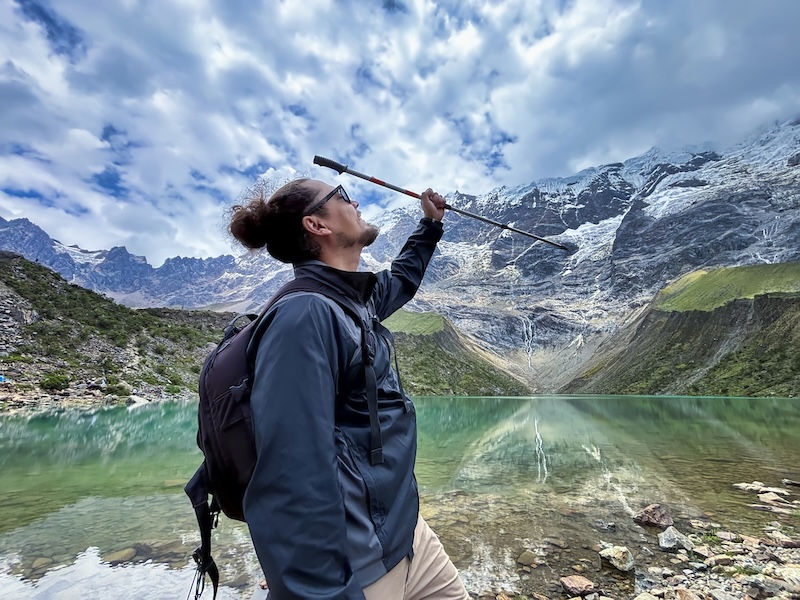


The Salkantay Trek is not merely a physical challenge. It is a corridor through some of the most diverse ecosystems on the planet. From the snow-capped peaks of the Andes to the lush cloud forests, this trek provides a living classroom for understanding ecological interactions and biodiversity.
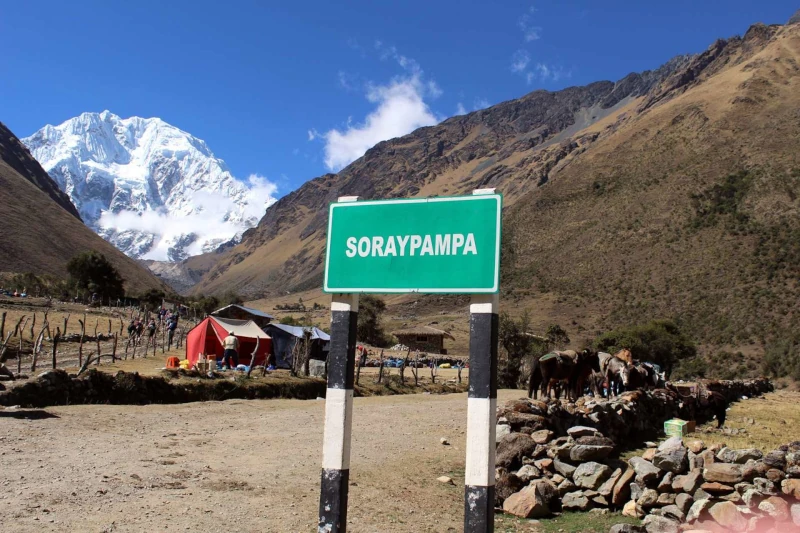
The trek begins in the majestic highlands, where the air is thin and the landscapes are dominated by rugged terrain and glacial peaks. Here, trekkers can witness the stark beauty of snow-draped mountains. Trekkers will feel the cool, crisp air that characterizes high-altitude environments. The flora in this region is adapted to the harsh conditions, with resilient shrubs and grasses painting the landscape.
As you descend, the environment transforms dramatically. The trail leads through diverse microclimates, each offering unique flora and fauna. The transition from alpine tundra to verdant cloud forests is marked by an increase in biodiversity. Each ecosystem supports different species adapted to its specific conditions.
The Salkantay Trail extends approximately 74 kilometers and is typically completed in four to five days. During this journey, trekkers pass through varying altitudes and climates, each offering a lesson in ecological adaptation. The changing landscapes highlight the importance of each habitat, from serving as sanctuaries for wildlife to acting as vital components in the global climate system.
The Andes serve as a rich tapestry for avian diversity. This region is a focal point for birdwatchers and ecologists due to its unparalleled variety of bird species. Over 1,800 bird species are found here, each playing a role in the complex ecological web. The varied altitudes and climates create niches for different species, from high-altitude specialists to those thriving in the moist cloud forests.
The Salkantay Trek offers a chance to observe some of these species in their natural habitats, providing insights into their ecological roles and adaptations. The trek is not just a physical journey. It is also an intellectual exploration into the lives of these feathered inhabitants. Each bird species observed tells a story of survival and adaptation. This makes the trek an enriching experience for anyone interested in avian life.
The cloud forests are particularly significant for bird diversity. These areas are characterized by persistent cloud cover and high humidity. This creates a unique environment that supports a variety of bird species. Among the notable birds in this region is the Andean Cock-of-the-rock, known for its vibrant plumage and elaborate courtship displays. The sight of this bird against the backdrop of misty forests is a captivating experience for any nature enthusiast.
The adaptation strategies of these birds are remarkable. Many species have evolved specialized feeding habits to exploit the rich array of fruits and insects available in the cloud forest. For instance, some birds possess curved beaks to access nectar from flowers, while others have developed keen eyesight to spot insects amidst the dense foliage. Observing these birds in their natural setting offers a glimpse into the complex web of interactions within this ecosystem.
The cloud forest also serves as a critical habitat for many endemic species, those found nowhere else on Earth. This uniqueness underscores the importance of conservation efforts to protect these irreplaceable environments. As these forests face threats from deforestation and climate change, understanding and preserving the biodiversity they support becomes increasingly urgent.
Birds play vital roles in maintaining the health of ecosystems. They act as pollinators, seed dispersers, and predators of insects, contributing to the ecological balance. The presence of diverse bird species along the Salkantay Trek underscores the ecological richness of the region and highlights the need for conservation efforts.
Birds as pollinators are crucial for the reproduction of many plant species. Their movements from flower to flower facilitate cross-pollination, ensuring genetic diversity and the survival of plant populations. In their role as seed dispersers, birds contribute to forest regeneration by spreading seeds over wide areas, helping maintain plant diversity and forest structure.
As predators, birds help control insect populations, preventing outbreaks that could harm vegetation. This natural pest control is essential for maintaining the health of ecosystems. The interconnectedness of birds with their environment exemplifies the delicate balance of nature, where the loss of one species can have cascading effects on others.
Despite the ecological significance of the region, it faces numerous conservation challenges. Habitat destruction, climate change, and human encroachment threaten the delicate balance of these ecosystems. Deforestation for agriculture and urban development reduces the area available for wildlife, while climate change alters habitats and food availability.
The Salkantay Trek provides an opportunity to raise awareness about these issues and the urgent need to protect these habitats. By witnessing the beauty and diversity of these ecosystems firsthand, trekkers can become advocates for conservation. Understanding the threats these environments face can inspire actions to mitigate human impact and preserve the natural world.
As a wildlife conservationist, it is crucial to communicate the importance of preserving these ecosystems to a broader audience. Simplifying complex ecological concepts and using engaging narratives can foster public support for conservation initiatives. By highlighting the interdependence of species and ecosystems, we can inspire collective action to safeguard biodiversity.
Efforts to conserve these areas include establishing protected areas, promoting sustainable tourism, and engaging local communities in conservation initiatives. By working together, we can ensure that the rich biodiversity of the Andes is preserved for future generations.
For ecotourism guides, the Salkantay Trek offers a platform to enrich tourists’ experiences with engaging narratives about the region’s biodiversity. By incorporating detailed stories about bird species and their ecological roles, guides can enhance visitors’ understanding and appreciation of the natural world.
Educating tourists about the ecological significance of the region fosters a deeper connection to the environment and promotes conservation awareness. This approach transforms a trekking adventure into an educational journey, empowering visitors to become advocates for biodiversity preservation. Guides can share stories of specific bird species, highlighting their unique adaptations and roles in the ecosystem, making the trek both informative and enjoyable.
By creating a narrative around the cultural and ecological history of the region, guides can also provide context for the landscapes and wildlife encountered. This storytelling approach not only enriches the trekking experience. It also leaves a lasting impression on visitors, encouraging them to support conservation efforts long after their journey ends.
To fully appreciate the avian diversity along the Salkantay Trek, consider these practical tips for birdwatching:

The Salkantay Trek is more than just a path to Machu Picchu; it is a journey through some of the most ecologically rich areas on Earth. As you traverse the trail, consider the intricate relationships within these ecosystems and the urgent need to protect them.
By raising awareness about the biodiversity and conservation challenges in the region, we can work together to ensure these habitats and their inhabitants are preserved for future generations. Whether you are a wildlife conservationist, ecotourism guide, or nature enthusiast, your role in advocating for the environment is vital.
Let us embark on this adventure with a commitment to safeguarding the natural wonders of the Machu Picchu Salkantay Trek and the broader Andean region. Through collective efforts, we can make a difference in preserving the beauty and diversity of our planet. By engaging with and educating others about the importance of these ecosystems, we can inspire positive change and ensure that the natural splendor of the Andes is appreciated and protected for years to come.


 Tripadvisor