


The Inca Trail, extending from Cusco to Machu Picchu, is a testament to the ingenuity and resilience of the Inca Empire. Spanning approximately 43 kilometers (26 miles), the trail winds through diverse landscapes, including cloud forests, alpine tundra, and subtropical woodlands. It is traditionally completed over four days, offering trekkers a profound sense of connection to the past and the natural world.
The Inca Trail was not just a route to Machu Picchu. It was a part of an extensive network of roads that connected the vast Inca Empire. Built by skilled engineers, the trail showcases the Incas’ remarkable understanding of their environment. It also demonstrates their ability to construct infrastructure that has withstood the test of time. The stone paths, staircases, and tunnels illustrate the advanced techniques used by the Incas to traverse the challenging Andean terrain.
Beyond its architectural marvels, the Inca Trail to Machu Picchu 4 days holds deep cultural significance. It was used for religious pilgrimages, trade, and communication between different regions of the empire. The trail passes through several archaeological sites. Each reflect the cultural and spiritual life of the Incas. As you walk along this path, you are following in the footsteps of ancient peoples. They revered these mountains and valleys.
Machu Picchu, the destination of the Inca Trail, was rediscovered in 1911 by the American historian Hiram Bingham. Its “discovery” reignited interest in Inca history and the trail leading to it. Since then, the site has become a symbol of Inca civilization. It is an iconic representation of Peru’s rich cultural heritage. The trail itself has been recognized as a UNESCO World Heritage Site, acknowledging its historical and cultural importance.

On the first day of the Machu Picchu hiking trail, hikers depart from the Urubamba River valley. The trailhead is located here. As you ascend, the landscape gradually transforms, revealing a rich tapestry of flora and fauna. This area is particularly notable for its avian diversity. It is home to species such as the Andean condor and the torrent duck making their homes here. The lush environment provides a perfect backdrop for observing these remarkable birds in their natural habitat.
The journey begins at Km 82, the traditional starting point of the Inca Trail. Here, trekkers are introduced to the landscape that will accompany them over the next few days. The initial stretch is relatively gentle, allowing hikers to acclimatize to the altitude and pace themselves for the days ahead. The excitement of embarking on this legendary trail is palpable as you cross the first bridge over the Urubamba River.
As you ascend from the river valley, the trail is lined with a variety of plant species, each adapted to the unique conditions of the region. The diverse flora includes vibrant orchids, towering ferns, and native shrubs that create a colorful and fragrant environment. The plant life not only provides essential habitat for wildlife but also offers a glimpse into the ecological complexity of the Andes.
The first day of the 4 day Inca Trek is a birdwatcher’s paradise. It offers a wide array of avian species visible along the trail. The Andean condor, with its impressive wingspan, is a highlight, often seen soaring above the cliffs. The torrent duck, a master of navigating fast-flowing streams, can be spotted near the river. Bird enthusiasts will find ample opportunity to observe and photograph these and other species in their natural settings.
The second day of trekking Inca Trail is often considered the most challenging. It involves a steep ascent to the highest point on the trail, Dead Woman’s Pass. Here, the altitude reaches 4,215 meters (13,828 feet), and the air becomes thinner. However, the effort is rewarded with breathtaking vistas and the opportunity to spot high-altitude bird species, such as the majestic Andean flicker and the rare Andean hillstar.
Dead Woman’s Pass, or Warmiwañusqa, is the highest point on the Inca Trail, offering trekkers a challenging but rewarding ascent. The path to the pass is steep and demanding, requiring physical endurance and mental determination. Upon reaching the summit, hikers are greeted with panoramic views of the surrounding Andean peaks, a testament to their perseverance.
The high-altitude environment is home to unique bird species adapted to the harsh conditions. The Andean flicker, a woodpecker-like bird, thrives in these elevations, using its long beak to forage for insects. The elusive Andean hillstar, a hummingbird species, can also be seen here, flitting among the sparse vegetation. Observing these birds in their natural habitat is a highlight of the day.
Acclimatization is crucial on this day, as the rapid increase in altitude can lead to altitude sickness. Trekkers are advised to pace themselves, stay hydrated, and take regular breaks to adjust to the thinner air. Proper acclimatization not only ensures a more comfortable experience but also enhances one’s ability to fully appreciate the stunning scenery and unique wildlife.
As you descend from the heights of the Andes, the trail leads you through a series of Inca archaeological sites, each offering a glimpse into the past. The subtropical cloud forest envelops these ancient ruins, creating a serene and mystical atmosphere. Birdlife here is abundant, with species like the emerald toucanet and the striking scarlet-bellied mountain tanager adding vibrant splashes of color to the verdant landscape.
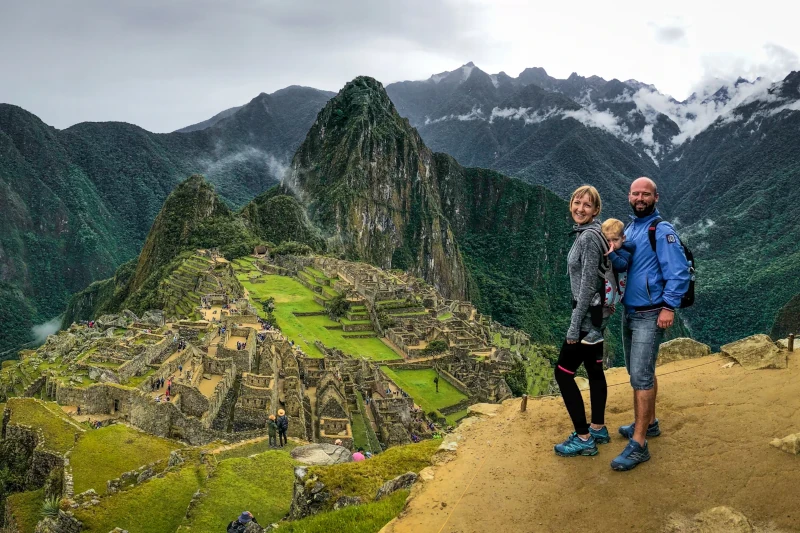
The descent on the third day brings trekkers to several Inca archaeological sites, each with its own story to tell. Sites such as Runkurakay, Sayacmarca, and Phuyupatamarca offer a fascinating insight into the architectural and engineering prowess of the Incas. These ruins provide a tangible connection to the past, allowing visitors to imagine the lives of those who once inhabited this region.
The trail winds through a lush subtropical cloud forest, a unique ecosystem characterized by high humidity and dense vegetation. The forest is a haven for diverse plant and animal species, creating an enchanting atmosphere. The interplay of light and shadow, combined with the sounds of wildlife, adds to the mystique of the environment, captivating the senses of all who pass through.
Birdwatching enthusiasts will find the cloud forest teeming with avian life. The emerald toucanet, with its vibrant plumage, is a standout species, often seen perched in the canopy. The scarlet-bellied mountain tanager, with its brilliant red and black coloring, adds a burst of color to the landscape. The diversity of bird species in this region is a testament to the ecological richness of the cloud forest.
The Inca Trail is more than just a path to Machu Picchu; it is a corridor of biodiversity, supporting a variety of ecosystems and species. The trail’s diverse habitats are home to over 400 species of birds, many of which are endemic to the region. These include the iconic Andean cock-of-the-rock, known for its flamboyant plumage and elaborate courtship displays, and the diminutive hummingbirds that flit between blossoms, showcasing their extraordinary adaptations for nectar feeding.
The Inca Trail cusco to Machu Picchu traverses multiple ecological zones, each with its own distinct flora and fauna. From the lush cloud forests to the sparse alpine tundra, the trail is a microcosm of the Andean ecosystem. This diversity makes the trail an important habitat for a wide range of species, contributing to the overall biodiversity of the region.
Several bird species found along the Inca Trail are considered iconic due to their unique characteristics and behaviors. The Andean cock-of-the-rock, with its vibrant orange plumage and elaborate mating rituals, is a highlight for many trekkers. Hummingbirds, such as the sword-billed hummingbird, demonstrate remarkable adaptations that allow them to thrive in this environment, showcasing nature’s ingenuity.
Birds play a crucial role in maintaining the ecological balance along the Inca Trail. They act as pollinators, seed dispersers, and predators, contributing to the health and diversity of the ecosystem. The presence of a wide array of bird species is an indicator of the overall health of the environment, highlighting the importance of conservation efforts to protect these habitats from the threats of deforestation and climate change.
Despite the trail’s ecological richness, the region faces significant conservation challenges. Habitat loss due to agricultural expansion and infrastructure development poses a threat to the delicate balance of these ecosystems. Additionally, the increasing popularity of trekking in the area can lead to environmental degradation if not managed sustainably.
Habitat loss is one of the most pressing challenges facing the ecosystems along the Inca Trail. Agricultural expansion, logging, and infrastructure development encroach upon natural habitats, disrupting the delicate balance of the environment. Protecting these areas is crucial to preserving the biodiversity that makes the trail so unique.
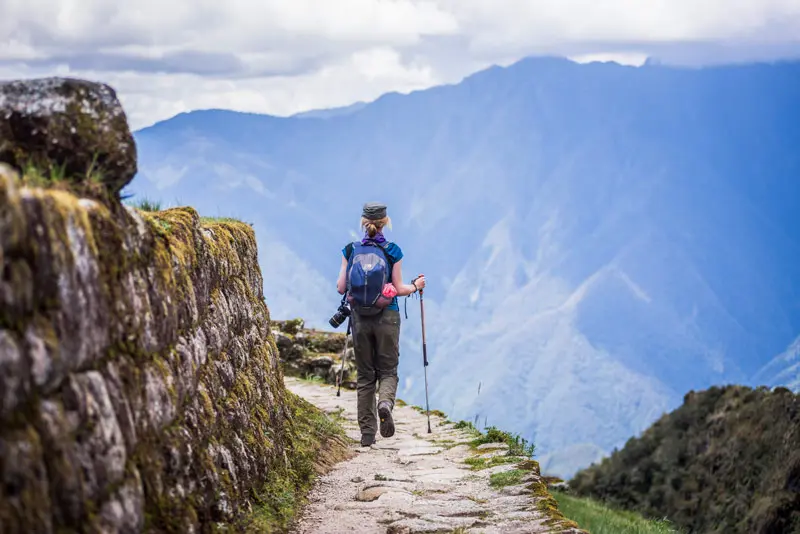
The popularity of the Inca Trail as a trekking destination brings economic benefits to the region but also poses environmental challenges. Increased foot traffic can lead to soil erosion, littering, and other forms of environmental degradation. Implementing sustainable tourism practices is essential to minimize the impact on the environment and ensure the trail’s preservation.
Various conservation initiatives are underway to address the challenges facing the Inca Trail’s ecosystems. Organizations and local communities are working together to promote habitat restoration, sustainable tourism, and community engagement. By raising awareness about the ecological significance of the Inca Trail and promoting responsible tourism, these efforts aim to protect this natural and cultural treasure for future generations.
For those planning to embark on this unforgettable journey, several options are available to cater to different preferences and fitness levels.
A variety of Machu Picchu trek tours are available, ranging from the classic four-day Inca Trail trek to shorter alternatives and more leisurely paced hikes. It is essential to choose a tour that aligns with your physical abilities and interests. Guided tours offer the advantage of expert insights into the region’s natural and cultural history, enhancing the overall experience.
Preparation is key to a successful trek. Acclimatization to the altitude is crucial, and it is recommended to spend a few days in Cusco before beginning the hike. Packing appropriately is also essential, with layers of clothing, sturdy footwear, and adequate supplies for the journey.
The cost of hiking the Inca Trail varies depending on the tour operator and the level of service provided. It is important to book well in advance, as permits are limited to preserve the trail’s integrity. By choosing a reputable operator that prioritizes sustainability, trekkers can contribute to the conservation of this remarkable region.
Ensuring your health and safety on the trail is paramount. It’s advisable to carry a first aid kit, stay hydrated, and be aware of the symptoms of altitude sickness. Additionally, trekkers should follow guidelines provided by tour operators to minimize risks and enhance the trekking experience.
While trekking the Inca Trail, it’s important to respect local customs and cultural sites. Engaging with local communities respectfully and adhering to guidelines at archaeological sites enhances the cultural experience and fosters positive relationships with the communities that call this region home.
Hiking the Inca Trail to Machu Picchu is an extraordinary adventure that offers a unique blend of natural beauty, historical intrigue, and cultural significance. As you traverse this ancient path, you become part of a larger narrative. It connects the past with the present and highlights the urgent need to protect our planet’s precious ecosystems.
By fostering an appreciation for the intricate web of life along the trail, we can inspire a lasting commitment to conservation. This awareness helps ensure that the wonders of the Inca Trail endure for generations to come.

 Tripadvisor