


The Sacred Valley of the Incas is the perfect starting point for your adventure to Machu Picchu. Located near Cusco, this fertile valley is home to charming villages, ancient ruins, and stunning landscapes. The Sacred Valley’s lower altitude compared to Cusco makes it an excellent place to acclimate before tackling the higher elevations of the Inca trails.
The Sacred Valley is rich with history and culture, offering a plethora of activities for travelers. You can visit the Pisac Market, famous for its vibrant colors and local crafts, providing a glimpse into the daily life and traditions of the Andean people. Additionally, exploring the ruins of Ollantaytambo gives insight into the Inca’s architectural prowess, with its terraced hillsides and fortress-like structures.
The valley is dotted with picturesque villages, each with its own unique charm. The village of Chinchero is known for its traditional weaving techniques, allowing visitors to observe artisans at work. Meanwhile, Maras and Moray offer a peek into the past with their ancient salt mines and circular agricultural terraces, respectively, showcasing the ingenuity of the Inca civilization.
In the Sacred Valley, food plays a central role in the cultural tapestry.
Travelers can indulge in local cuisine, such as rocoto relleno and cuy (guinea pig), offering a taste of Andean flavors. Many local eateries use ingredients sourced from nearby farms, ensuring fresh and authentic dishes. Cooking classes are also popular, providing an immersive experience into the culinary heritage of the region.
Cusco, once the capital of the Inca Empire, is the first stop for many travelers heading to Machu Picchu. At an altitude of about 11,152 feet, it’s essential to take time to adjust to the thinner air. The city itself is a UNESCO World Heritage site, offering a rich tapestry of history and culture with its cobblestone streets and colonial architecture.
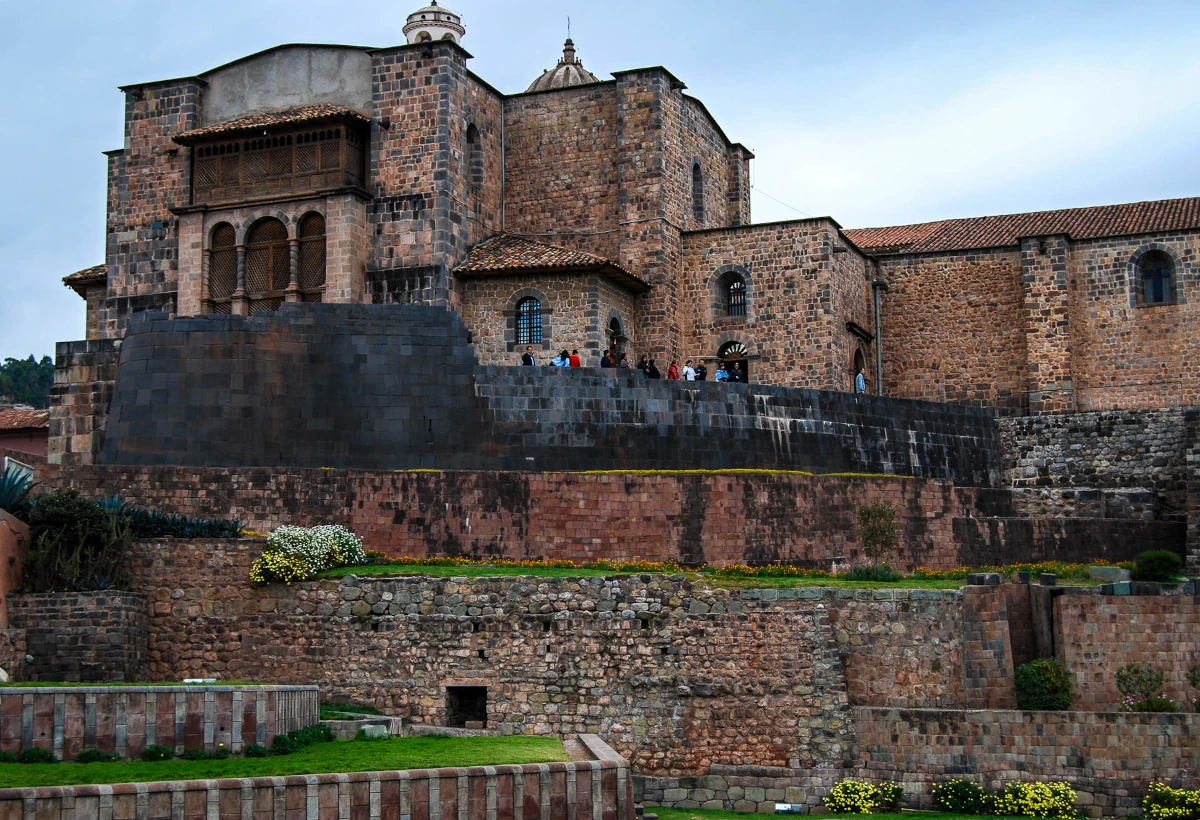
Cusco is a living museum, with layers of history etched into its streets. The city was the heart of the Inca Empire, and its significance is evident in sites like the Qorikancha, once the richest temple in the Inca realm. Spanish colonial influence is visible in the majestic Cathedral of Santo Domingo, which reflects the blending of Inca and Spanish cultures.
Beyond its historical landmarks, Cusco thrives with cultural vibrancy. The city hosts numerous festivals throughout the year, such as Inti Raymi, a celebration of the sun god, which draws crowds from around the world. The vibrant San Pedro Market offers a sensory experience with its array of local produce, handicrafts, and street food.
Acclimatization is key to enjoying your time in Cusco. Visitors are encouraged to take it slow upon arrival, allowing their bodies to adjust to the high altitude. Drinking coca tea, a traditional remedy, can help alleviate symptoms of altitude sickness. Additionally, staying hydrated and avoiding strenuous activities in the first few days can make a significant difference in comfort levels.
The trails leading to Machu Picchu are as diverse as they are beautiful, each offering a unique journey through history and nature. Whether you choose the classic route or an alternative path, the Inca Trails promise an unforgettable adventure.
The Classic Inca Trail is perhaps the most famous route to Machu Picchu. This 26-mile trek typically takes four days to complete and is known for its breathtaking scenery and historical significance. Hikers will pass through diverse landscapes, including cloud forests and alpine tundra, and encounter ancient Inca ruins along the way.

Permits are required for this trail, and they sell out quickly, so it’s advisable to book well in advance. Planning your trek involves selecting a reputable tour company, as they handle logistics and provide guidance. The trek reaches its highest point at Dead Woman’s Pass, which sits at an altitude of 13,828 feet, making acclimatization crucial for a successful journey.
The trail offers panoramic views that captivate the soul. From the lush vegetation of the cloud forests to the stark beauty of the high Andean terrain, each day presents a new landscape to explore. The sense of walking in the footsteps of the Incas is palpable, with ruins like Runkurakay and Phuyupatamarca offering a window into the past.
For many, the Classic Inca Trail is more than a physical challenge; it’s a spiritual journey. The connection with nature and history provides a profound sense of tranquility and introspection. Reaching the Sun Gate at dawn, with the first rays illuminating Machu Picchu, is a moment of awe and fulfillment that lingers long after the journey ends.

For those with limited time or looking for a less strenuous option, the Short Inca Trail offers a fantastic alternative. This two-day trek covers about 8 miles and provides a taste of the classic route’s highlights. The trail begins at Km 104 on the trip to Machu Picchu, winding through lush forests and past the stunning ruins of Wiñay Wayna before reaching the Sun Gate, where you’ll catch your first glimpse of the lost city.
The Short Inca Trail is perfect for those who want to experience the magic of the Inca Trail without committing to the full four-day trek. Despite its brevity, the trail does not skimp on beauty, offering stunning vistas and rich history packed into a shorter timeframe. The sense of achievement upon reaching the Sun Gate is as rewarding as the longer trek.
One of the highlights of the Short Inca Trail is the ruins of Wiñay Wayna. This site, meaning “Forever Young,” is a marvel of Incan architecture, with its terraces and water channels. The location offers breathtaking views of the surrounding landscape, providing a serene spot for reflection and appreciation of the Inca’s engineering prowess.
The Short Inca Trail offers greater flexibility, making it ideal for those with time constraints or who prefer a less rigorous hike. It’s also a great option for families or those new to trekking. The trail is accessible and allows trekkers to experience the essence of the Inca Trail while still having time to explore Machu Picchu at a leisurely pace.
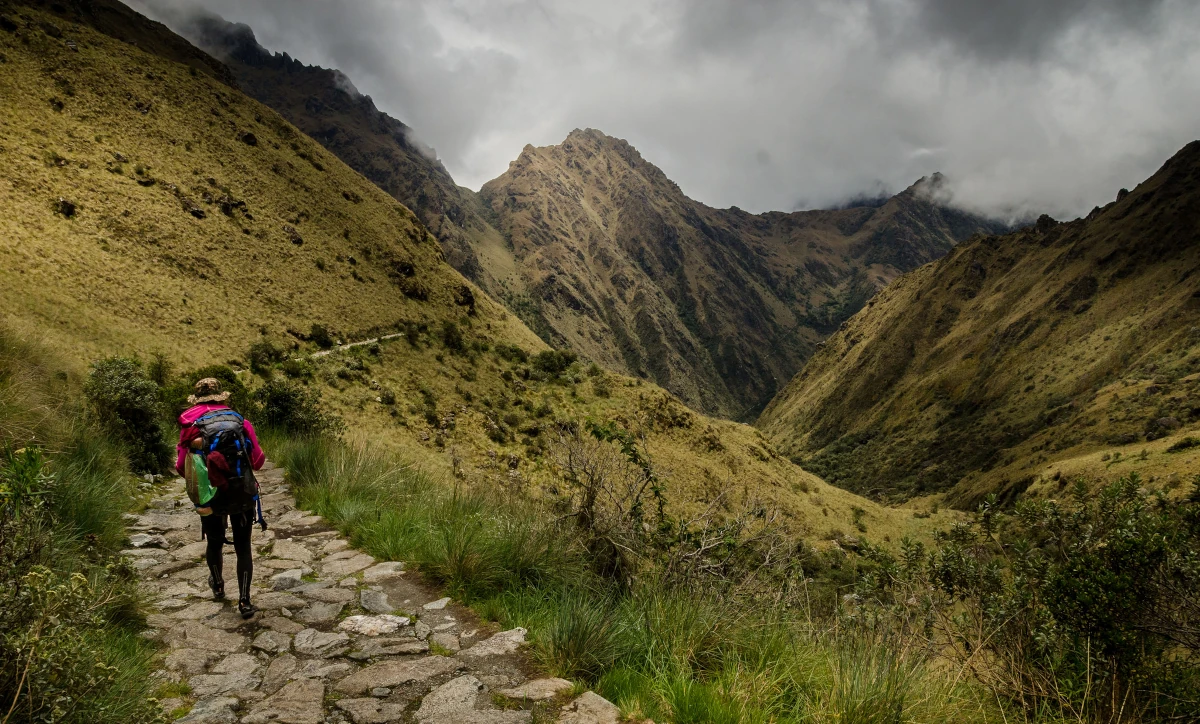
The Salkantay Trek is a popular alternative to the Inca Trail. This route is renowned for its diverse ecosystems and stunning views, passing beneath the towering Salkantay Mountain. The trek spans approximately 46 miles and takes five days to complete. Unlike the Inca Trail, permits are not required, making it a flexible option for last-minute travelers.
The Salkantay Trek offers a raw and immersive experience in nature, leading trekkers through diverse ecosystems from lush tropical forests to stark glacial landscapes. The journey beneath the awe-inspiring Salkantay Mountain, one of the highest peaks in Peru, is a highlight, offering breathtaking views and a profound sense of solitude.
Along the Salkantay route, trekkers have the opportunity to interact with local communities, providing a cultural dimension to the adventure. Traditional Andean villages offer glimpses into the daily lives of the highland people, and sharing stories with locals over a warm meal adds a rich cultural layer to the trek.The Salkantay Trek is a haven for nature enthusiasts, home to diverse flora and fauna. Hikers may encounter spectacled bears, hummingbirds, and vibrant orchids along the trail. The natural beauty, from glacial lakes to cloud forests, offers a visual feast and a deeper appreciation of the Andean ecosystem’s diversity and resilience.
The Lares Trek is perfect for those interested in cultural immersion. This trek takes you through remote Andean villages, where you’ll have the opportunity to interact with local communities and experience traditional Andean life. The Lares Trek is less crowded than the Inca Trail, offering a more tranquil experience while still providing stunning vistas and a rewarding journey to Machu Picchu.
The Lares Trek provides a unique opportunity to connect with indigenous communities, allowing trekkers to experience traditional Andean lifestyles. Visiting local schools and markets, and engaging with artisans, provides a deeper understanding of the cultural heritage and daily life in these remote regions.
While the cultural aspect is a highlight, the natural beauty of the Lares region is equally captivating. The trek passes through stunning landscapes, from verdant valleys to high mountain passes, each offering breathtaking views. The tranquillity of the trail, away from the crowds, enhances the experience, allowing hikers to fully immerse themselves in the serene surroundings.
The Lares Trek offers flexibility, with various route options and customizable itineraries to suit different preferences and timeframes. Whether you seek a short, culturally-focused trek or a longer, more challenging journey, the Lares Trek can be tailored to provide a personalized adventure that aligns with your interests and schedule.
Altitude can be a concern for travelers visiting Cusco and Machu Picchu. Cusco sits at a higher altitude than Machu Picchu, so it’s crucial to allow time for acclimatization to avoid altitude sickness. Staying hydrated, avoiding alcohol, and taking it easy for the first few days can help your body adjust. Over-the-counter medications and coca tea, a traditional remedy, can also alleviate symptoms.
Altitude sickness occurs when your body struggles to adjust to lower oxygen levels at high elevations. Symptoms can include headaches, nausea, and fatigue, and if left unaddressed, can escalate to more severe conditions. Understanding the signs and taking preventive measures can help ensure a safe and enjoyable trip.
Effective acclimatization involves a combination of rest and gradual exposure to higher altitudes. Spending a few days in Cusco before your trek allows your body to adjust. Gentle walks and minimal exertion during this period are recommended. Consuming a diet rich in carbohydrates can also aid acclimatization, providing your body with necessary energy.
Preparation is key to a successful and enjoyable trek to Machu Picchu. From physical readiness to packing the right gear, each element contributes to your overall experience.
Reaching Machu Picchu is a culmination of effort and adventure. As you stand among the ancient ruins, overlooking the lush valleys below, the sense of accomplishment is unparalleled. Whether you’ve followed the footsteps of the Incas or taken an alternative path, the journey to this lost city is an unforgettable experience.
Machu Picchu’s architecture is a testament to Incan ingenuity, featuring sophisticated construction techniques and astronomical alignments. The precision of the stonework, with blocks fitting seamlessly without mortar, reflects the Incas’ advanced understanding of engineering and aesthetics.
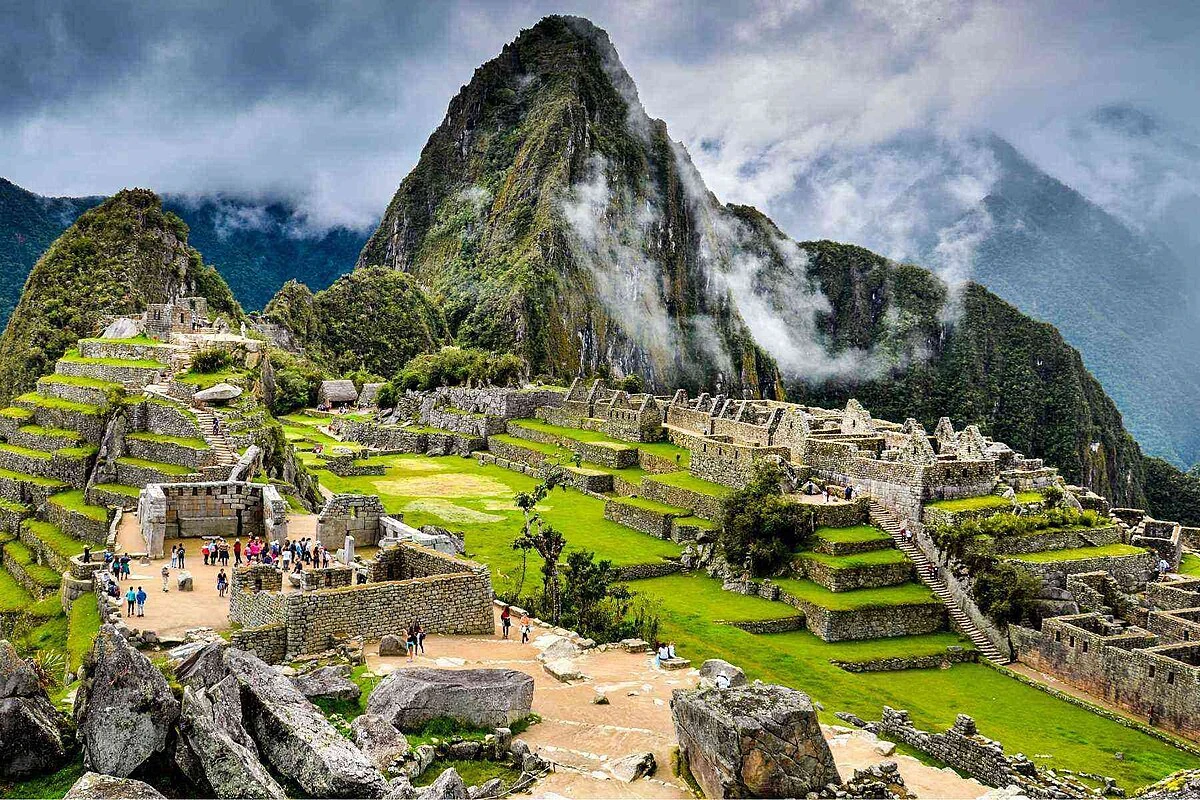
Exploring Machu Picchu reveals a complex network of structures, including temples, terraces, and plazas. Each area serves a distinct purpose, from agricultural terraces to the sacred Intihuatana stone, believed to be a solar clock. Guided tours provide context and stories, bringing the ancient city to life.
Preservation efforts are crucial to maintaining Machu Picchu for future generations. Sustainable tourism practices, including visitor limits and regulated access, help protect the site. Supporting these initiatives ensures that this World Heritage site continues to inspire and educate travelers worldwide.Hiking to Machu Picchu offers a unique blend of natural beauty, history, and culture. Whether you choose the classic Inca Trail, the scenic Salkantay Trek, or the culturally rich Lares Trek, the journey is as rewarding as the destination. Plan wisely, prepare thoroughly, and embrace the adventure that awaits in the heart of the Andes.

 Tripadvisor