


Imagine two distinct paths to the lost city of Machu Picchu. One is a journey back in time, walking on the original stone paths laid by the Incas themselves, surrounded by ancient ruins shrouded in mist. The other is a journey into the heart of today’s Andean life, meeting local weavers in remote villages where traditional culture still thrives. Both lead to the same breathtaking destination, but they offer completely different adventures.
You’ve likely heard about the world-famous Inca Trail and assumed it was the only way to hike to that unforgettable view of Machu Picchu from above. That historic route, however, is just one of several incredible options. This guide simplifies the choice between the classic Inca Trail and a cultural gem like the Lares Trek by exploring the true feeling, real-world difficulty, and critical booking deadlines for your 2026 trip. By the end, you will have a clear answer: are you looking for a walk through history, or an immersion into a living culture?
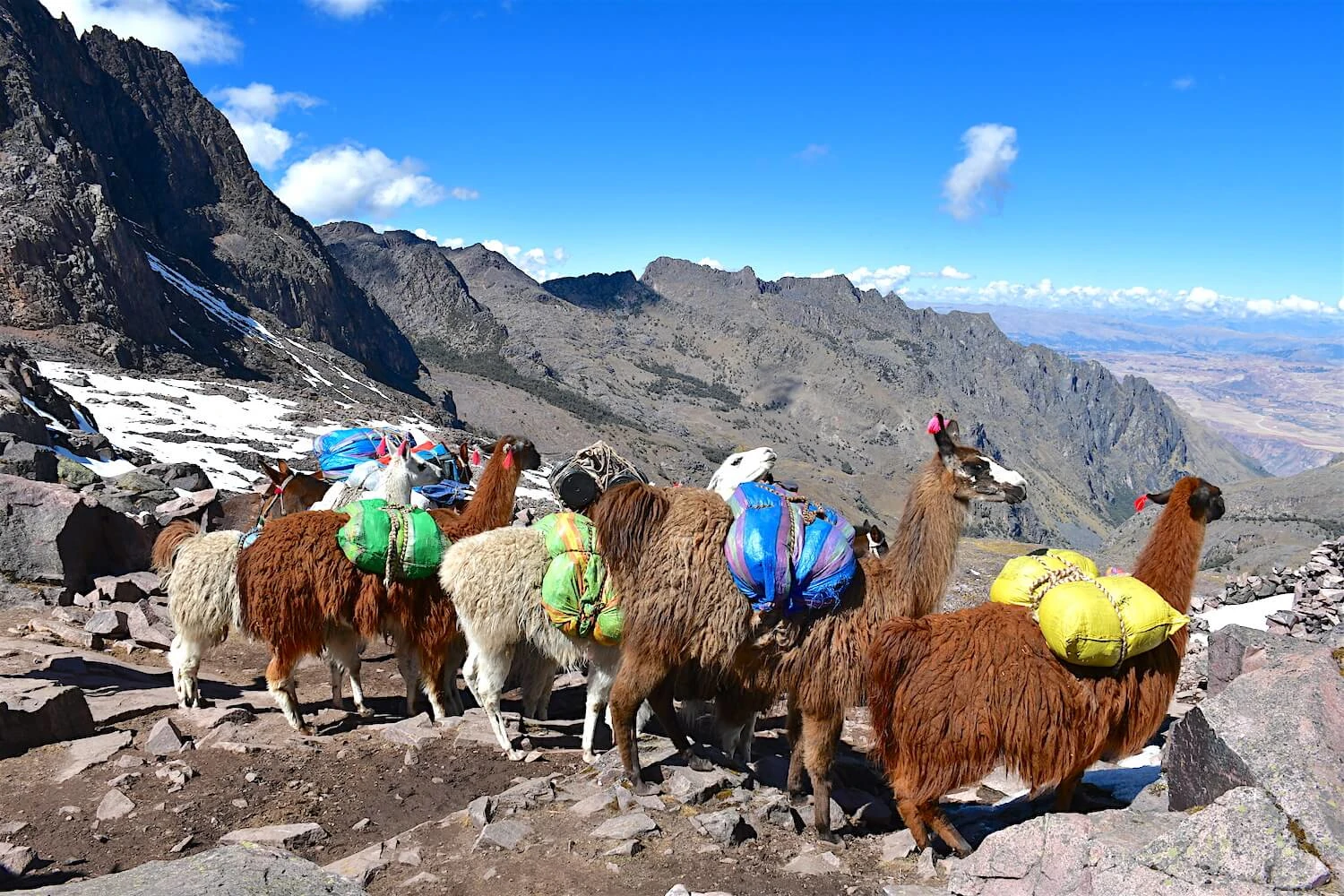
Both trails end at Machu Picchu but offer unique journeys for different adventurers. Use this at-a-glance comparison to see which trek aligns with your style before we dive into the details.
The Vibe: Famous history & ancient ruins ( Authentic culture & living villages)
Difficulty: More steep stone stairs (Higher overall altitude)
Crowds: Regulated but consistently busy (Quiet, remote, and peaceful)
Booking: 6-9+ months in advance (permits). 1-3 months in advance (flexible) Accommodation: Camping in tents only , Camping or comfortable lodge stays
The fact that the Classic Inca Trail is not merely a route to historic places. The historic place is the route is the single reason why the Classic Inca Trail represents the best choice. During four days you will be walking on the same stone highways. Incas built more than 500 years ago as a spiritual pilgrimage road to Machu Picchu. No other journey will bring you more into the past than this one. It is not a new tourist trail going through the wilderness but is a classic path to follow on a preserved archaeological prize and you can feel the weight of the importance with each stone the one on your feet.
This trip back in time will have you experience breathtaking Inca ruins which are something majority of the visitors to Peru never have the opportunity to visit. You will pass through some hazy cloud forests and, the moment you reach them. You will feel like stumbling on fortresses and temples that have been opened only to those that are on the path. The most spectacular of these is Wiñay Wayna (meaning Forever Young). Enormous complex of agricultural terraces and structures which have been clung to the mountainside in a dramatic manner. It is a small version of Machu Picchu and it is an invaluable reward to have it nearly to one’s self after a long day of hiking.
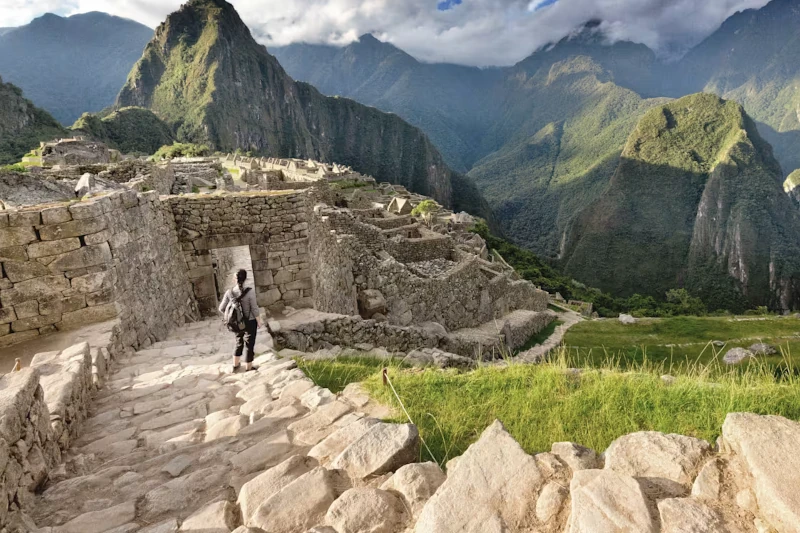
However, the trail does not leave its most iconic moment to waste. Your last day morning you reach the Sun Gate (Inti Punku). Which was the original entry point of Machu Picchu. Such opinion is the prerogative of those who go through the hike. The first jaw-drop, panoramic scene of the lost City comes at dusk as the sun comes up and the Lost City is revealed in the valley below.
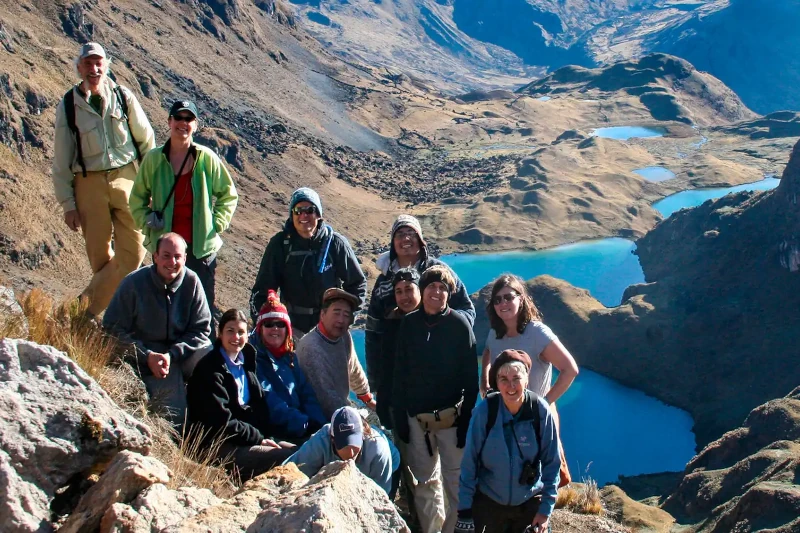
Although the Inca Trail is a trip back in time, the Lares Trek is the total opposite: an immersion into the vibrant breathing culture power of the Andes in the present. It is not a trip that is well known because of the rocks that you will see under your feet. What you will encounter during the journey. The route is not based on one primeval road, but a maze of distant mountain passes. It takes you to remote hamlets where people still live by their traditional ways. It is an experience that is centered on human interaction, and not historical ruins.
During this trip, you will have the opportunity to walk through the communities of Quechua speaking families, the immediate descendants of the one who constructed these mountain empires. This offers an incredible and uncommon cultural experience. You will find farmers with their llamas and alpacas and you can even be asked to observe how local women do their backstrap weaving. The same methods that were used to produce the colorful fabrics that Peru is known by. It is an aspect of the nation that few visitors are able to see and it provides a tranquil and respectful view of an ancient lifestyle.
In the planning of Peru trekking, it is not hard to confuse two completely different issues: difficulty and altitude. Imagine the challenge as the pressure on your legs. The steepness of the climbs and the duration of the walks made each day. It is the cause of sore muscles. The thin air is, on the other hand, all about altitude. In a high altitude, there is less oxygen with each breath and it makes you feel out of breath.
Remarkably, the altitude of your body is hardly related to the fitness level. The response you have is personal and even the most experienced athlete can experience it. This is the reason why time is of the essence when it comes to adjusting your body. This is referred to as acclimatization when doing the high altitude expeditions and it is just a mere period of several days. This will enable your body to adapt gradually hence making your trek a lot safer and much more enjoyable.
This is one of the main differences since the Inca Trail and Lares Trek are not challenging in the same sense. One path is filled with more stone steps that are hard to walk on, and the other one has a higher point of elevation.
While both treks are serious undertakings, most experienced guides agree that the Inca Trail is more physically demanding on a day-to-day basis. The reason is simple and can be summarized in one word: stairs. For much of the trek, you’ll be climbing or descending thousands of uneven stone steps.
The main challenge on each trail highlights this difference perfectly. It’s not just about the single highest point but the overall nature of the path you’ll walk.
Ultimately, your decision comes down to what kind of challenge you prefer. If you’re prepared for a consistent, stair-climber-style workout for several days straight. The historic Inca Trail is for you. If you’d rather have more moderate daily walks but are ready to push hard.
Beyond the physical test, the single biggest difference between these two treks is how you book them. Think of the Inca Trail like front-row tickets to a world-famous concert that only happens on specific dates. Because the trail is a protected archaeological site, the strict Peru trekking permit system for 2026 releases only 500 spots per day (including for guides and porters), and they sell out lightning-fast. The only way to book the Inca Trail is through a licensed tour operator. You absolutely must secure your spot 6 to 9 months in advance.
This is where the Lares Trek shines as a fantastic, low-stress alternative. Because it doesn’t follow the same protected path, there are no government-issued permits required. This gives you incredible flexibility. While it’s always wise to plan ahead, learning how to book the Lares Trek is a much simpler affair, and you can often reserve a spot with a tour company just a couple of months or sometimes even a few weeks before your trip. This makes it the perfect choice if you’re a more spontaneous planner.
Your travel style might make the decision for you. Are you an early-bird planner who can lock in dates almost a year out to secure a place in history?
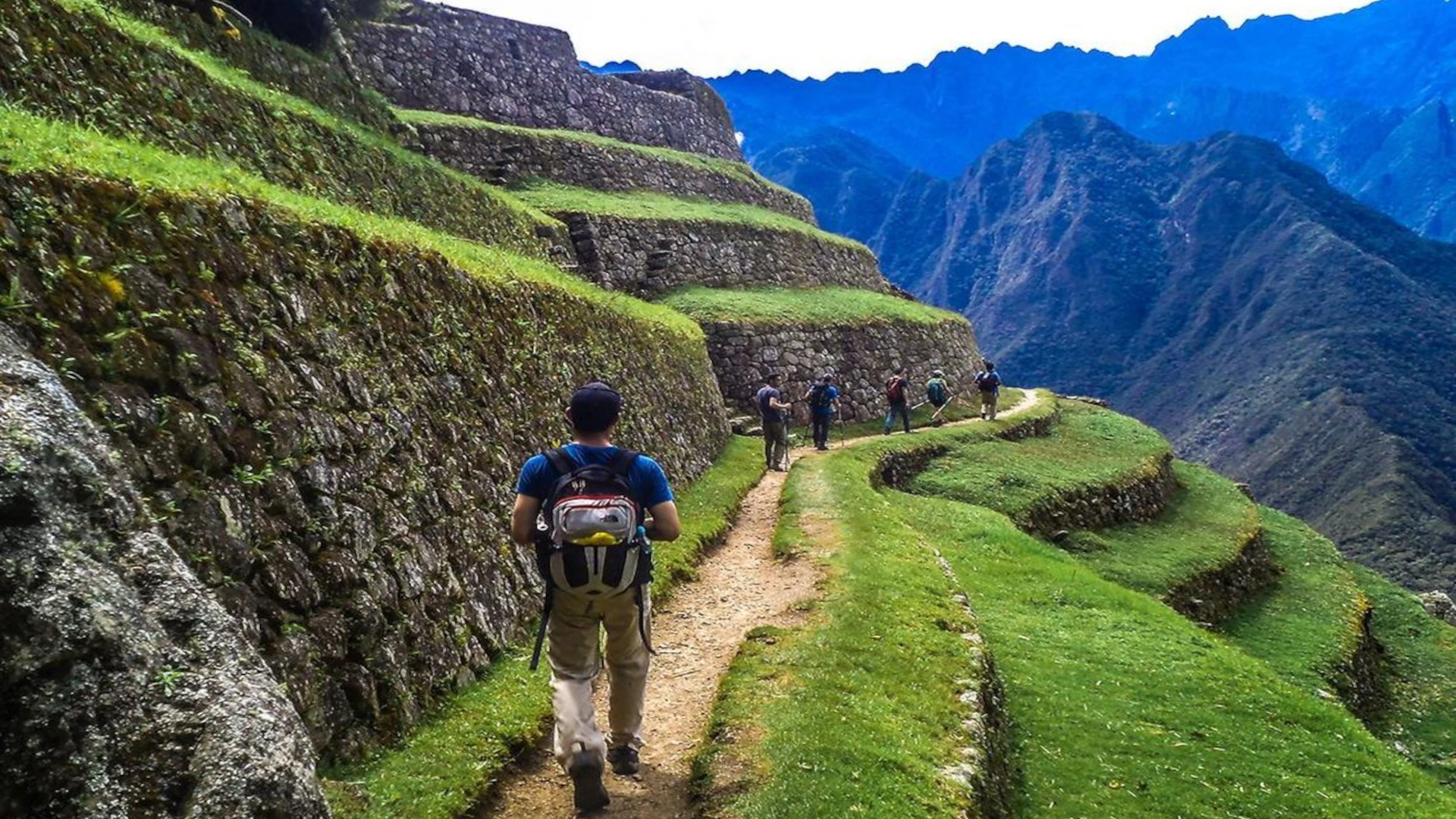
On top of the difference in crowds, the visual character of every trek is unlike. The landscape of the Inca Trail is a walk through the varying ecosystems. You will descend through dry highlands to what is either a cloud forest or a lush forest nearly the inca jungle like with mist almost floating in the air amongst the trees and wild orchids growing. The fun thing about this is that history is included in the sightseeing. You are always on original Inca rock roads and finding amazing Inca trail ruins.
Instead, the Lares Trek is the one that replaces antique buildings with bare and lofty majesty. It is an epic road: huge, open valleys, herds of curious llamas and alpacas, and dramatic passes into which one looks into a gorgeous turquoise lake gleaming beneath snow caps. The landscape is more wild and is more concentrated on the greatness of the Andes. It is the most scenic and cultural trek in Peru and the natural world and life of locals are in the center stage.
The choice concerning the Lares Trek and Inca trail scenery would be decided on the individual preference. Would you like your rise to be interrupted by historical discovery in a green, developing scenery? Or are you attracted by the spectacular size of the untamed mountains and the saturated colored lakes? But what in case you are aiming at the wildest mountain scenery ever?
The Salkantay Trek is that rougher competitor. This path can be characterized by a single element: the enormous snow-covered mountain of Salkantay, one of the most sacred mountain in Inca mythology. The Salkantay Trek possesses none of the historical interest of the Inca Trail or the cultural immersion of the Lares, but simply of the brute power of the Alps. When the feeling of being overwhelmed by the sheer size of the Andes is your main objective and you want to be right next to a large glacier, it is your hike.
Considering the level of challenge Salkantay trekking can be regarded as perhaps the most challenging of these three primary choices. The trail passes across the magnificent Salkantay Pass of 4,630 meters, the highest point of both other treks. It is a rough trail that can be rigorous and thus is a good option to adventurous hikers who want to put their bodies to test. Following high pass, the path is magnificent in contrast. It leads to the wet jungle into the green and damp start.
In the end, it boils down to the type of experience you are looking into. The Inca Trail is a legendary destination. Which is undoubtedly the preferred place of tourists who appreciate history, prestige, and the objective of purposeful walking on the path.
In case the dream trip is more people-oriented than historical, the Lares Trek is a totally different form of magic. Being the finest substitute to the Inca Trail, the trail leads you through the core of the living Andes. It is an experience characterized by the Lares Trek cultural immersion. Where I got to meet with weavers in their remote villages and observing a historic method of life.
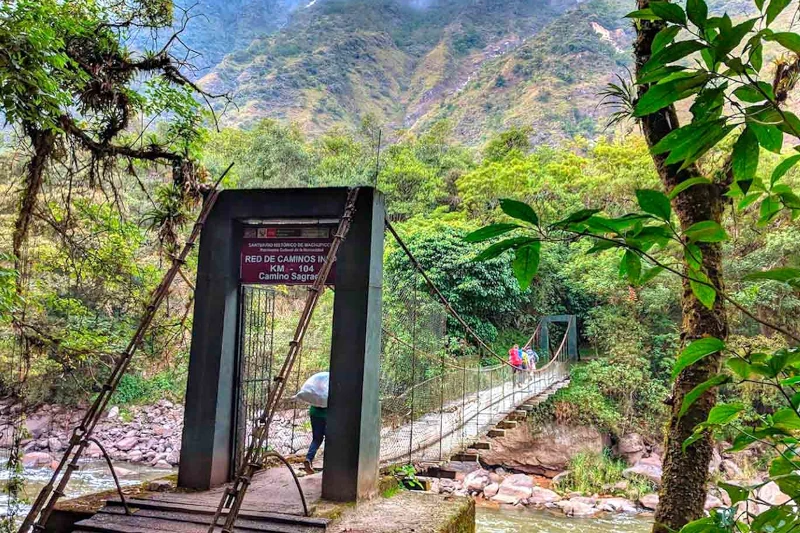
At this point you are now ready to make a sure-footed choice having learned the basic decision on whether to walk through history using the Inca Trail or to hit the culture through the use of the Lares Trek. It is time to transition to leave. The following is a simple three-step plan to have you started.
Or Select Your Story: Visit the main distinction: do you want to walk on old stones and explore relic ruins, or smile in an Andean living village? That is the key to everything, answering that one question.
Check the 2026 Calendar: This is the most important step in case you decided on the Inca Trail. Count backwards at least nine months of your ideal dates of traveling. That’s your booking deadline. In case of the Lares Trek, you are much more flexible, and it would still be a great idea to plan several months in advance.
It is no longer about vacation planning. It is about the decision on which unbelievable story you want to narrate. You can take your journey to Peru trekking in 2026, whether it is paved with original Inca stones or the friendly dirt roads of a mountain village, your trip officially starts.

 Tripadvisor