


The Incan Empire originated in the early 13th century, with its capital located in Cusco, a city nestled in the Andes. The Incas were initially a small tribe, but through strategic alliances and military conquests. Their understanding of the challenging Andean geography and ability to adapt to it played a crucial role in their expansion.
Cusco, often referred to as the “Navel of the World,” was the political, cultural, and spiritual center of the Incan civilization. The city’s strategic location allowed the Incas to control trade routes and maintain communication across their vast empire. The architecture in Cusco showcased the Incas’ incredible engineering skills. Structures built to withstand earthquakes and other natural disasters. The stone masonry of Cusco is particularly notable for its precision. In fact stones cut so perfectly that they fit together without mortar, a technique that has left modern engineers in awe.
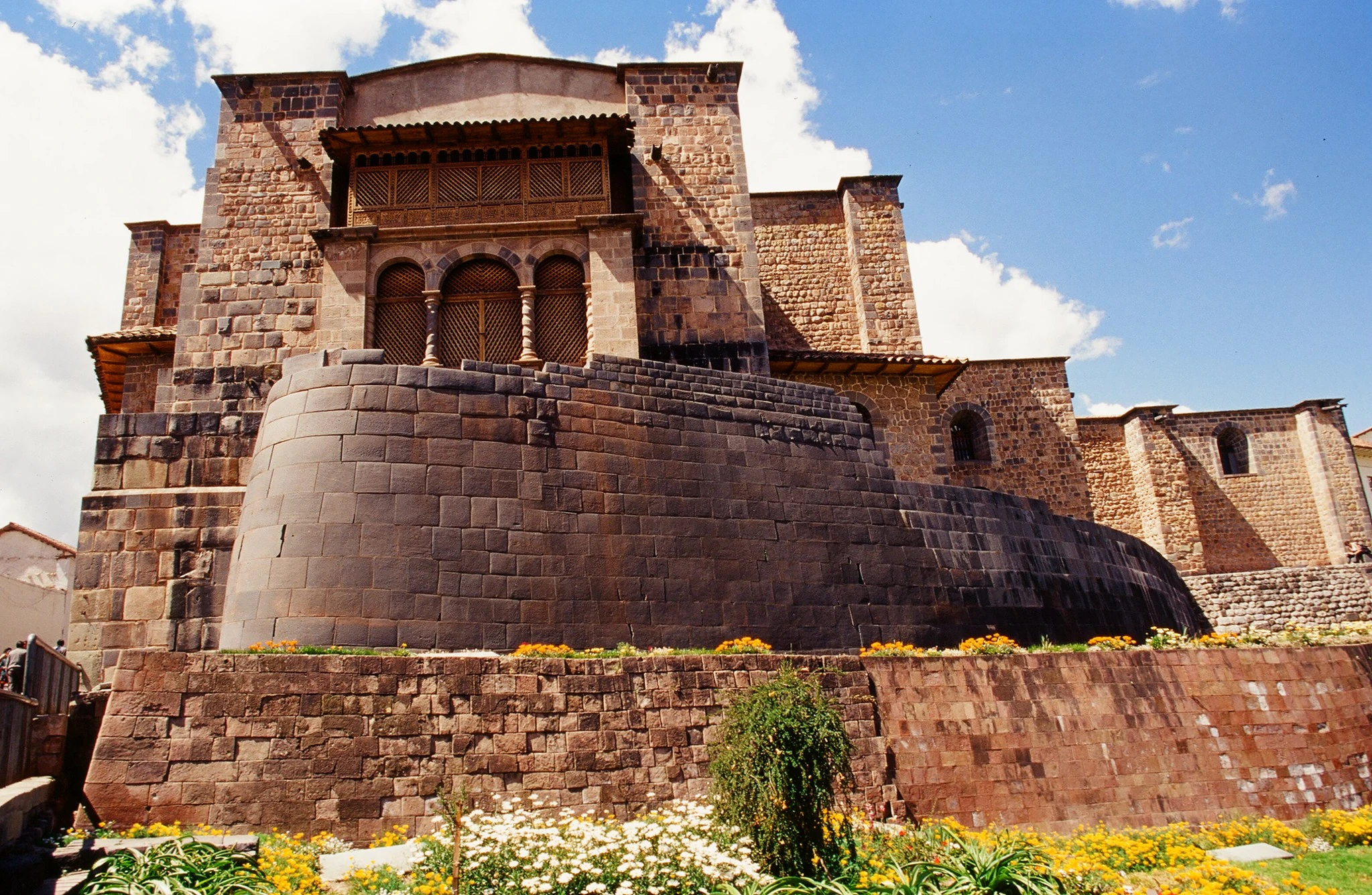
Beyond its architectural prowess, Cusco was a melting pot of Incan culture and administration. The city was the epicenter of Incan power. Where the Sapa Inca, the emperor, resided and governed. It was also a spiritual hub, home to the Coricancha. The Temple of the Sun, which was covered in gold and served as a testament to the Incas’ devotion to their deities. Cusco was not only the heart of the empire geographically but also symbolically.
The rise of the Inca dynasty was marked by a series of strategic marriages and alliances that solidified their power. These alliances often involved integrating other tribes into the Incan social and political systems. The Incas believed in a policy of inclusion, which allowed them to expand their influence. This approach not only strengthened their empire but also ensured stability and peace among diverse groups under Incan rule.
The Inca rulers, known as the Sapa Incas, were considered divine, believed to be descendants of the sun god Inti. This divine status helped legitimize their rule and unify the people under a common religious and cultural framework. The Sapa Incas were seen as intermediaries between the gods and the people, which reinforced their authority and helped maintain the social order.
The Incas’ expansion strategy was a combination of military prowess and diplomacy. They were adept at identifying key territories that would enhance their control over the region, such as fertile valleys and strategic mountain passes. Once a territory was incorporated into the empire, the Incas would implement their administrative systems, including the mit’a labor system, which ensured a steady supply of labor for public projects and agricultural production.
The Incas also established a network of administrative centers, known as tampus, throughout their empire. These centers served as hubs for trade, communication, and military operations. They were strategically located along the extensive road system, facilitating the movement of troops and resources across the empire. The use of tampus allowed the Incas to maintain control over vast territories and manage the logistics of their sprawling empire effectively.
The Sacred Valley, located near Cusco, was vital to the Incan Empire’s success. This fertile region provided the resources necessary to sustain the empire’s growing population. The Incas developed advanced agricultural techniques, including terracing and irrigation systems, to maximize the valley’s productivity.
The Incas were master agriculturalists, cultivating a variety of crops such as potatoes, maize, and quinoa. Their innovative farming techniques allowed them to thrive in the harsh Andean environment. Terracing, in particular, helped prevent soil erosion and increased arable land, while sophisticated irrigation systems ensured a consistent water supply. The Incas’ understanding of microclimates allowed them to grow diverse crops at different altitudes, optimizing agricultural output.
The Incas also implemented crop rotation and fertilization techniques to maintain soil fertility. They used natural fertilizers, such as guano from coastal islands, to enrich the soil. This sustainable approach to agriculture ensured long-term productivity and food security for the empire. The Incas’ agricultural innovations are still studied and admired today for their efficiency and environmental sustainability.
The Chasquis, the Incan empire’s skilled messengers, played an essential role in the agricultural success of the Sacred Valley. These runners were responsible for delivering messages and information across the empire’s vast territories. In the context of agriculture, Chasquis facilitated the exchange of knowledge and techniques between different regions. This exchange allowed for the dissemination of agricultural innovations and best practices, contributing to the overall productivity of the empire.
The Chasquis also played a crucial role in coordinating the distribution of agricultural produce. They ensured that surplus food from highly productive regions was transported to areas with lower yields. The Chasquis’ ability to efficiently communicate and transport goods was a vital component of the Incan agricultural system.
Religion played a significant role in Incan agriculture, influencing both the methods and timing of farming practices. The Incas believed that agricultural success was dependent on the favor of the gods. Particularly Inti, the sun god, who was thought to be the source of life and fertility. Religious ceremonies and rituals were conducted to ensure a bountiful harvest.
The Incas also used religious sites, such as sacred mountains and temples, as agricultural calendars. They observed celestial events and used them to determine the best times for planting and harvesting. This integration of religion and agriculture helped the Incas maintain a harmonious relationship.
The Incan Empire’s success was also due to its extensive network of roads, known as the Qhapaq Ñan. This system of trails connected the empire’s vast territories, allowing for efficient communication.
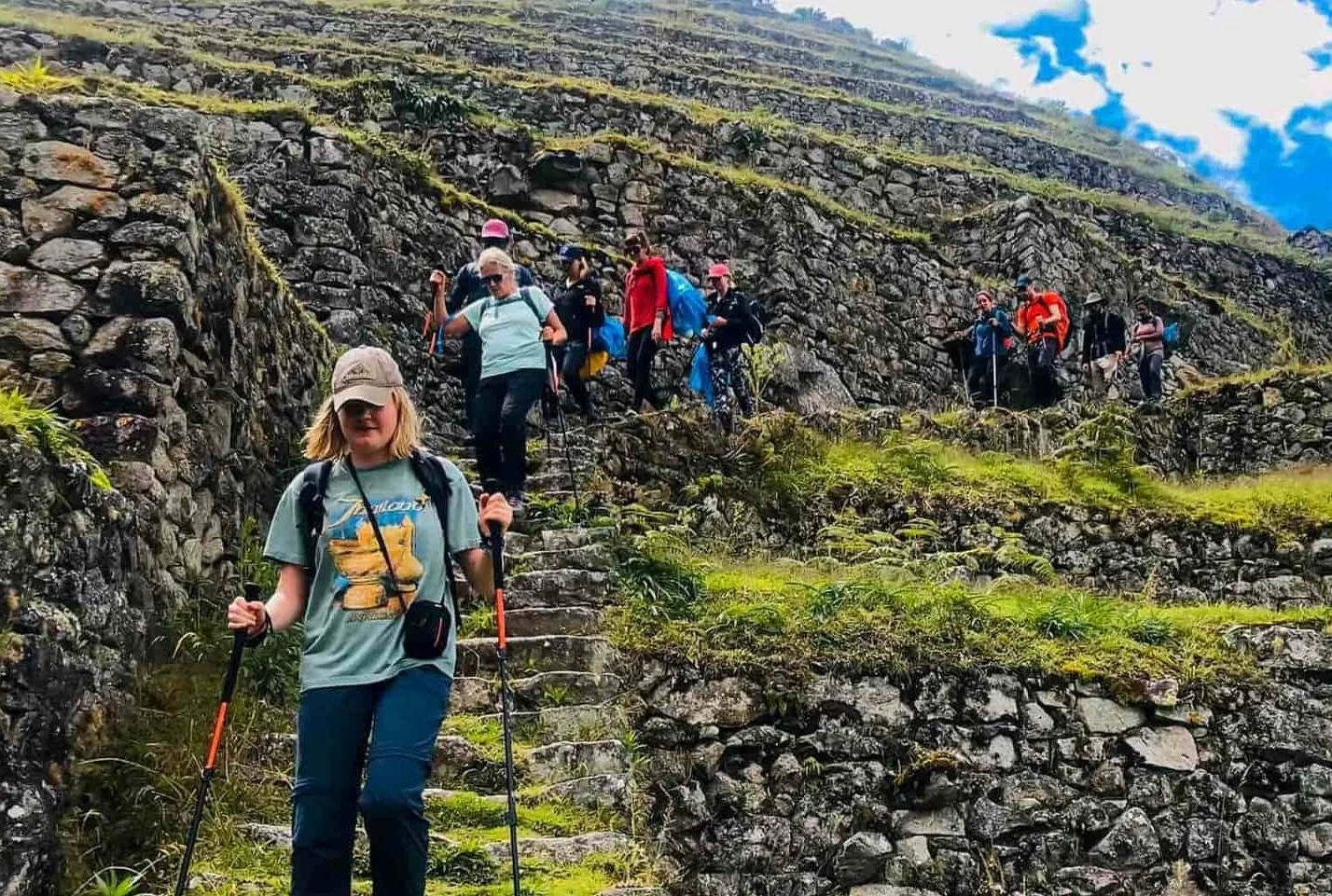
The Inca Trail, a part of this network, is a world-famous trekking route that leads to the iconic Machu Picchu. This ancient path showcases the Incas’ engineering prowess and remains a testament to their ability. The trail facilitated trade and communication, strengthening the empire’s unity and cohesion. The construction of the Inca Trail involved careful planning and the use of natural materials.
The Inca Trail was more than just a means of transportation; it was also a spiritual journey. Pilgrimages along the trail were common, with travelers stopping at sacred sites. This aspect of the trail reinforced the cultural and religious unity of the empire. People from different regions came together to participate in shared rituals and ceremonies.
Tambos, or waystations, were strategically placed along the Qhapaq Ñan to support travelers and facilitate the movement of goods and information. These rest stops provided food, shelter, and other necessities for those journeying along the roads. Tambos were essential for the efficient functioning of the empire, as they allowed messengers, soldiers, and traders.
The tambos also served as administrative centers, where officials could oversee local governance and manage resources. They were critical in maintaining the infrastructure of the road network, ensuring that it remained in good condition. Allowing the support the empire’s transportation and communication needs. The tambos exemplify the Incas’ foresight in creating a well-organized and sustainable system.
The Chasquis were the backbone of the Incan communication system, responsible for relaying messages across the empire. These highly trained runners could cover great distances at remarkable speeds, ensuring that information was transmitted quickly and accurately. The Chasquis operated in a relay system, with one runner passing the message to the next at designated points along the route.
The efficiency of the Chasquis allowed the Sapa Inca to maintain control over the territories. They were able to relay important information, such as military orders. The Chasquis’ role in the Incan communication system was vital to the empire’s cohesion and governance. The importance of effective communication in maintaining a stable and powerful state.
Ollantaytambo, an archaeological site located in the Sacred Valley, exemplifies the Incas’ architectural and engineering skills. The town’s layout and construction demonstrate the Incas’ mastery of urban planning. They had the ability to integrate their structures with the surrounding landscape.
The fortress at Ollantaytambo served as both a military stronghold and a religious center. Its massive stone walls and terraces are a testament to the Incas’ ability to work with stone. The site also played a significant role in the Incas’ resistance against Spanish conquistadors during the 16th century. The strategic location of Ollantaytambo, overlooking the Urubamba River.
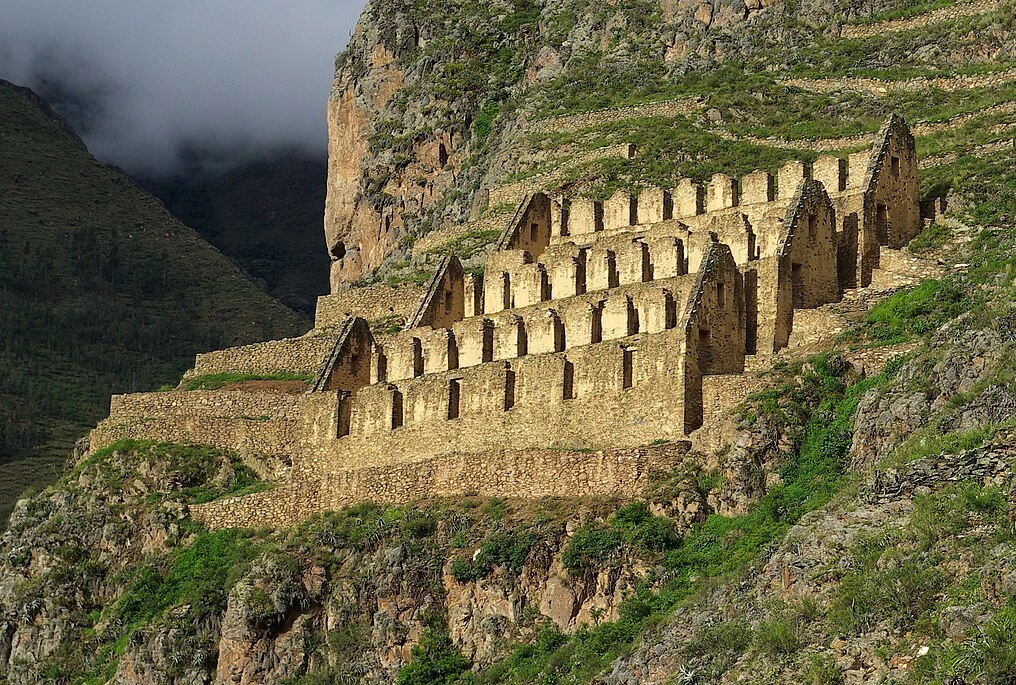
The construction of the fortress involved the transportation of massive stones from a quarry several kilometers away, demonstrating the Incas’ engineering prowess and resourcefulness. The Incas used a combination of ramps, levers, and manpower to move these stones, a feat that continues to intrigue archaeologists and historians. The fortress’s design and construction reflect the Incas’ deep understanding of their environment and their ability to harness its resources effectively.
Ollantaytambo is a prime example of Incan urban planning, with its carefully organized layout and sophisticated water management systems. The town was designed to blend harmoniously with the natural landscape, with streets aligned to maximize sunlight exposure and minimize wind impact. The Incas also implemented advanced drainage systems to manage water flow and prevent flooding, ensuring the town’s sustainability and resilience.
The water management systems at Ollantaytambo included a network of channels and fountains that provided a reliable water supply for the town’s inhabitants. These systems were intricately designed to distribute water efficiently and minimize waste. The Incas’ ability to manage water resources effectively was crucial to the town’s prosperity and is a testament to their ingenuity and adaptability.
Ollantaytambo was not only a military and religious center but also a hub of social and economic activity. The town’s strategic location made it an important center for trade and commerce, connecting the highlands with the lowlands and facilitating the exchange of goods and resources. The bustling marketplace at Ollantaytambo was a testament to the town’s significance in the Incan economic network.
The town also played a vital role in the Incan social structure, serving as a center for cultural and religious activities. The terraces and plazas at Ollantaytambo were used for ceremonies and gatherings. The social bonds and cultural identity of the Incan people. The town’s role in Incan society reflects the interconnectedness of military, economic, and cultural aspects.
The salt mines of Maras, located in the Sacred Valley, are another example of the Incan Empire’s resourcefulness. These ancient salt pans have been in operation since Incan times, showcasing the Incas’ ability to harness natural resources.
The salt pans consist of thousands of small pools, fed by a natural spring rich in salt. The Incas used an intricate system of channels to direct the flow of water into these pools. This resource was essential for preserving food and was a vital trade commodity. The salt from Maras was highly prized and traded throughout the empire, contributing to the economy.
The design and layout of the salt pans demonstrate the Incas’ understanding of hydrology and their ability to manipulate their environment to meet their needs. The salt pans are terraced into the mountainside, allowing for the efficient collection and evaporation of saltwater. This ingenious system has stood the test of time and continues to be used by local communities today.
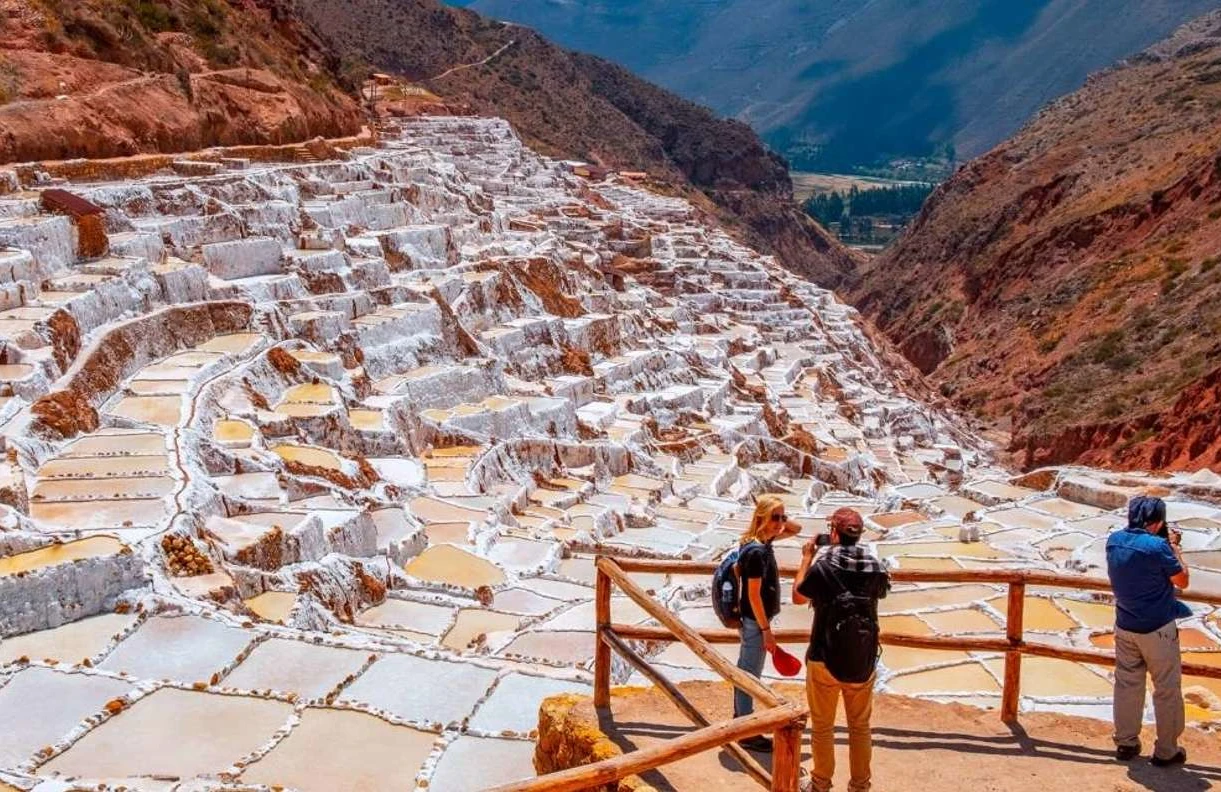
The salt produced at Maras was not only used for domestic purposes but also played a crucial role in the Incan economy. Salt was a valuable commodity, used as a form of currency and traded for other goods and resources. The production and trade of salt contributed to the economic stability. Letting the Incan Empire grow, providing a steady source of income and resources.
The economic significance of Maras extended beyond the production of salt. The site also served as a center for trade and commerce, attracting merchants and traders from across the empire. The bustling marketplace at Maras facilitated the exchange of goods and ideas. The success of Maras as an economic hub reflects the Incas’ ability to leverage their natural resources for the benefit of their empire.
Salt held cultural and spiritual significance for the Incas, symbolizing purity and preservation. It was used in religious ceremonies and rituals. In fact offered to the gods as a gesture of gratitude and reverence. The Incas believed that salt had protective properties, capable of warding off evil spirits and ensuring the well-being of their communities.
The cultural importance of salt is evident in the meticulous care and attention given to the maintenance and operation of the salt pans. The Incas saw the production of salt as a sacred duty, a responsibility to their gods and ancestors. This reverence for salt is reflected in the enduring traditions and practices associated with the salt pans of Maras.
Machu Picchu, the lost city of the Incas, is perhaps the most famous symbol of the Incan Empire. Nestled high in the Andes, this UNESCO World Heritage site attracts millions of visitors each year, drawn by its breathtaking beauty and historical significance.

The purpose of Machu Picchu remains a subject of debate among historians and archaeologists. Some believe it was a royal estate for the Incan emperor Pachacuti, while others suggest it served as a religious center or astronomical observatory. Regardless of its original purpose, Machu Picchu stands as a testament to the Incas’ architectural genius and their ability to harmonize their structures with the natural environment. The site’s location, perched on a mountain ridge, offers stunning views of the surrounding landscape, a testament to the Incas’ appreciation for the beauty and majesty of the Andes.
The mystery of Machu Picchu extends to its construction, with the precision and skill of its stonework leaving modern engineers in awe. The Incas employed a technique known as ashlar, where stones are cut to fit together without mortar, creating structures that are both durable and aesthetically pleasing. This method, combined with the site’s strategic location, has helped Machu Picchu withstand the test of time and remain a symbol of Incan ingenuity and resilience.
Machu Picchu was not only a center of political and economic activity but also held deep spiritual and religious significance for the Incas. The site is home to numerous temples and ceremonial structures, including the Temple of the Sun and the Intihuatana. An special ritual stone associated with the sun god Inti. These structures reflect the Incas’ deep connection to their deities and the natural world. The architecture designed to align with celestial events and the surrounding landscape.
The spiritual significance of Machu Picchu is evident in its orientation and layout, with structures aligned to capture the solstices and equinoxes. This alignment reflects the Incas’ understanding of astronomy and their belief in the interconnectedness of the cosmos and the earth. Machu Picchu served as a place of pilgrimage and worship. Where the Incas could connect with their gods and seek blessings for their empire.
Machu Picchu’s legacy extends beyond its historical and architectural significance, serving as a symbol of Incan culture and identity. The site’s preservation and recognition as a UNESCO World Heritage site. Ensure that its cultural and historical importance is recognized and celebrated by people around the world. Machu Picchu continues to inspire and captivate visitors, offering a glimpse into the ingenuity and resilience of the Incan Empire.
The legacy of Machu Picchu is also reflected in its influence on modern architecture and engineering. The Incas’ ability to harmonize their structures with the natural environment and create sustainable, resilient designs continues to be studied and admired by architects and engineers today. Machu Picchu serves as a reminder of the potential for human creativity and innovation, inspiring future generations to strive for harmony and balance in their own endeavors.
Despite its achievements, the Incan Empire eventually fell to Spanish conquistadors led by Francisco Pizarro in the 16th century. The combination of superior weaponry, European diseases, and internal strife contributed to the empire’s downfall. The Spanish conquest marked the end of Incan sovereignty, but the legacy of the Incas lives on through their remarkable achievements and the enduring influence of their culture.
The introduction of European diseases, such as smallpox, had a devastating impact on the Incan Empire. These diseases spread rapidly among the Incan population, who had no immunity to them, resulting in widespread illness and death. The loss of a significant portion of the population weakened the empire’s social and economic structures, making it more vulnerable to external threats.
The impact of disease was compounded by the disruption it caused to the Incan leadership. The Sapa Inca, Huayna Capac, and his designated heir both succumbed to smallpox, leading to a succession crisis and internal conflict. This instability weakened the empire’s ability to respond effectively to the Spanish invasion, contributing to its eventual downfall.
Internal strife and conflict also played a significant role in the downfall of the Incan Empire. The succession crisis following the death of Huayna Capac led to a civil war between his sons, Atahualpa and Huascar, for control of the empire. This conflict weakened the empire’s military and political structures, leaving it vulnerable to external threats.
The civil war also created divisions within the empire, with different factions supporting either Atahualpa or Huascar. These divisions were exploited by the Spanish, who used them to their advantage in their conquest of the empire. The internal strife within the Incan Empire ultimately undermined its ability to resist the Spanish invasion and contributed to its downfall.
The Spanish conquest of the Incan Empire had a profound impact on the region, leading to significant changes in its political, social, and economic structures. The Spanish imposed their own systems of governance and economy, leading to the decline of traditional Incan practices and the disruption of local communities. The conquest also resulted in the exploitation of the region’s natural resources, contributing to the wealth and power of the Spanish Empire.
Despite the destruction caused by the Spanish conquest, the legacy of the Incas continues to endure. The Incan culture and traditions have been preserved by indigenous communities, who continue to celebrate their heritage and maintain their connection to the land. The achievements of the Incas, from their architectural marvels to their agricultural innovations, continue to inspire and captivate people around the world.
The rise of the Incan Empire is a testament to the ingenuity, adaptability, and resilience of this remarkable civilization. From their architectural marvels in Cusco and Machu Picchu to their agricultural innovations in the Sacred Valley. Their achievements continue to inspire and captivate people from all walks of life. Serving as a powerful reminder of what humanity can achieve when we work in harmony with our environment.
As we explore the history and legacy of the Incan Empire, we gain a deeper understanding of the complexities and wonders of human civilization. The story of the Incas is not just a tale of conquest and empire-building, but a testament to the enduring spirit of a people who thrived in one of the world’s most challenging environments. Their legacy is a reminder of the potential for human creativity and innovation, inspiring future generations to strive for harmony and balance in their own endeavors. Through their remarkable achievements and enduring influence, the Incas continue to captivate and inspire, offering valuable insights into the power and potential of human civilization.

 Tripadvisor