


Here’s what happens when most people start researching this 4 day Machu Picchu hike. They open five tabs, read for an hour, close everything, and still aren’t sure which route to pick. The information exists but it doesn’t answer the actual question which is what is this going to feel like on day three when your knees hurt and the rain started an hour ago.
Inca Trail, Salkantay, Lares. Same destination. Beyond that the comparison mostly falls apart. Different terrain, different crowds, different reasons to choose one over the others. Fitness matters. Time matters. What you actually want from a 4 day Machu Picchu hike matters more than either of those. Some people come back saying the trek was the best part of the whole trip. Others wish they’d taken the train. That gap usually comes down to whether they picked the right route for who they actually are, not who they planned to be.
This goes through each route day by day and covers the practical side. Permits, gear, preparation, operators. Things worth knowing before money gets spent and flights get booked.
There’s a reason permit slots for the classic Inca Trail disappear months before the trek date every single year. Ancient ruins that weren’t restored for visitors, cloud forest that changes character every few hundred meters of elevation, mountain passes with views that cameras consistently fail to capture accurately. The trail earns what people say about it.
Day two will also make you question some decisions. That part is also accurate.
Day 1: Beginning the Trek – Easy Trails and Scenic Views
Car from Cusco to the trailhead first. Could be a couple hours depending on conditions. Then walking starts and day one is genuinely manageable, river crossings, open valley sections, forest, a few ruins along the path that reward stopping for. Altitude is present even when it doesn’t feel aggressive yet. Pace needs to reflect that whether or not the body is sending complaints.
Shoes broken in well before this day. Water sorted before the trailhead. These sound obvious and people still get them wrong. First day mistakes are the ones that quietly ruin day three.
Day 2: Climbing to the Highest Points – Challenging Hikes and Rest Stops
Long ascents. Air noticeably thinner by mid morning. Terrain turns rocky and exposed and stays that way for stretches that feel longer than the map suggests. Most people find a wall somewhere in this section and the ones who slowed down before reaching it consistently do better than the ones who waited for their legs to force the issue.
The high passes (warmi wañusca) look like a different planet. Rocky, wind-scoured, views in every direction that don’t match anything from the days before. Rest stops here aren’t recovery pauses. They’re the actual experience of being somewhere remarkable. Layers essential. Weather at this elevation ignores forecasts completely and without apology.
Day 3: Descending Through Valleys – Forest Paths and Mountain Views
Forested valleys after day two feels like a different world. Streams, green slopes, terraced hillsides through the trees. The trail is still uneven in sections and that matters because tired legs on uneven ground is how ankles get twisted on day three or four. Rain gear stays accessible. Downhills taken with some care, not just momentum. The temptation to rush because Machu Picchu is one day away is real. Resist it.
Day 4: Reaching Machu Picchu – Sunrise and the Citadel
Early alarm. Nobody fights it. The final stretch to the Sun Gate is lighter than anything from the previous three days and then the mist breaks and the citadel is below and the whole thing just makes sense in a way that’s hard to explain before experiencing it.
Ticket and permit ready. Water in hand. Time to actually spend in the place, not just photograph it from the entrance and leave.
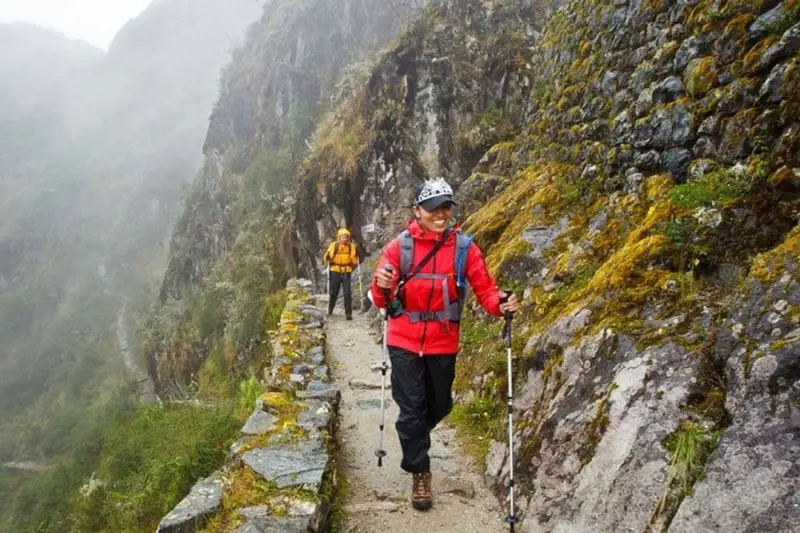
People arrive on the Salkantay Trek sometimes because Inca Trail permits were gone and leave talking about it like it was the better choice. That’s not consolation. The route genuinely covers a variety of terrain that most treks in the region don’t match. Glaciers and alpine cold at the high pass, subtropical warmth and humidity lower down, all within the same trip. Anyone planning a 4 day Machu Picchu hike and finding Inca Trail slots already gone should look at this route seriously before settling. Day two is the hardest single day of any of these three routes by most accounts. Nobody who’s done it disagrees with that.
Day 1: Starting the Trek – Gradual Paths and Scenic Surroundings
Rolling terrain, streams, natural viewpoints, altitude present but manageable. Day one on the Salkantay is measured for good reason. Body needs time to start adjusting before the route asks for more of it. Rest stops worth using properly here, especially for anyone arriving from significantly lower elevation. Morning temperatures are cold on this route and the midday gap surprises people every time. Layers from the start, not after you’ve already lost the heat.
Day 2: Crossing Mountain Passes – Challenging Trails and High Altitudes
The Salkantay Pass. Cold in a way that arrives before you expect it, rocky underfoot, air thin enough that the climb feels longer than it is. There’s a point near the top where most people go quiet and stop talking and just focus on moving. Then the summit. Glaciers right there, valleys dropping away, snow peaks in most directions. The difficulty stops being a complaint and starts being context for where you actually are.
Descent pushes into warmer territory fast. Two completely different climates in one day, which is genuinely strange to experience in real time. Climb paced carefully. Sun protection regardless of temperature. Layers for both ends of the day.
Day 3: Descending into Valleys – Forests and River Paths
Humid by day three. Green rivers running alongside the trail, forest closing in around the path in sections. Stone steps, mud patches, shade. Terrain shifts enough throughout the day to keep it from dragging. Rain gear stays close because lower valley showers don’t announce themselves and waiting to pull it out costs more than keeping it ready.
Day 4: Reaching Machu Picchu – Final Hike and Arrival
Early. Permits and tickets ready the night before, not the morning of. Walking into the citadel after a glacial pass and cloud forest and river valleys has a weight to it that’s specific to having covered that much varied ground to get there. Water in hand. Time to be present in the place rather than moving through it on a schedule.
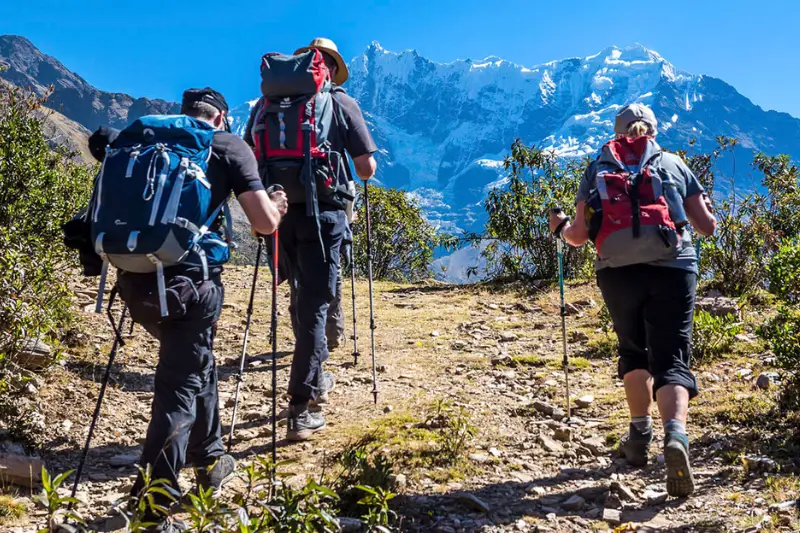
The Lares Trek gets less coverage than it deserves. Remote highland passes with no crowds, traditional Andean villages that tourists rarely reach, agricultural communities that are actively working the land you’re walking through. The scenery is genuinely striking but the communities are the real reason this route is different from the others. Daily life in the highlands that most visitors to Peru never see.
For anyone considering a 4 day Machu Picchu hike who wants something beyond scenery, this route answers that in ways the others don’t. Less crowded than either alternative, more personal in ways that are hard to replicate on busier routes. People who do the Lares often say it changed how they thought about the whole trip, not just the day they arrived at the citadel.
Day 1: Beginning the Trek – Gentle Paths and Highland Views
Farmland, river crossings, highland terrain at a pace that respects the altitude. First hour and the elevation is already present. Pushing hard on day one is a mistake that shows up on day two without fail. Cold mornings, strong midday UV, both requiring preparation at the same time. Sunscreen and down jacket simultaneously. Feels wrong until it doesn’t.
Day 2: Mountain Passes and Hot Springs – Challenging Terrain
Highest section of the Lares route. Exposed passes, consistent wind, wide panoramic views that open up across the highlands. Hard day but the scale of the landscape pulls attention outward which helps more than expected. Lares hot springs waiting at the end of the day. After that kind of terrain the reward hits harder than expected. Boots solid. Pace steady. Sun protection is consistent. Don’t skip the springs thinking you’re too tired. That’s exactly when they matter most.
Day 3: Descending to Villages – Trekking to Ollantaytambo
Descent through terraced farmland and highland communities. These villages are not preserved or staged. People live and work in them and the route passes directly through. Slowing down to notice what’s actually happening around you in this section adds something that rushing through doesn’t. Transportation picks up at a small village, then Ollantaytambo, then train to Aguas Calientes for the night. Rain gear within reach on the lower sections.
Day 4: Machu Picchu Visit – Exploring the Citadel and Return to Cusco
Into Machu Picchu early before the tour groups arrive and the place gets crowded. A guided visit makes the temples and terraces actually make sense rather than just being impressive stone structures. Context changes the experience considerably more than most people expect before they have it. Train back to Ollantaytambo, road to Cusco. Comfortable shoes, water, relatively straightforward day after everything that came before it.
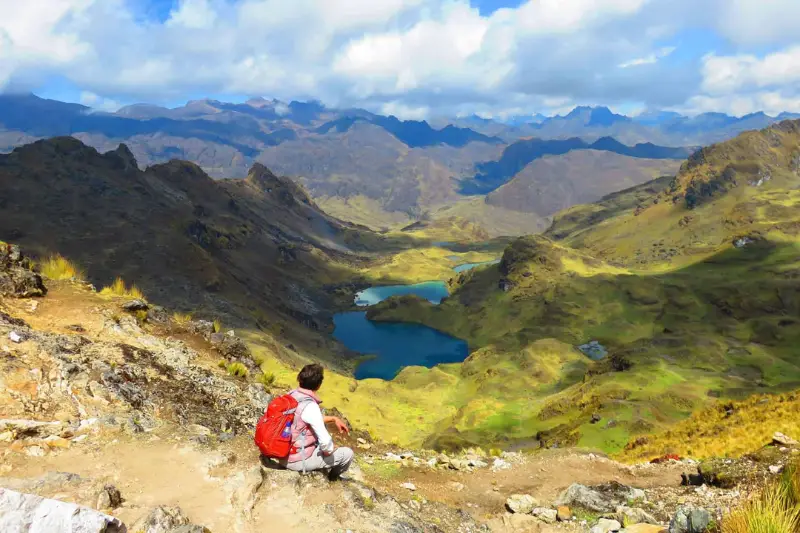
The gap between people who have a good time on these treks and people who suffer through them is almost entirely preparation decided months earlier. Altitude specifically finds weaknesses in fitness that normal daily routines never reveal. Legs and lungs operating at elevation on consecutive days of uneven terrain need actual work put in beforehand. Showing up hoping attitude makes up for fitness is a bet that loses consistently.
Weight in the pack becomes physical pain around hour six of day two. What felt manageable at the trailhead feels different by mid afternoon on the second day. Pack what’s needed. Cut what isn’t. The things people regret bringing and the things people wish they’d brought are usually obvious in hindsight.
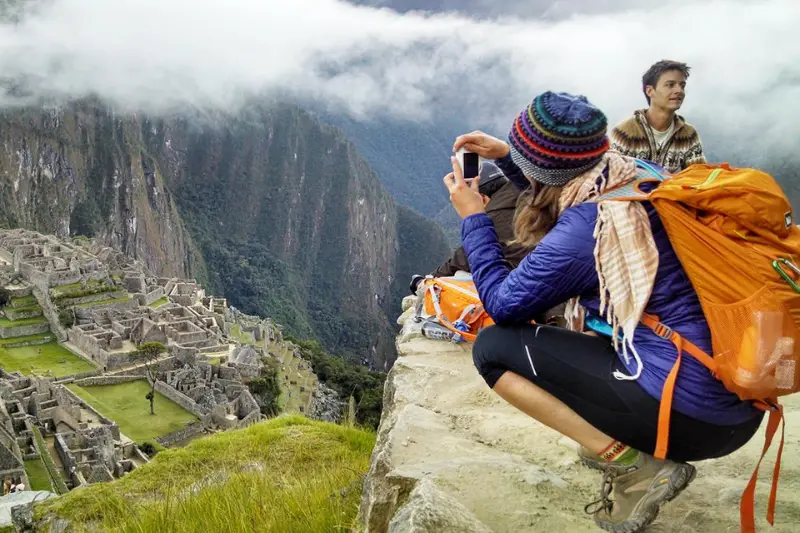
Boots. Not new ones. Not cheap ones. Ankle support on rocky descents is the literal difference between finishing day three and not finishing it. Broken in properly, weeks before the trek starts. Single heavy jackets don’t work on these routes because the temperature range across a single day is too wide for one layer to handle. Breathable base layer, warm mid layer, waterproof shell. Wool socks and gloves feel like minor additions until the cold and altitude make them feel like the most important things in the bag.
Sunny morning, hail before lunch. This is not unusual at altitude and not an exaggeration. Wind at the high passes picks up fast and without signal. UV hits harder at elevation than most people from lower altitudes have experienced before, including when it’s cold and overcast. Rain jacket, windproof layer, waterproof pack cover, sunscreen applied regardless of cloud cover. These aren’t extras on these routes. They’re basics that become obvious the first time conditions change fast.
Thirst lags behind dehydration at altitude. By the time the body signals it’s thirsty the deficit is already real. Drinking consistently throughout the day is the practical response to that. Trekking poles reduce load on the knees during descents that last hours and improve stability on loose sections that appear without warning. Worth bringing even without prior experience using them. Headlamp, first-aid basics, navigation backup. Light enough that leaving them out makes no sense.
Inca Trail permits sell out months ahead every year without exception. This is a consistent pattern not an occasional inconvenience. Leaving the permit step for later is the single most reliable way to end up locked out of the route entirely, with non-refundable flights already booked.
SERNANP controls the system. Authorized agencies only, no independent booking path exists. Companies like Luan Travel manage permits as part of a complete package including guides, porters, meals, and transportation. Multi-day trekking at altitude involves logistics that compound quickly. A reliable operator managing them removes real stress from the process and removes the risk of permit problems surfacing at the trailhead.
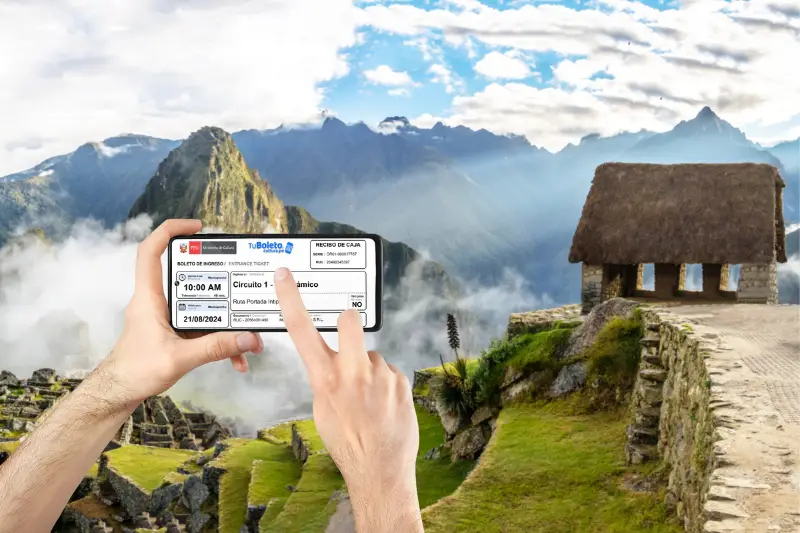
Permits handled, logistics managed, experienced guides on terrain where altitude and weather create genuine unpredictability. First-time trekkers especially benefit from that support when conditions change mid-route in ways that didn’t appear in pre-trip research. Having someone who’s done this route dozens of times makes a real difference when something unexpected happens on day two.
Salkantay and Lares are complete experiences with their own strengths. Not second choices. A 4 day Machu Picchu hike doesn’t have to mean the Inca Trail specifically, and people who stay flexible on that usually end up with a better trip than people who treat one route as the only valid option. Flexibility on dates keeps the trip achievable when permits are already gone.
Getting to Machu Picchu on foot after four days is not the same experience as arriving any other way. The effort changes how the place actually feels when it comes into view. Everything about it registers differently when the legs are genuinely tired and the view took four days of work to reach.
Protected land, living communities, real cultural weight along every one of these routes. Following guidelines, respecting the people whose home this actually is, leaving nothing behind. That’s what keeps these places what they are for the people who come after.
Most people who finish a 4 day Machu Picchu hike describe it as something that stays with them longer than most travel memories do. Not just the citadel. The four days it took to get there.

 Tripadvisor